Secrets Of Utah’s Great Gallery Rock Art
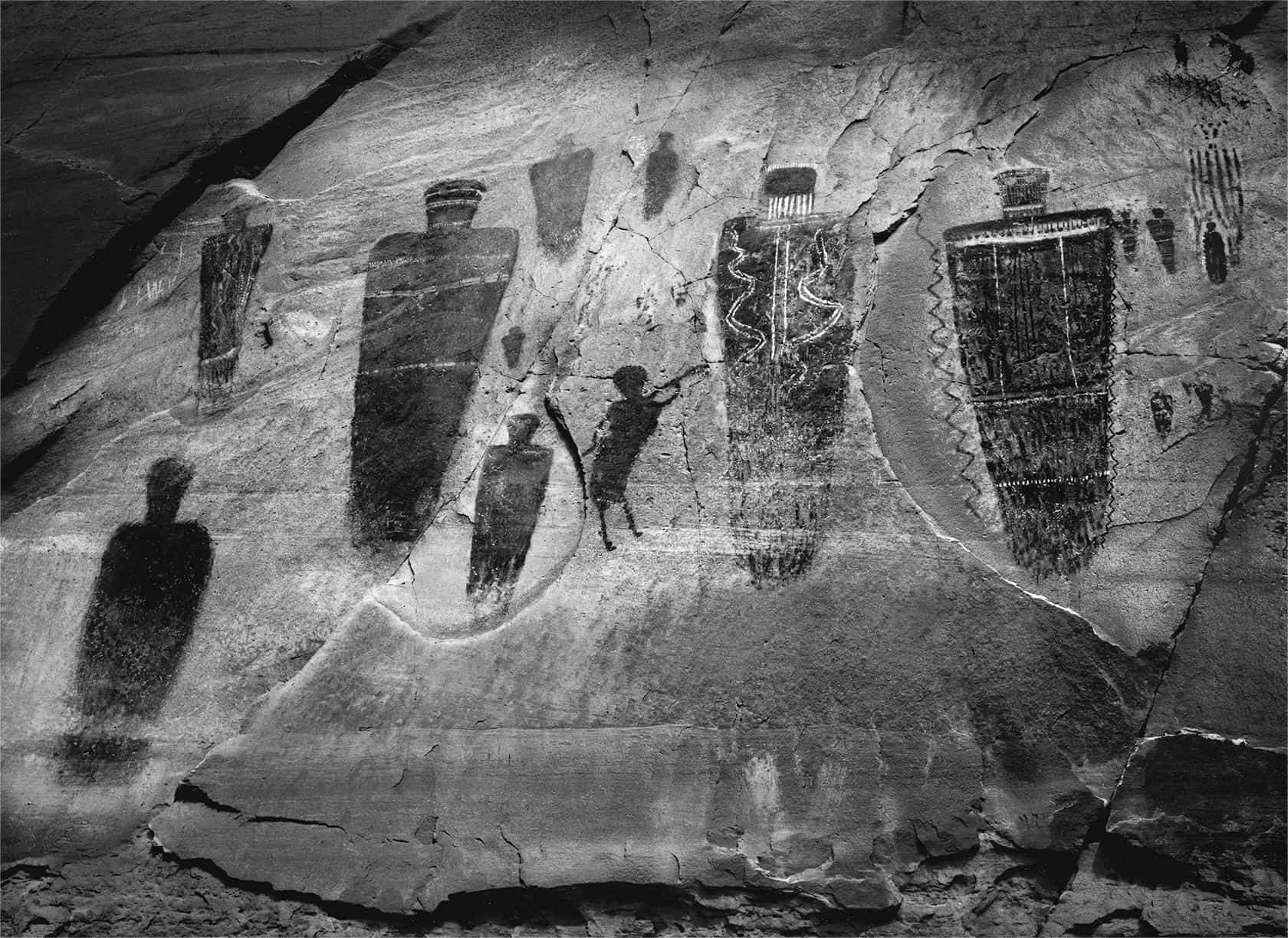
Have you ever wondered about the hidden stories etched into ancient rock walls? Utah's Great Gallery rock art offers a glimpse into the past, showcasing intricate designs and mysterious figures. Located in Horseshoe Canyon, this site features some of the most impressive and well-preserved rock art in North America. The Great Gallery's towering panels, adorned with life-sized human-like figures, animals, and abstract shapes, captivate visitors and historians alike. These ancient artworks, created by the Fremont and Barrier Canyon cultures, date back thousands of years. Visiting this site is like stepping into a time machine, where each image tells a story of a bygone era.
Secrets of Utah's Great Gallery Rock Art
Utah's Great Gallery Rock Art is a mesmerizing collection of ancient petroglyphs and pictographs. These artworks, etched and painted by Native American tribes, offer a glimpse into the past. Let's uncover some secrets of this fascinating site.
The Great Gallery's Location
Nestled in Horseshoe Canyon, the Great Gallery is a hidden gem. This remote location adds to its mystique and allure. Here are some key spots within the Great Gallery:
The Holy Ghost Panel: This panel features a tall, ghost-like figure surrounded by smaller figures. The Holy Ghost Panel is one of the most iconic images in the Great Gallery.
The Great Hunt Panel: Depicting a dynamic hunting scene, this panel shows hunters chasing bighorn sheep. The detail and movement captured in the artwork are astounding.
The Procession Panel: This panel illustrates a line of figures, possibly representing a ceremonial procession. The figures' elongated bodies and intricate designs are captivating.
The Artists Behind the Art
The creators of the Great Gallery Rock Art were skilled and imaginative. Their work reflects their culture, beliefs, and daily life. Here are some insights into the artists:
The Archaic People: These early inhabitants of the region created many of the petroglyphs and pictographs. Their art often features abstract shapes and symbols.
The Fremont Culture: Later, the Fremont people added their own touches to the Great Gallery. Their art includes more detailed human and animal figures.
The Ancestral Puebloans: This group also contributed to the rock art. Their work often depicts scenes of daily life, such as farming and hunting.
Techniques and Materials Used
Creating rock art required skill and resourcefulness. The artists used various techniques and materials to bring their visions to life. Here are some methods they employed:
Pecking: This technique involved chipping away at the rock surface to create images. Pecking was used to make petroglyphs, which are carved into the rock.
Painting: For pictographs, artists used natural pigments to paint on the rock surface. Common colors included red, yellow, and white.
Engraving: Some images were engraved into the rock using sharp tools. This method allowed for finer details and more intricate designs.
The Meaning Behind the Art
Interpreting the Great Gallery Rock Art can be challenging. The meanings of the images are often open to interpretation. Here are some possible explanations:
Spiritual Significance: Many believe the rock art had spiritual or religious significance. The Holy Ghost Panel, for example, might represent a deity or spirit.
Historical Records: Some panels may depict historical events or important moments in the artists' lives. The Great Hunt Panel could be a record of a successful hunt.
Cultural Stories: The art might tell stories or myths passed down through generations. The Procession Panel could illustrate a ceremonial event or ritual.
Preserving the Great Gallery
Preserving the Great Gallery Rock Art is crucial for future generations. Efforts are being made to protect and maintain these ancient artworks. Here are some preservation measures:
Restricted Access: Limiting access to the site helps prevent damage and vandalism. Visitors must follow guidelines to ensure the art remains intact.
Education and Awareness: Educating the public about the importance of the rock art fosters respect and appreciation. Awareness campaigns highlight the need for preservation.
Conservation Projects: Ongoing conservation projects aim to repair and stabilize the rock art. These efforts help protect the images from natural erosion and human impact.
Why You Should Visit the Great Gallery
The Great Gallery in Utah is a must-see for anyone interested in ancient art and history. The rock art here is some of the most impressive in North America, with pictographs that date back thousands of years. These ancient artworks offer a glimpse into the lives and beliefs of the people who created them.
Visiting the Great Gallery is not just about seeing the art; it's about experiencing the natural beauty of the area. The canyon surroundings add to the sense of wonder and mystery. Whether you're a history buff, an art lover, or just someone who enjoys the outdoors, the Great Gallery has something to offer.
Plan your trip, bring plenty of water, and prepare to be amazed by the ancient wonders of the Great Gallery. It's a trip you won't forget.