

Secrets Of Utah’s Desert Geoglyphs
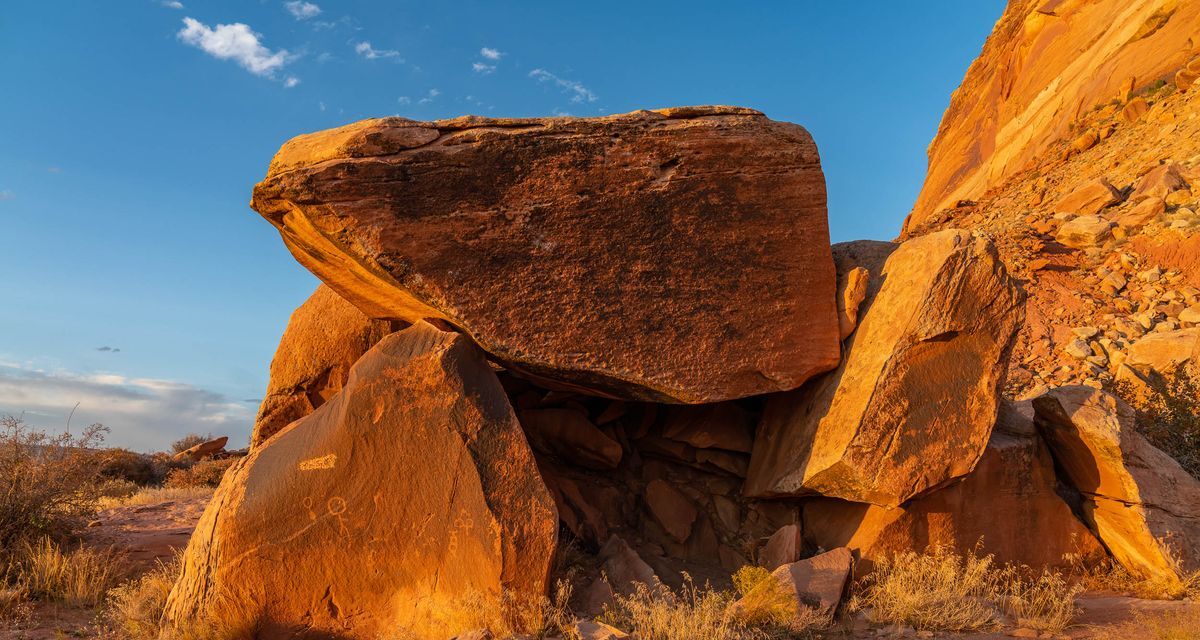
Have you ever wondered about the mysterious geoglyphs hidden in Utah's vast deserts? These massive designs, etched into the earth, have puzzled scientists and travelers alike. Some believe ancient civilizations created them for rituals or as celestial markers. Others think they might be messages to the gods or even extraterrestrial beings. Regardless of their origin, these geoglyphs offer a fascinating glimpse into the past. Imagine standing in the middle of the desert, surrounded by these enormous patterns, feeling the weight of history beneath your feet. Ready to uncover the secrets of Utah's desert geoglyphs? Let's dive into their intriguing world.
Utah's Desert Geoglyphs: A Hidden Wonder
Utah's desert landscapes hold secrets that have fascinated explorers and archaeologists for years. Among these secrets are the mysterious geoglyphs, large designs etched into the earth. These ancient artworks offer a glimpse into the past, revealing stories and cultures long forgotten.
1. The Parowan Gap Petroglyphs
Located in Iron County, the Parowan Gap Petroglyphs are a treasure trove of ancient symbols and carvings. These petroglyphs are believed to be created by the Fremont and Ancestral Puebloan people.
- Location: Iron County, Utah
- Highlights: Hundreds of petroglyphs, including spirals, animals, and human figures
- Best Time to Visit: Spring and fall for mild weather
2. The Great Gallery in Horseshoe Canyon
Horseshoe Canyon, part of Canyonlands National Park, is home to the Great Gallery. This site features some of the most well-preserved and detailed pictographs in North America.
- Location: Canyonlands National Park, Utah
- Highlights: Life-sized human figures, intricate designs, and vibrant colors
- Best Time to Visit: Late spring and early fall
3. The Moab Man
Near the town of Moab, the Moab Man stands as a testament to ancient artistry. This geoglyph is a large human figure carved into the rock, surrounded by other intriguing symbols.
- Location: Near Moab, Utah
- Highlights: Large human figure, unique rock carvings
- Best Time to Visit: Spring and fall for comfortable hiking conditions
4. The Rochester Rock Art Panel
The Rochester Rock Art Panel, located in Emery County, is a stunning display of ancient rock art. This panel features a mix of petroglyphs and pictographs, showcasing the creativity of early inhabitants.
- Location: Emery County, Utah
- Highlights: Combination of petroglyphs and pictographs, diverse symbols
- Best Time to Visit: Spring and fall
5. The Newspaper Rock State Historic Monument
Newspaper Rock, located in San Juan County, is one of the most famous rock art sites in Utah. This large rock panel is covered with hundreds of petroglyphs, some dating back over 2,000 years.
- Location: San Juan County, Utah
- Highlights: Extensive collection of petroglyphs, easy access
- Best Time to Visit: Year-round, but spring and fall offer the best weather
6. The Buckhorn Wash Pictograph Panel
In the San Rafael Swell, the Buckhorn Wash Pictograph Panel offers a glimpse into the past with its vibrant and detailed pictographs. This site is easily accessible and provides a fascinating look at ancient art.
- Location: San Rafael Swell, Utah
- Highlights: Colorful pictographs, well-preserved images
- Best Time to Visit: Spring and fall
7. The Anasazi Ridge Petroglyphs
Near St. George, the Anasazi Ridge Petroglyphs showcase the artistry of the Ancestral Puebloans. This site features numerous petroglyphs, including depictions of animals, humans, and abstract designs.
- Location: Near St. George, Utah
- Highlights: Diverse petroglyphs, scenic hiking trails
- Best Time to Visit: Spring and fall for pleasant hiking weather
8. The McConkie Ranch Petroglyphs
The McConkie Ranch Petroglyphs, located in the Dry Fork Canyon, are a must-see for rock art enthusiasts. This site features an extensive collection of petroglyphs, including detailed human and animal figures.
- Location: Dry Fork Canyon, Utah
- Highlights: Large variety of petroglyphs, well-maintained trails
- Best Time to Visit: Late spring and early fall
9. The Sego Canyon Rock Art
Sego Canyon, near Thompson Springs, is home to a remarkable collection of rock art from different cultures, including the Fremont, Ute, and Barrier Canyon people. This site offers a unique opportunity to see the evolution of rock art over time.
- Location: Near Thompson Springs, Utah
- Highlights: Multi-cultural rock art, diverse styles and symbols
- Best Time to Visit: Spring and fall
10. The Fremont Indian State Park and Museum
Fremont Indian State Park and Museum, located in Sevier County, preserves the rich history of the Fremont people. The park features numerous petroglyphs and pictographs, as well as a museum with artifacts and exhibits.
- Location: Sevier County, Utah
- Highlights: Extensive rock art, informative museum
- Best Time to Visit: Spring and fall for mild weather
Discovering Utah's Hidden Geoglyphs
Utah's desert geoglyphs offer a unique glimpse into ancient cultures. These massive earthworks, often overlooked, tell stories of past civilizations. Visiting these sites provides a deeper appreciation for the artistry and effort involved in their creation.
When planning your trip, remember to respect the sites. Preserve their integrity for future generations. Bring plenty of water, wear sturdy shoes, and prepare for the desert climate.
Exploring these geoglyphs can be a rewarding experience. It connects you to history in a tangible way. Whether you're an avid historian or just curious, Utah's geoglyphs are worth the visit.
So, pack your bags, grab a map, and set out on an adventure. Discover the secrets etched into the desert floor. You'll leave with memories and a newfound respect for the ancient world.
