

Secrets Of Texas’s Big Thicket Wildflower Seas
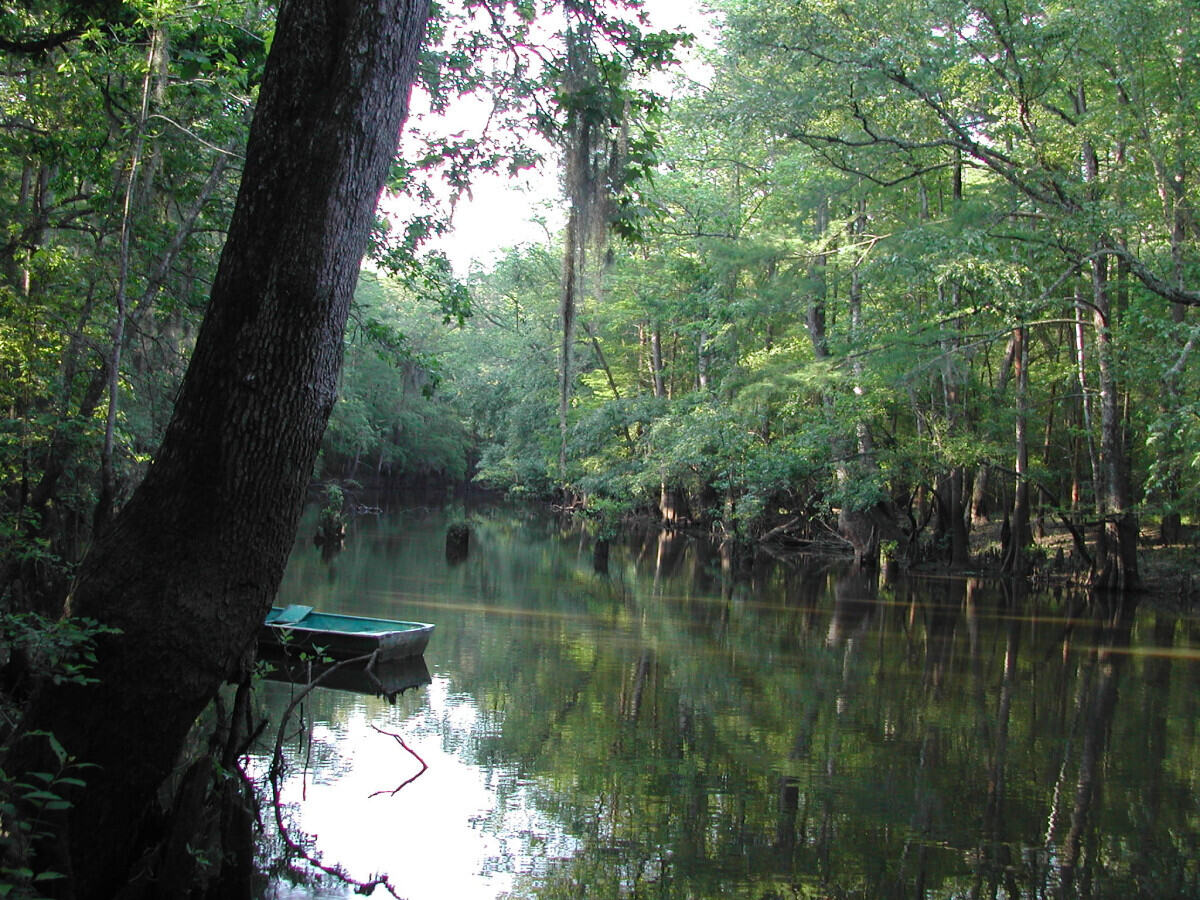
Have you ever wondered where to find a hidden gem of natural beauty in Texas? Look no further than the Big Thicket. This incredible place is home to a stunning variety of wildflowers that bloom in vibrant colors. Imagine walking through fields of bluebonnets, Indian paintbrushes, and coreopsis, all in one place. The best time to visit is spring when the flowers are in full bloom. Whether you're a nature lover, a photographer, or just someone looking for a peaceful escape, the Big Thicket offers something special. Ready to explore this floral wonderland? Let's dive into the secrets of Texas's Big Thicket wildflower seas.
Secrets of Texas's Big Thicket Wildflower Seas
Texas's Big Thicket National Preserve is a hidden gem for nature lovers. Known for its diverse ecosystems, it offers a stunning display of wildflowers that paint the landscape in vibrant colors. Whether you're a seasoned botanist or just someone who loves a good hike, these wildflower spots will leave you in awe.
Best Times to Visit
Timing is everything when it comes to seeing wildflowers in full bloom. The best months to visit are typically March through May. During this period, the weather is mild, and the flowers are at their peak.
Top Wildflower Spots in Big Thicket
Turkey Creek Trail
- This trail is a favorite among hikers for its easy terrain and beautiful scenery. In spring, you'll find fields of bluebonnets and Indian paintbrushes lining the path.
Pitcher Plant Trail
- Known for its unique carnivorous plants, this trail also boasts a variety of wildflowers. Look out for the vibrant hues of coreopsis and coneflowers.
Big Sandy Creek Unit
- This area is a hotspot for wildflower enthusiasts. You'll encounter a mix of sunflowers, black-eyed Susans, and evening primroses.
Kirby Nature Trail
- A well-maintained trail that offers a diverse range of flora. Expect to see clusters of phlox and spider lilies as you wander through.
Cooks Lake to Scatterman Paddling Trail
- For those who prefer water-based adventures, this paddling trail offers a unique perspective. The banks are often adorned with swamp lilies and pickerelweed.
Tips for Wildflower Viewing
- Bring a Camera: Capture the beauty of the wildflowers to share with friends and family.
- Stay on Trails: Protect the natural habitat by sticking to designated paths.
- Wear Comfortable Shoes: Some trails can be long, so good footwear is essential.
- Check Weather Conditions: Spring showers can make trails muddy and slippery.
Wildlife to Watch For
While you're out enjoying the wildflowers, keep an eye out for the local wildlife. The Big Thicket is home to a variety of animals, including:
White-tailed Deer
- Often seen grazing near wildflower fields, these graceful creatures add to the scenic beauty.
Eastern Box Turtle
- These slow-moving reptiles can often be spotted near water sources along the trails.
Red-shouldered Hawk
- Look up, and you might catch a glimpse of this majestic bird soaring above the treetops.
Raccoons
- These curious animals are frequently seen foraging near campsites and picnic areas.
Butterflies
- Various species of butterflies, including monarchs and swallowtails, are attracted to the wildflowers.
Conservation Efforts
The Big Thicket National Preserve is committed to preserving its natural beauty. Efforts include:
- Invasive Species Control: Removing non-native plants to allow wildflowers to thrive.
- Educational Programs: Offering guided tours and workshops to educate visitors about the importance of conservation.
- Volunteer Opportunities: Encouraging community involvement in maintaining trails and habitats.
How to Get There
The Big Thicket National Preserve is located in Southeast Texas. The nearest major city is Beaumont, which is about 30 miles away. From there, you can easily reach the preserve by car.
- By Car: Take US-69 N from Beaumont and follow the signs to the Big Thicket National Preserve.
- By Air: The closest airport is Jack Brooks Regional Airport in Beaumont. From the airport, you can rent a car to reach the preserve.
What to Bring
- Water and Snacks: Stay hydrated and energized during your hike.
- Sunscreen and Hat: Protect yourself from the sun, especially during midday.
- Binoculars: Great for birdwatching and spotting distant wildlife.
- Field Guide: A wildflower field guide can help you identify different species.
Final Thoughts
The Big Thicket National Preserve offers a unique opportunity to experience the beauty of wildflowers in their natural habitat. Whether you're hiking, paddling, or simply enjoying a picnic, the vibrant colors and diverse ecosystems make it a must-visit destination.
Embracing the Beauty of Big Thicket Wildflowers
Big Thicket's wildflower seas offer a stunning display of nature's beauty. Exploring this area reveals a diverse range of wildflowers that paint the landscape with vibrant colors. Each season brings a new wave of blooms, making every visit unique. Whether you're a seasoned botanist or just someone who loves nature, the Big Thicket has something special to offer.
Remember to bring a camera to capture the breathtaking views. Respect the environment by staying on trails and not picking the flowers. This ensures that future visitors can also enjoy the beauty.
Plan your trip during peak blooming seasons for the best experience. The Big Thicket is not just a place to see wildflowers; it's a place to connect with nature and find peace. Enjoy the journey and the incredible sights that await you.
