

Secrets Of Texas’s Big Bend Military Posts
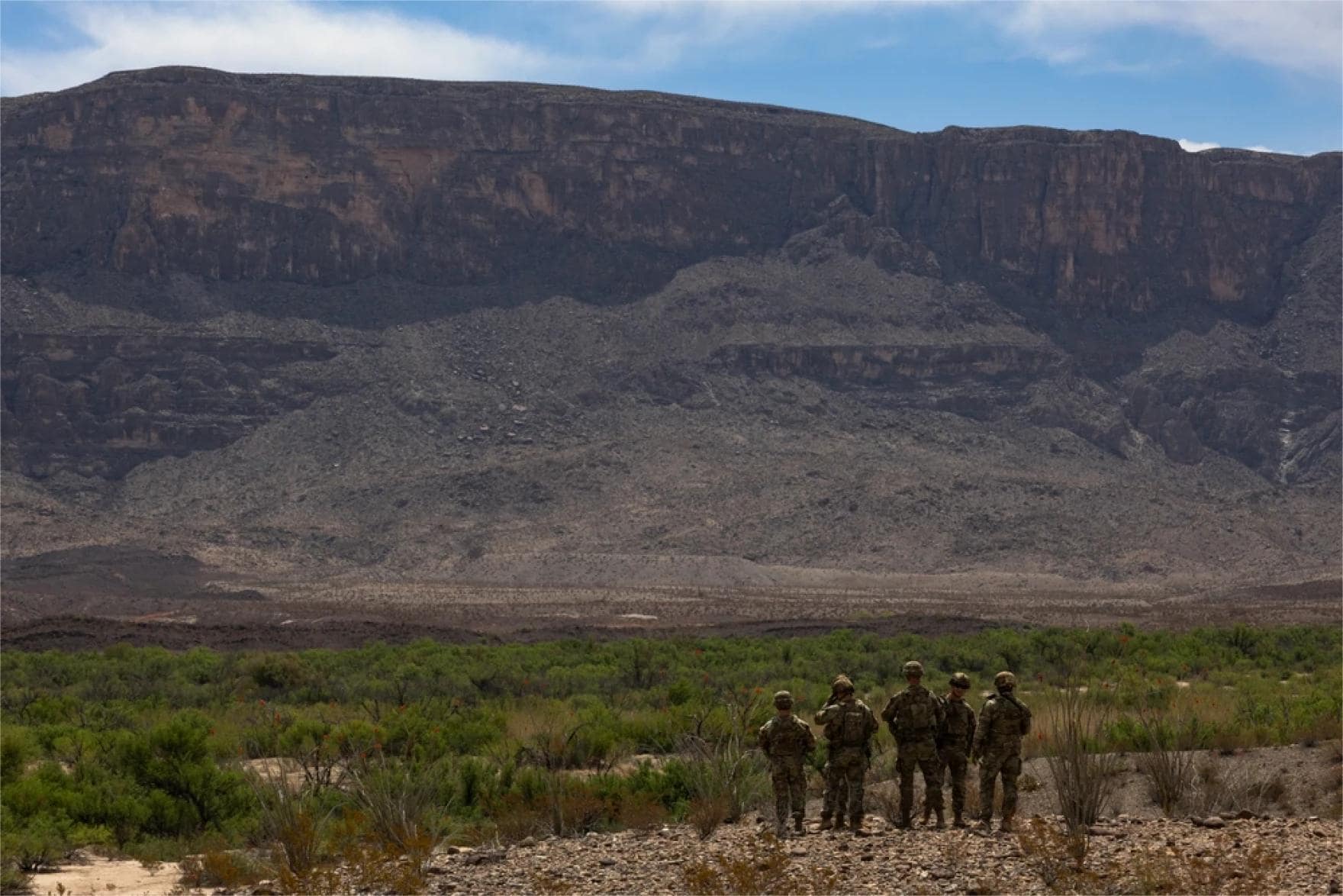
Have you ever wondered about the hidden history of Big Bend military posts in Texas? This vast region, known for its rugged beauty and diverse wildlife, also holds secrets of military significance. From the early days of frontier forts to World War II training camps, these sites played crucial roles in shaping the area's history. Imagine exploring old forts where soldiers once stood guard against bandits or discovering training grounds where troops prepared for battle. Whether you're a history buff or just curious about the past, learning about these military posts offers a unique glimpse into Texas's rich heritage.
Secrets of Texas's Big Bend Military Posts
Texas's Big Bend region, known for its rugged landscapes and rich history, hides some fascinating military posts. These sites offer glimpses into the past, showcasing the strategic importance of this area. Let's uncover the secrets of these historic locations.
Fort Davis: A Frontier Outpost
Fort Davis, established in 1854, served as a key military post protecting settlers, mail coaches, and travelers from Native American attacks. Nestled in the Davis Mountains, this fort played a crucial role in the Indian Wars.
- Fort Davis National Historic Site: This well-preserved fort offers a peek into 19th-century military life. Visitors can explore restored buildings, museum exhibits, and reenactments.
Fort Stockton: Guardian of the Pecos
Fort Stockton, founded in 1859, was strategically placed to guard the Comanche Springs, a vital water source. This fort ensured safe passage for travelers and protected the San Antonio-El Paso Road.
- Fort Stockton Historic Site: The site includes original buildings, such as the guardhouse and officers' quarters. The museum provides insights into the fort's history and its role in westward expansion.
Fort Leaton: A Trading Post Turned Fort
Fort Leaton, originally a trading post, became a fortified structure in the mid-1800s. It served as a defensive stronghold and a hub for commerce and communication.
- Fort Leaton State Historic Site: This adobe fortress offers guided tours, showcasing its unique architecture and history. The site also features exhibits on the region's cultural heritage.
Fort Bliss: A Modern Military Powerhouse
Fort Bliss, established in 1848, has evolved into one of the largest military installations in the United States. It played a significant role in various conflicts, including World War II and the Gulf War.
- Fort Bliss Museum: The museum chronicles the fort's history, displaying artifacts, vehicles, and weaponry. Interactive exhibits provide a deeper understanding of the fort's impact on military strategy.
Fort Lancaster: Protecting the Pecos River
Fort Lancaster, built in 1855, was tasked with safeguarding the Pecos River crossing. This fort ensured the safety of travelers on the San Antonio-El Paso Road, a vital trade route.
- Fort Lancaster State Historic Site: Visitors can explore the ruins of the fort, including the barracks and officers' quarters. Interpretive signs and exhibits detail the fort's history and significance.
Fort Quitman: A Desert Outpost
Fort Quitman, established in 1858, was located in the harsh desert environment of West Texas. It provided protection for travelers and mail coaches along the San Antonio-El Paso Road.
- Fort Quitman Ruins: Though only ruins remain, the site offers a glimpse into the challenges faced by soldiers stationed in this remote outpost. Interpretive signs provide historical context.
Fort Concho: A Hub of Military Activity
Fort Concho, founded in 1867, served as a major military hub during the Indian Wars. It played a pivotal role in protecting settlers and maintaining order in the region.
- Fort Concho National Historic Landmark: This well-preserved fort features restored buildings, museum exhibits, and living history programs. Visitors can learn about the fort's role in shaping the region's history.
Fort McKavett: A Scenic Stronghold
Fort McKavett, established in 1852, is known for its picturesque setting and well-preserved structures. It played a key role in the Indian Wars and served as a supply depot.
- Fort McKavett State Historic Site: The site offers guided tours, showcasing the fort's history and architecture. Visitors can explore the barracks, hospital, and other restored buildings.
Why Visit Big Bend Military Posts
Big Bend's military posts offer a unique glimpse into Texas history. These sites, like Fort Davis and Fort Leaton, tell stories of frontier life, military strategy, and cultural exchanges. Exploring these forts, you can imagine the challenges soldiers faced and the interactions between different communities.
The stunning landscapes surrounding these posts add another layer of adventure. Hiking trails, scenic drives, and wildlife viewing make the trip even more rewarding. Whether you're a history buff, nature lover, or just curious, Big Bend's military posts have something special.
Plan your visit to these historic sites. Experience the blend of history and natural beauty that makes Big Bend a must-see destination. From learning about the past to enjoying the present, there's no shortage of things to do and see. Make your trip to Big Bend unforgettable by including these military posts in your itinerary.
