

Curious Facts About Texas’s Big Thicket Pitcher Plant Bogs
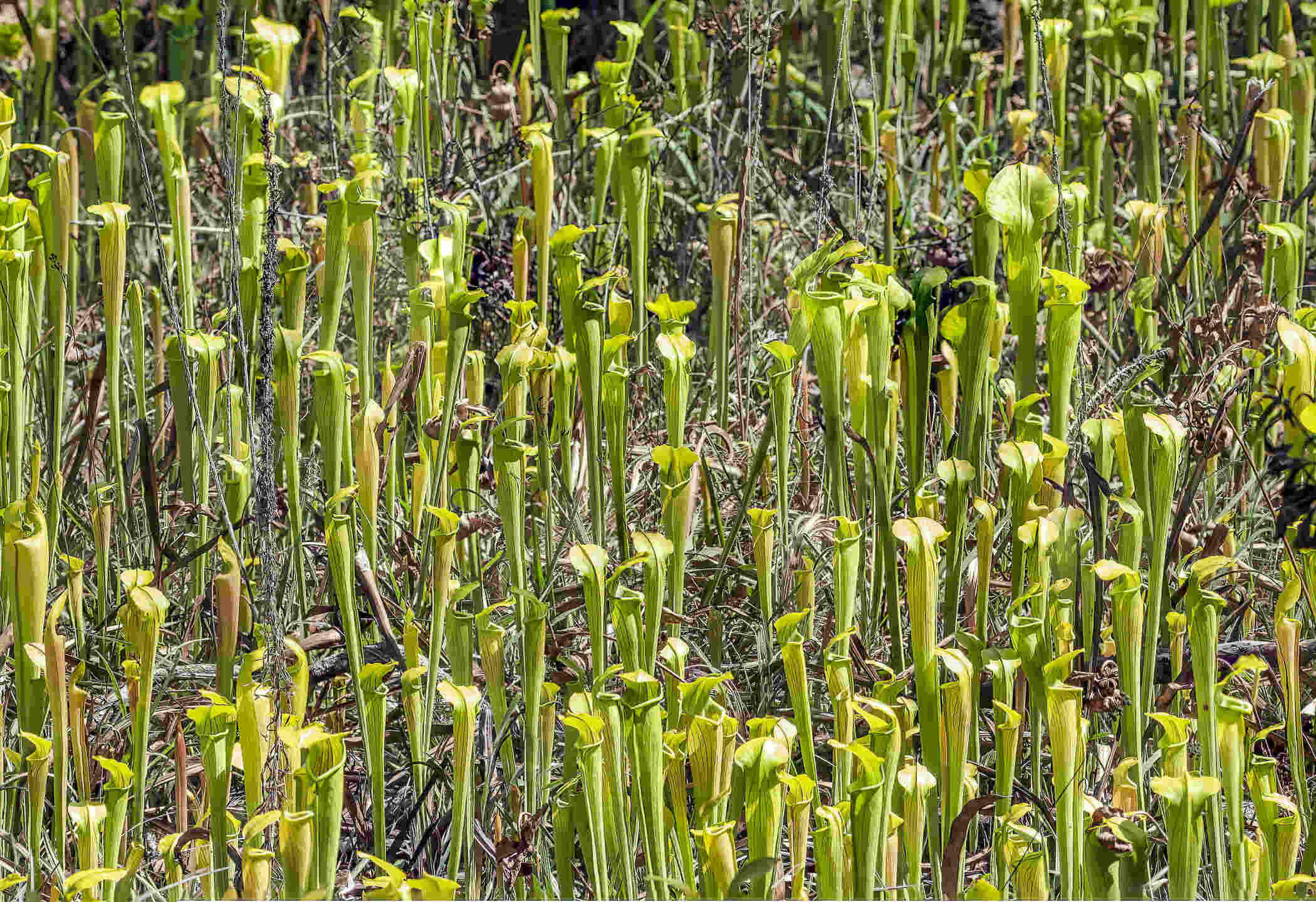
Have you ever heard of the Big Thicket Pitcher Plant Bogs in Texas? This unique area is home to some of the most fascinating plants in the world. These bogs are filled with pitcher plants, which are carnivorous and trap insects for nutrients. Imagine walking through a forest where the plants are just as interesting as the animals. The Big Thicket is not just about plants; it also has a rich variety of wildlife and ecosystems. From towering trees to tiny insects, this place is a treasure for nature lovers. Ready to learn more about this incredible spot?
What Makes Big Thicket Pitcher Plant Bogs Special?
Big Thicket National Preserve in Texas is home to some of the most unique ecosystems in the United States. One of the standout features is the pitcher plant bogs. These bogs are not only fascinating but also crucial for the environment. Let's dive into some curious facts about these incredible natural wonders.
The Unique Flora of Big Thicket
The flora in Big Thicket is unlike any other. The pitcher plants are the stars of the show, but they share the stage with other unique species.
Pitcher Plants: These carnivorous plants have evolved to trap and digest insects. Their tubular leaves fill with water and digestive enzymes, creating a deadly trap for unsuspecting bugs.
Sundews: Another carnivorous plant, sundews have sticky leaves that catch insects. The leaves then curl around the prey to digest it.
Orchids: Big Thicket is home to several rare orchid species. These beautiful flowers add a splash of color to the bogs.
The Role of Fire in the Ecosystem
Fire plays a crucial role in maintaining the health of the pitcher plant bogs. Controlled burns help manage the vegetation and promote new growth.
Controlled Burns: These are intentionally set fires that help clear out old vegetation. This process allows new plants to grow and keeps the ecosystem balanced.
Natural Fires: Lightning strikes can cause natural fires, which also help maintain the bogs. These fires are less predictable but equally important.
The Importance of Water
Water is essential for the survival of the pitcher plant bogs. The bogs are constantly wet, creating the perfect environment for these unique plants.
Rainfall: Regular rainfall keeps the bogs saturated. This water source is crucial for the plants and animals that live there.
Groundwater: The bogs also rely on groundwater. This underground water source helps maintain the moisture levels needed for the ecosystem to thrive.
Wildlife in the Pitcher Plant Bogs
The pitcher plant bogs are teeming with wildlife. From insects to birds, many creatures call this place home.
Insects: The primary prey for pitcher plants, insects are abundant in the bogs. They play a vital role in the food chain.
Birds: Various bird species visit the bogs to feed on insects. Some birds even use the bogs as nesting sites.
Amphibians: Frogs and salamanders thrive in the moist environment of the bogs. They help control the insect population and serve as food for larger predators.
Conservation Efforts
Protecting the pitcher plant bogs is essential for preserving this unique ecosystem. Various conservation efforts are in place to ensure their survival.
Protected Areas: Big Thicket National Preserve is a protected area, which helps safeguard the bogs from development and pollution.
Research: Scientists study the bogs to understand their ecology better. This research helps inform conservation strategies.
Public Awareness: Educating the public about the importance of the bogs encourages support for conservation efforts. Visitors to Big Thicket can learn about the bogs through guided tours and educational programs.
The Magic of Big Thicket Pitcher Plant Bogs
Big Thicket Pitcher Plant Bogs offer a unique glimpse into nature's wonders. These bogs, home to the fascinating pitcher plants, showcase the incredible adaptability of flora in Texas. Visiting these bogs provides an opportunity to witness the delicate balance of ecosystems, where plants have evolved to thrive in nutrient-poor soils by trapping insects. The vibrant colors and unusual shapes of the pitcher plants make them a captivating sight for nature lovers and photographers alike.
Exploring these bogs also highlights the importance of conservation efforts. Protecting such unique habitats ensures that future generations can enjoy and learn from these natural marvels. Whether you're a seasoned botanist or just someone who loves the outdoors, the Big Thicket Pitcher Plant Bogs are a must-see. They remind us of the beauty and complexity of our natural world, urging us to appreciate and protect it.
