

Curious Facts About Texas’s Big Thicket Carnivorous Plant Bogs
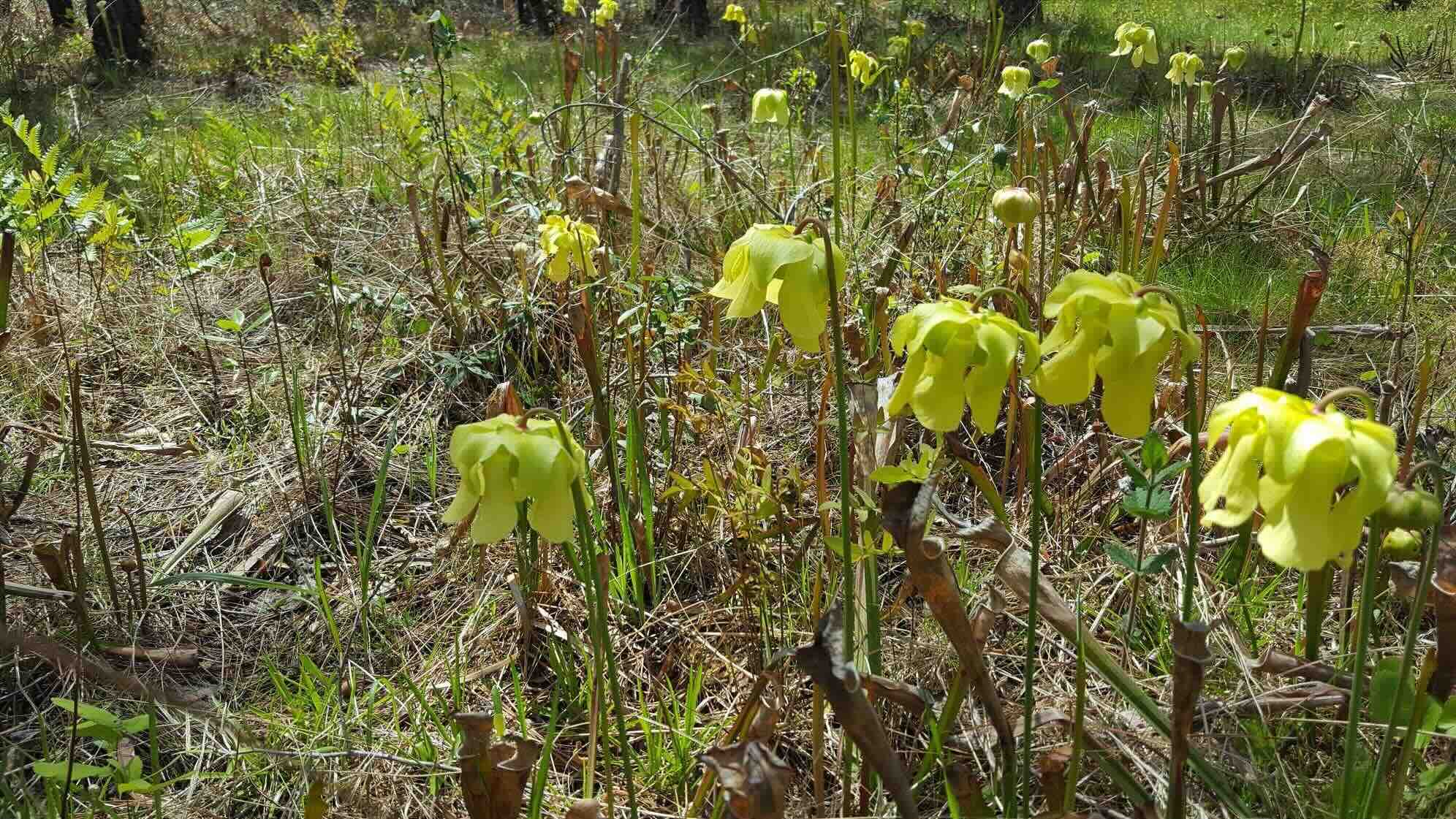
Have you ever heard of Texas's Big Thicket Carnivorous Plant Bogs? This unique area is home to some of the most fascinating plants in the world. Imagine walking through a forest where plants eat insects! These bogs are not just any wetlands; they are special places where you can find pitcher plants, sundews, and bladderworts. Each of these plants has its own way of trapping and digesting prey. The Big Thicket is a treasure for nature lovers and anyone curious about the wonders of the plant kingdom. Ready to learn more about this amazing place? Let's dive in!
Texas's Big Thicket: A Wonderland of Carnivorous Plants
The Big Thicket in Texas is a unique ecosystem, home to a variety of carnivorous plants. These fascinating plants have adapted to thrive in nutrient-poor soils by trapping and digesting insects. Let's explore some of the most intriguing carnivorous plant bogs in this remarkable region.
1. Pitcher Plant Bog
Pitcher plants are one of the most iconic carnivorous plants in the Big Thicket. Their tubular leaves form a deep cavity filled with digestive enzymes, luring insects with nectar before trapping them inside.
Pitcher Plant Trail: This trail offers a close-up view of the vibrant pitcher plants. The trail is well-marked and easy to navigate, making it perfect for families and nature enthusiasts.
Turkey Creek Unit: Known for its diverse plant life, this area features a significant population of pitcher plants. It's a great spot for photography and bird watching.
2. Sundew Wonderland
Sundews are small but mighty. These plants have sticky, glandular hairs on their leaves that trap unsuspecting insects. Once caught, the sundew slowly digests its prey.
Sundew Trail: This trail is a hidden gem, showcasing the delicate beauty of sundews. It's a short, easy hike that offers a peaceful escape into nature.
Beaver Slide Trail: This trail winds through a variety of habitats, including areas rich with sundews. It's a bit more challenging but rewards hikers with stunning views and diverse plant life.
3. Bladderwort Bonanza
Bladderworts are aquatic carnivorous plants that use tiny bladder-like traps to capture small aquatic organisms. They are fascinating to observe in their natural habitat.
Big Sandy Creek Unit: This area is perfect for spotting bladderworts in the wild. The creek's slow-moving waters provide an ideal environment for these unique plants.
Menard Creek Corridor: A lesser-known spot, this corridor offers a serene setting for observing bladderworts. It's a peaceful place for a quiet walk or a relaxing paddle.
4. Butterwort Bliss
Butterworts have sticky leaves that trap insects, which are then digested by the plant. They are often found in moist, shady areas and add a touch of color to the landscape.
Hickory Creek Savannah: This savannah is home to a variety of carnivorous plants, including butterworts. It's a great spot for a leisurely hike and plant spotting.
Lance Rosier Unit: Known for its rich biodiversity, this unit features numerous butterworts. It's a must-visit for anyone interested in botany or ecology.
5. Flytrap Fantasy
While not native to Texas, Venus flytraps can sometimes be found in the Big Thicket, likely introduced by enthusiasts. These iconic plants snap shut on their prey, making them a favorite among carnivorous plant lovers.
Big Thicket National Preserve Visitor Center: Occasionally, the visitor center hosts exhibits featuring Venus flytraps. It's a great place to learn more about these fascinating plants and their care.
Local Nurseries and Gardens: Some local nurseries and botanical gardens in the area may have Venus flytraps on display. It's worth checking out for a closer look at these captivating plants.
The Magic of Big Thicket Carnivorous Plant Bogs
Big Thicket's carnivorous plant bogs offer a unique glimpse into nature's wonders. These bogs, home to pitcher plants, sundews, and bladderworts, showcase the incredible adaptability of plants. Visiting these bogs provides an unforgettable experience, blending education with adventure. The diverse ecosystem supports not just plants but also a variety of wildlife, making it a must-see for nature enthusiasts.
Exploring these bogs helps us appreciate the delicate balance of ecosystems. Conservation efforts are crucial to protect these unique habitats from threats like climate change and human activity. By understanding and supporting these efforts, we can ensure that future generations will also get to marvel at the Big Thicket's carnivorous plants.
So, next time you're in Texas, take a trip to the Big Thicket. Witness the magic of these fascinating bogs firsthand.
