

Secrets Of Tennessee’s Dunbar Cave Archaeological Sites
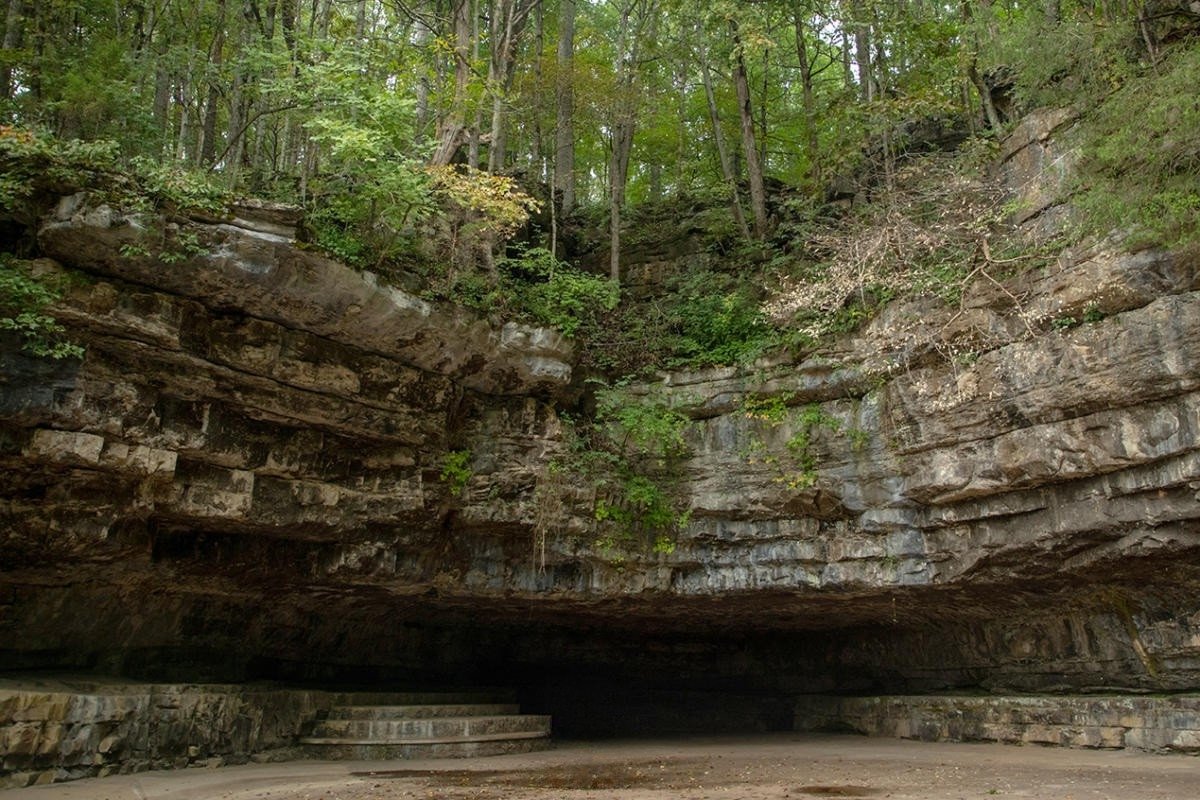
Have you ever wondered about the hidden stories of Tennessee's past? Dunbar Cave is not just a natural wonder but also a treasure trove of archaeological secrets. This cave, located in Clarksville, has been a significant site for thousands of years. Native Americans used it for ceremonies, leaving behind fascinating artifacts and cave art. Today, visitors can explore these ancient markings and imagine what life was like centuries ago. Whether you're a history buff or just curious, Dunbar Cave offers a unique glimpse into the region's rich cultural heritage. Ready to step back in time? Let's dive into the secrets of Dunbar Cave.
Discovering the Mysteries of Dunbar Cave
Dunbar Cave in Tennessee is a treasure trove of history and natural beauty. This ancient site has captivated explorers, historians, and nature lovers alike. Let's dive into some of the most fascinating archaeological sites within Dunbar Cave.
1. The Entrance to the Past
The entrance of Dunbar Cave is not just a gateway to a natural wonder but also a portal to the past. Here, visitors can see evidence of human activity dating back thousands of years.
- Petroglyphs: Ancient carvings on the cave walls tell stories of the people who once lived here. These petroglyphs are a window into the beliefs and daily lives of early inhabitants.
- Midden Deposits: Layers of discarded shells, bones, and pottery shards provide clues about the diet and lifestyle of the cave's ancient residents.
- Rock Shelters: Natural overhangs near the entrance were used as temporary shelters by prehistoric people, offering protection from the elements.
2. The Hidden Chambers
Venturing deeper into Dunbar Cave reveals hidden chambers that hold even more secrets. These areas are less accessible but offer a glimpse into the cave's rich history.
- Ceremonial Chambers: Some chambers were likely used for rituals and ceremonies. Artifacts such as pottery and tools found here suggest these spaces held significant cultural importance.
- Burial Sites: Evidence of ancient burials has been discovered in some of the deeper chambers, indicating the cave's role in funerary practices.
- Pictographs: Unlike petroglyphs, pictographs are paintings on the cave walls. These colorful images depict animals, humans, and abstract symbols, adding another layer to the cave's story.
3. The Natural Wonders
Dunbar Cave is not just an archaeological site; it's also a natural wonder. The cave's unique geological features have fascinated scientists and visitors alike.
- Stalactites and Stalagmites: These stunning formations are created by the slow dripping of mineral-rich water over thousands of years. They add a magical quality to the cave's interior.
- Underground Streams: Flowing water has carved intricate patterns into the cave's limestone walls, creating beautiful and mysterious underground streams.
- Bat Colonies: The cave is home to several species of bats, which play a crucial role in the local ecosystem. Observing these nocturnal creatures is a highlight for many visitors.
4. The Modern Era
Dunbar Cave's history doesn't end with ancient times. The cave has played a significant role in more recent history as well.
- Prohibition-Era Speakeasy: During the 1920s, the cave was used as a speakeasy, providing a hidden venue for music and dancing during Prohibition.
- Music Venue: In the mid-20th century, the cave hosted concerts and events, attracting famous musicians and large crowds.
- State Park: Today, Dunbar Cave is part of a state park, offering hiking trails, guided tours, and educational programs for visitors of all ages.
5. The Ongoing Research
Archaeologists and scientists continue to study Dunbar Cave, uncovering new information and preserving its history for future generations.
- Excavations: Ongoing excavations have revealed new artifacts and features, adding to our understanding of the cave's past.
- Conservation Efforts: Efforts to preserve the cave's delicate environment ensure that it remains a valuable resource for research and education.
- Public Engagement: Educational programs and tours help raise awareness about the cave's significance and encourage public involvement in its preservation.
Discovering Dunbar Cave's Hidden History
Dunbar Cave offers a unique glimpse into Tennessee's past. Its archaeological sites reveal secrets about ancient cultures, their rituals, and daily lives. Exploring these caves, you can see ancient art, tools, and other artifacts that tell stories of people who lived thousands of years ago. This place isn't just a natural wonder; it's a historical treasure. Visiting Dunbar Cave, you connect with history in a way that's both educational and exciting. Whether you're a history buff or just curious, the cave's rich past makes it a must-see. So next time you're in Tennessee, take a trip to Dunbar Cave. You'll leave with a deeper appreciation for the area's history and the people who once called it home.
