

Secrets Of Tennessee’s Ancient Mounds
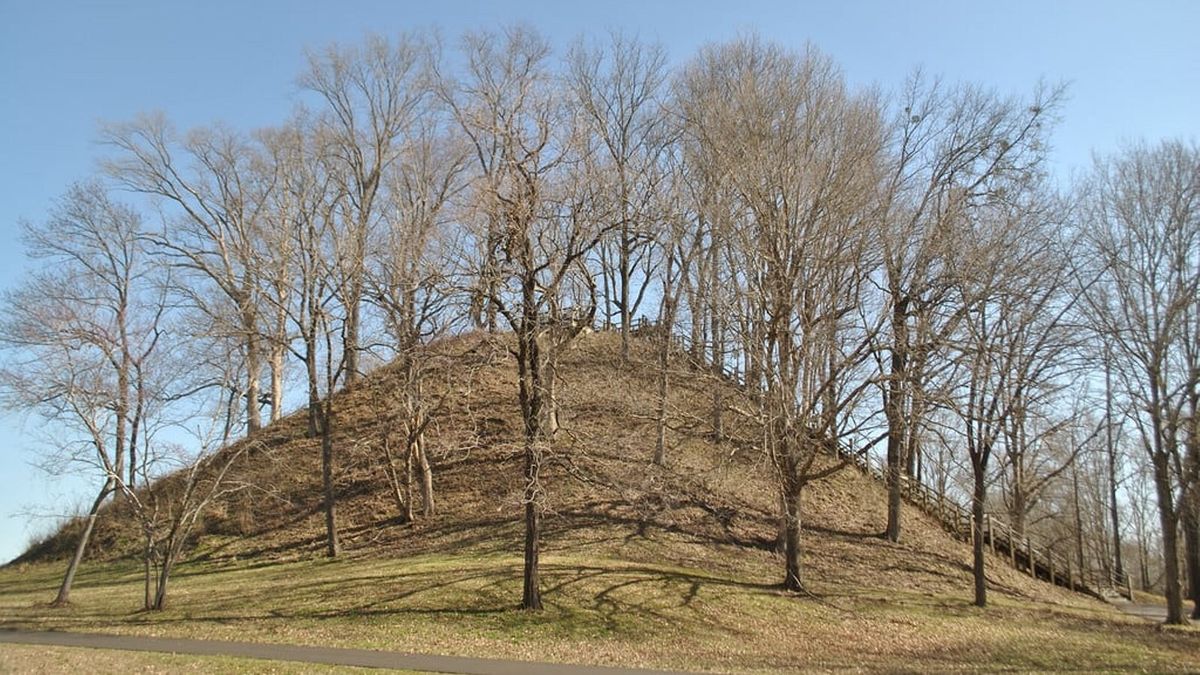
Have you ever wondered about the ancient history hidden in Tennessee? The ancient mounds scattered across the state hold secrets from civilizations long gone. These mounds, built by Native American cultures, offer a glimpse into the past. Imagine standing where people once gathered for ceremonies, traded goods, and lived their daily lives. From the impressive Pinson Mounds to the mysterious Old Stone Fort, each site tells a unique story. Whether you're a history buff or just curious, exploring these ancient mounds can be a fascinating adventure. Ready to uncover the mysteries of Tennessee's ancient mounds? Let's dive in!
Discovering Tennessee's Ancient Mounds
Tennessee is home to some of the most fascinating ancient mounds in the United States. These mounds, built by Native American cultures, offer a glimpse into the past. Let's explore some of the most intriguing sites.
1. Pinson Mounds
Pinson Mounds, located in Madison County, is one of the largest mound complexes in the Southeast. This archaeological site features at least 17 mounds, including the impressive Saul's Mound, which stands 72 feet tall. Visitors can walk the trails, visit the museum, and learn about the Woodland period culture that built these structures.
2. Old Stone Fort
Old Stone Fort, in Coffee County, is a prehistoric Native American site that dates back to around 1,500-2,000 years ago. This site is unique because it was used as a ceremonial gathering place rather than a fort. The mounds and walls form an enclosure that overlooks the confluence of the Duck and Little Duck Rivers. The park offers hiking trails and interpretive signs to help visitors understand its history.
3. Shiloh Indian Mounds
Located within the Shiloh National Military Park, the Shiloh Indian Mounds date back to the Mississippian period. These mounds were part of a large village that existed from around 1000 to 1450 AD. The site includes several platform mounds, residential areas, and a central plaza. Interpretive trails and signs provide insight into the lives of the people who built these mounds.
4. Mound Bottom
Mound Bottom, situated in Cheatham County, is a significant Mississippian period site. This complex includes a large platform mound and several smaller mounds, all located along the Harpeth River. The site was a major political and ceremonial center. Guided tours are available, offering a deeper understanding of its historical importance.
5. Sellars Farm State Archaeological Area
Sellars Farm, in Wilson County, is another important Mississippian site. This area features a large platform mound and several smaller mounds. Artifacts found here suggest it was a thriving community with extensive trade networks. Visitors can explore the site and see the remnants of this ancient culture.
6. Chucalissa Indian Village
Chucalissa Indian Village, located in Memphis, offers a reconstructed Mississippian village and mound complex. The site includes a museum with exhibits on the Native American cultures of the region. Visitors can walk through the village, see the mounds, and participate in educational programs.
7. Toqua
Toqua, in Monroe County, was once a major town of the Mississippian culture. The site includes several mounds and was an important political and ceremonial center. Although much of the site is now submerged under Tellico Lake, some mounds are still visible. Interpretive signs provide information about the site's history and significance.
8. Castalian Springs
Castalian Springs, in Sumner County, is a significant Mississippian site with several mounds and a large plaza. Excavations have revealed a wealth of artifacts, including pottery, tools, and ornaments. The site offers a glimpse into the daily lives and rituals of its ancient inhabitants. Visitors can explore the area and learn about its archaeological findings.
9. Moundville Archaeological Park
Moundville, located just across the border in Alabama, is one of the most well-preserved Mississippian sites in the Southeast. The park features 29 mounds, a museum, and a nature trail. Although not in Tennessee, it is close enough to be a worthwhile addition to any mound exploration trip. The site provides a comprehensive look at the Mississippian culture and its achievements.
10. Eva Site
The Eva Site, in Benton County, is an Archaic period site that predates many of the other mounds in Tennessee. Excavations have uncovered evidence of early human habitation, including tools, pottery, and burial sites. The site offers a unique perspective on the early inhabitants of the region. Visitors can learn about the Archaic period and its significance in Tennessee's history.
Discover Tennessee's Ancient Mounds
Tennessee's ancient mounds offer a glimpse into the past. These sites, like the Pinson Mounds and Old Stone Fort, showcase the ingenuity of early Native American cultures. Visiting these mounds provides a unique opportunity to connect with history, learn about ancient engineering, and appreciate the cultural significance of these structures.
Exploring these mounds isn't just about seeing historical sites. It's about understanding the stories and traditions of the people who built them. Whether you're a history buff or just curious, these mounds offer something for everyone.
Plan a trip to Tennessee's ancient mounds. You'll gain a deeper appreciation for the region's rich history and the people who shaped it. Don't miss out on this chance to step back in time and experience the wonders of these ancient structures.
