

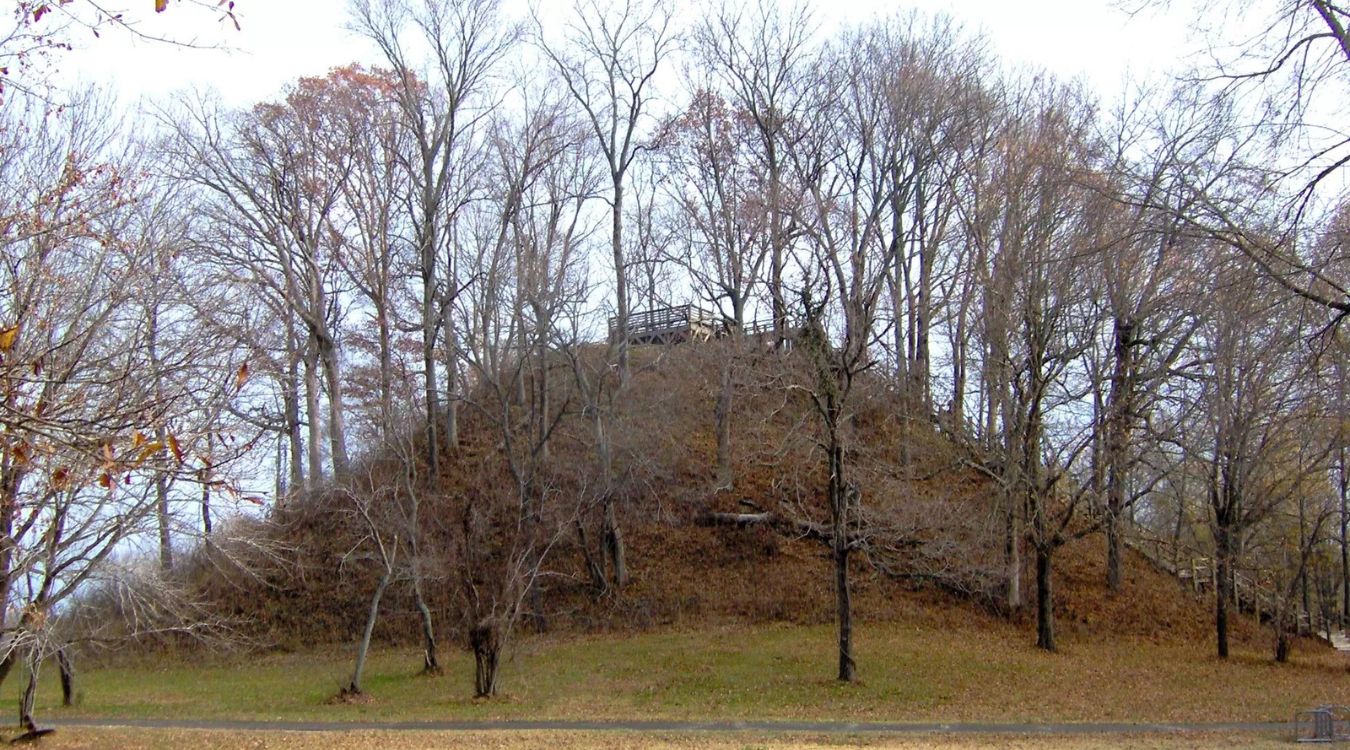
Pinson Mounds’ most closely guarded secret isn’t a single tool type—it’s that the entire site was a ritual center, not a domestic village, and the park’s own summary says there is no clear evidence of domestic occupation from the Middle Woodland Period. The tools documented here—chert implements, bladelets, projectile point fragments, bifaces, scrapers, cores, debitage, siltstone digging implements, microlithic blades, and carved sandstone tablet fragments—were tied to ceremony rather than everyday settlement or farming.
Discovering the Ancient Pinson Mounds
Tennessee's Pinson Mounds State Archaeological Park, located in Madison County, offers a glimpse into the lives of Native Americans who lived there over 2,000 years ago. The tools they left behind tell stories about their ceremonial lives, skills, and culture.
The Importance of Pinson Mounds Tools
The tools found at Pinson Mounds are windows into the past. These items reveal how ancient people hunted and engaged in ceremonial activities at this ritual center.
- Chert Implements Chert implements, including bladelets, projectile point fragments, bifaces, scrapers, and cores, were crafted from durable stone. They were used for cutting, scraping, and other tasks tied to ritual practices.
- Projectile Points Projectile points, often called arrowheads, were made from flint or chert. These sharp tools were attached to spears or arrows and demonstrate the hunting techniques of the Pinson Mounds inhabitants.
- Siltstone Digging Implements Siltstone digging implements have been found at the site. Wear patterns indicate their use in ceremonial or construction activities rather than daily food preparation.
- Microlithic Blades Microlithic blades are among the documented finds at Pinson Mounds. These small, sharp blades were crafted from various materials available to the ancient people.
- Carved Sandstone Tablet Fragments Carved sandstone tablet fragments found at Pinson Mounds provide insight into the artistic and ceremonial aspects of the culture. These fragments reveal intricate designs and patterns. Other documented artifacts include galena, ceramics, mica, and copper in ritual contexts.
The Significance of Tool-Making Techniques
Understanding how these tools were made offers deeper insight into the culture. The techniques were passed down through generations, showcasing the importance of tradition and skill.
- Flint Knapping Flint knapping is the process of shaping stones into tools. This technique required precision and patience. The resulting tools were sharp and effective, essential for hunting and ceremonial tasks.
- Pottery Making Pottery making involved shaping clay into vessels and firing them. This process required knowledge of materials and temperatures. The pottery pieces found at Pinson Mounds are a testament to the advanced skills of the ancient people.
- Various Crafts Evidence of various crafts has also been found at the site. Tools indicate the people engaged in specialized activities vital for creating ritual objects and other items central to their culture.
The Legacy of Pinson Mounds Tools
The tools of Pinson Mounds are a legacy of a rich and complex culture. They remind us of the ingenuity and resilience of the people who lived there long ago. By studying these tools, we gain a deeper appreciation for the history and heritage of Tennessee.
The Legacy of Pinson Mounds Tools
Pinson Mounds tools offer a glimpse into the ceremonial lives of ancient Native American cultures. These artifacts reveal the ingenuity and resourcefulness of the people who crafted them. From chert implements to carved sandstone tablets, each tool tells a story of ritual, community, and innovation. Visiting Pinson Mounds State Archaeological Park allows you to see these tools up close. The park's museum provides detailed exhibits that explain how these tools were made and used. Exploring the mounds themselves gives a deeper understanding of the people who once gathered there. Whether you're a history buff or just curious, Pinson Mounds offers a unique window into the past. Next time you're in Tennessee, stop by and discover the secrets these ancient tools hold.
Related travel guides: Hidden Cherokee Villages In Tennessee, Mining Secrets Hidden In California, and Marana Travel Guide.
