

Secrets Of South Dakota’s Wind Cave Climate Lab
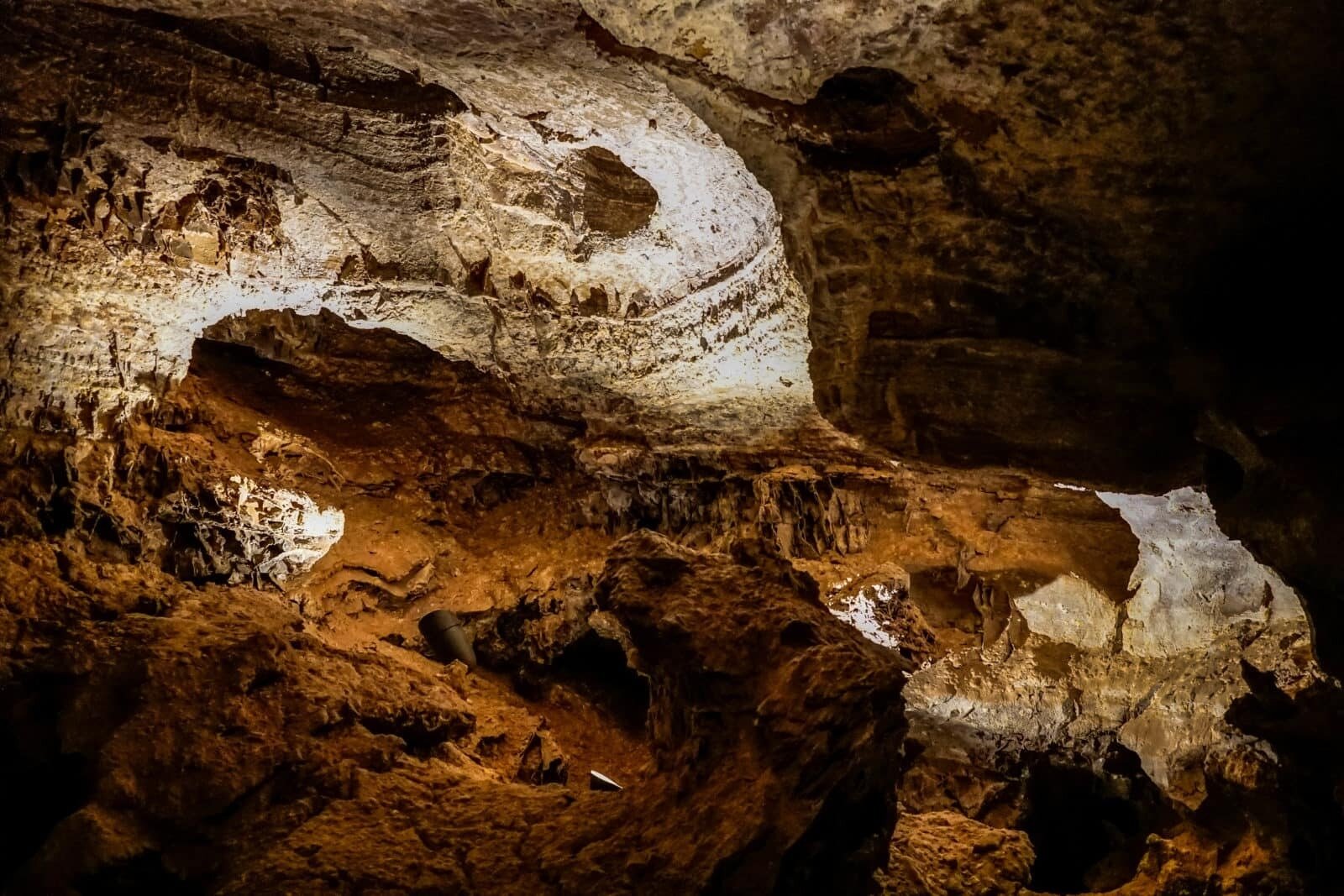
Ever wondered what makes Wind Cave in South Dakota so unique? This hidden gem isn't just another cave; it's a natural wonder with a climate all its own. Unlike many caves, Wind Cave has a constant temperature year-round, making it a fascinating spot for scientists and tourists alike. The cave's climate is influenced by its intricate system of passages and the way air flows through them. This creates a stable environment that supports a variety of unique formations and wildlife. Whether you're a budding scientist or just love exploring, Wind Cave offers a glimpse into a world where nature's secrets are waiting to be uncovered.
Secrets of South Dakota's Wind Cave Climate Lab
South Dakota's Wind Cave National Park is more than just a stunning natural wonder. Beneath its surface lies a hidden gem: the Wind Cave Climate Lab. This underground marvel offers a unique glimpse into the intricate world of cave climates. Let's uncover the secrets of this fascinating place.
The Unique Climate of Wind Cave
Wind Cave's climate is unlike any other. Its stable temperatures and high humidity create a unique environment that supports a variety of life forms. Here are some key aspects of Wind Cave's climate:
Consistent Temperature: Wind Cave maintains a steady temperature of around 54°F (12°C) year-round. This stability is due to the cave's depth and the insulating properties of the surrounding rock.
High Humidity: The cave's humidity levels hover around 95%, creating a damp environment that supports unique cave formations and ecosystems.
Airflow Patterns: Wind Cave's name comes from the strong airflow at its entrance. This airflow is caused by differences in air pressure between the cave and the outside world, creating a natural ventilation system.
The Role of the Climate Lab
The Wind Cave Climate Lab plays a crucial role in understanding and preserving this unique environment. Researchers use the lab to study various aspects of the cave's climate and its impact on the cave's ecosystem. Some of the lab's key functions include:
Monitoring Air Quality: The lab continuously monitors the cave's air quality, measuring levels of carbon dioxide, radon, and other gases. This data helps researchers understand how these gases affect the cave's environment and its inhabitants.
Studying Cave Formations: The lab's researchers study the cave's unique formations, such as boxwork and frostwork, to learn how they form and how they are affected by the cave's climate.
Investigating Microbial Life: The high humidity and stable temperatures of Wind Cave create an ideal environment for microbial life. Researchers study these microorganisms to understand their role in the cave's ecosystem and their potential applications in medicine and biotechnology.
The Impact of Human Activity
Human activity can have a significant impact on Wind Cave's delicate climate. The Climate Lab helps researchers understand these impacts and develop strategies to mitigate them. Some of the key areas of focus include:
Visitor Management: The lab studies the impact of visitors on the cave's climate and ecosystem. This research helps park managers develop strategies to minimize human impact while still allowing people to enjoy the cave.
Pollution Control: Researchers monitor levels of pollutants, such as carbon dioxide and particulate matter, to understand their impact on the cave's environment. This data is used to develop strategies to reduce pollution and protect the cave.
Climate Change: The lab studies the potential impacts of climate change on Wind Cave's environment. This research helps scientists understand how changes in temperature and precipitation could affect the cave's climate and its unique formations.
The Future of Wind Cave Climate Research
The Wind Cave Climate Lab is at the forefront of cave climate research. Its work helps protect this unique environment and provides valuable insights into the complex world of cave climates. Some of the lab's future goals include:
Expanding Research: The lab plans to expand its research to include more aspects of the cave's climate and ecosystem. This will help researchers gain a deeper understanding of Wind Cave and its unique environment.
Developing New Technologies: The lab is working on developing new technologies to monitor and study the cave's climate. These innovations will help researchers gather more accurate data and gain new insights into the cave's environment.
Collaborating with Other Researchers: The lab collaborates with researchers from around the world to share knowledge and develop new strategies for studying and protecting cave climates. This collaboration helps advance the field of cave climate research and ensures that Wind Cave remains a valuable resource for future generations.
Why Wind Cave Climate Lab Matters
Wind Cave Climate Lab offers more than just a glimpse into South Dakota's natural beauty. It plays a crucial role in studying climate change and its effects on our environment. The research conducted here helps scientists understand how ecosystems respond to changing conditions, providing valuable data for future conservation efforts.
Visitors to Wind Cave can witness firsthand the importance of preserving these natural wonders. The lab's work ensures that future generations will continue to enjoy and learn from this unique environment. By supporting the Wind Cave Climate Lab, you're contributing to a broader understanding of our planet's health.
Next time you're in South Dakota, consider a visit to Wind Cave. It's not just an adventure; it's an opportunity to be part of something bigger. Your visit helps sustain vital research that benefits us all.
