

Secrets Of Prairie Dog Burrow Ventilation In South Dakota’s Badlands
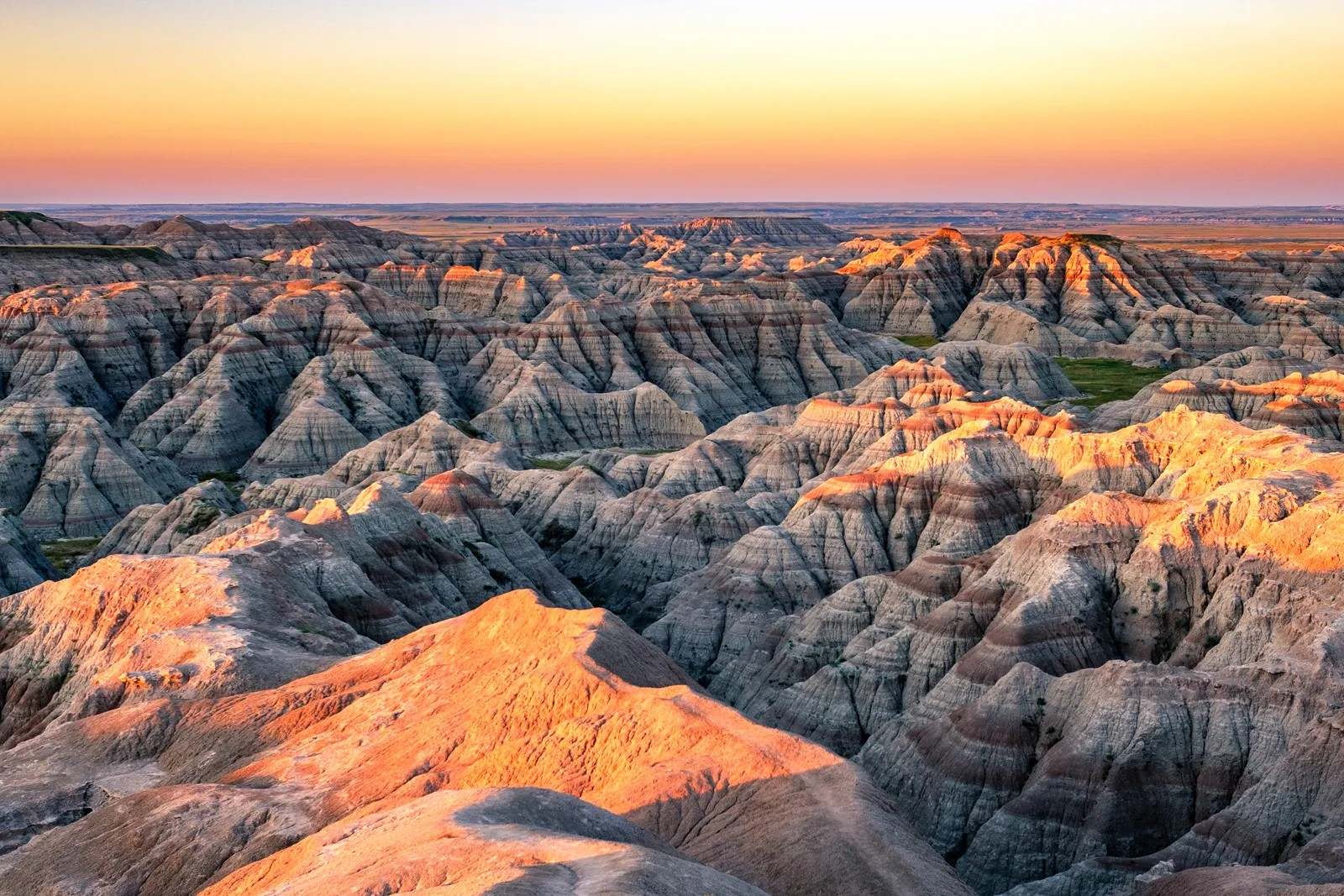
Have you ever wondered how prairie dogs stay cool and breathe easily in their underground homes? In South Dakota's Badlands, these clever critters have developed an amazing system for burrow ventilation. Their tunnels aren't just random holes in the ground. They are carefully designed to allow fresh air to flow in and stale air to escape. This natural engineering marvel helps them survive the harsh conditions of their environment. Join us as we explore the secrets behind these fascinating burrows and learn how prairie dogs have mastered the art of underground living. Get ready to be amazed by their ingenuity!
Prairie Dog Burrows: Nature's Engineering Marvels
Prairie dogs, those small, chubby rodents, are more than just cute critters. Their burrows are intricate systems designed to keep them safe and comfortable. Let's explore some fascinating places in South Dakota's Badlands where you can witness these natural engineers at work.
1. Badlands National Park
Badlands National Park is a prime spot to observe prairie dog colonies. The park's rugged terrain and mixed-grass prairie provide an ideal habitat for these creatures.
- Prairie Dog Town: This area within the park is bustling with activity. Watch as prairie dogs pop in and out of their burrows, chirping to communicate with each other.
- Fossil Exhibit Trail: While this trail is known for its ancient fossils, it's also a great place to see prairie dogs. Their burrows often line the path, offering a close-up view of their ventilation systems.
2. Sage Creek Rim Road
Sage Creek Rim Road offers a scenic drive through the Badlands, with plenty of opportunities to spot prairie dog colonies.
- Roberts Prairie Dog Town: One of the largest colonies in the park, this spot is perfect for observing prairie dog behavior. Notice how their burrows have multiple entrances and exits, helping with ventilation.
- Overlook Points: Along the road, several overlooks provide panoramic views of the prairie dog towns below. These vantage points give a sense of the extensive network of burrows.
3. Buffalo Gap National Grassland
Adjacent to Badlands National Park, Buffalo Gap National Grassland is another excellent location to see prairie dogs in their natural habitat.
- Conata Basin: This area within the grassland is home to numerous prairie dog colonies. The open landscape makes it easy to spot their burrows and observe their ventilation techniques.
- Sheep Mountain Table: A high plateau offering stunning views of the surrounding grasslands. From here, you can see the prairie dog towns dotting the landscape below.
4. Wind Cave National Park
Wind Cave National Park, known for its underground cave system, also boasts a healthy population of prairie dogs.
- Prairie Dog Flats: This area of the park is teeming with prairie dog activity. Their burrows are strategically placed to take advantage of natural ventilation from the wind.
- Rankin Ridge: A short hike to the top of Rankin Ridge provides a bird's-eye view of the prairie dog colonies below. The elevation helps you appreciate the complexity of their burrow systems.
5. Custer State Park
Custer State Park, famous for its bison herds, also has thriving prairie dog colonies.
- Wildlife Loop Road: This scenic drive takes you through several prairie dog towns. Watch as they scurry about, maintaining their burrows and ensuring proper ventilation.
- French Creek Natural Area: A quieter part of the park, this area offers a more intimate look at prairie dog colonies. Their burrows here are often more visible, showcasing their engineering skills.
6. Black Hills National Forest
The Black Hills National Forest, with its diverse ecosystems, is another great place to see prairie dogs.
- Buffalo Gap Campground: This campground is near several prairie dog colonies. Campers often wake up to the sight of prairie dogs going about their day, maintaining their burrows.
- Norbeck Wildlife Preserve: Located within the forest, this preserve is home to numerous prairie dog towns. The burrows here are well-ventilated, thanks to the natural airflow in the area.
7. Oglala National Grassland
Oglala National Grassland, just across the border in Nebraska, offers a different perspective on prairie dog habitats.
- Toadstool Geologic Park: Known for its unique rock formations, this park also has several prairie dog colonies. The burrows here are often built around the rock formations, utilizing them for additional ventilation.
- Hudson-Meng Bison Bonebed: This archaeological site is surrounded by prairie dog towns. The burrows here are particularly interesting, as they often intersect with ancient bison bones, creating a unique ventilation system.
Prairie Dog Burrow Ventilation: A Natural Marvel
Prairie dog burrows in South Dakota's Badlands showcase nature's ingenuity. These small creatures have developed a sophisticated ventilation system that keeps their underground homes comfortable. By constructing mounds with different heights, they create a pressure difference that allows fresh air to flow through their tunnels. This natural engineering marvel not only ensures a steady supply of oxygen but also helps regulate temperature and humidity levels inside the burrows.
Understanding these ventilation techniques can inspire new approaches in human architecture and environmental design. Observing how prairie dogs manage their living conditions offers valuable insights into sustainable living practices. Next time you visit the Badlands, take a moment to appreciate the complex world beneath your feet. Prairie dogs, with their remarkable burrow systems, remind us of the incredible adaptability and resourcefulness found in nature.
