

Secrets Of Pennsylvania’s Lebanon Valley Ghost Iron Furnaces
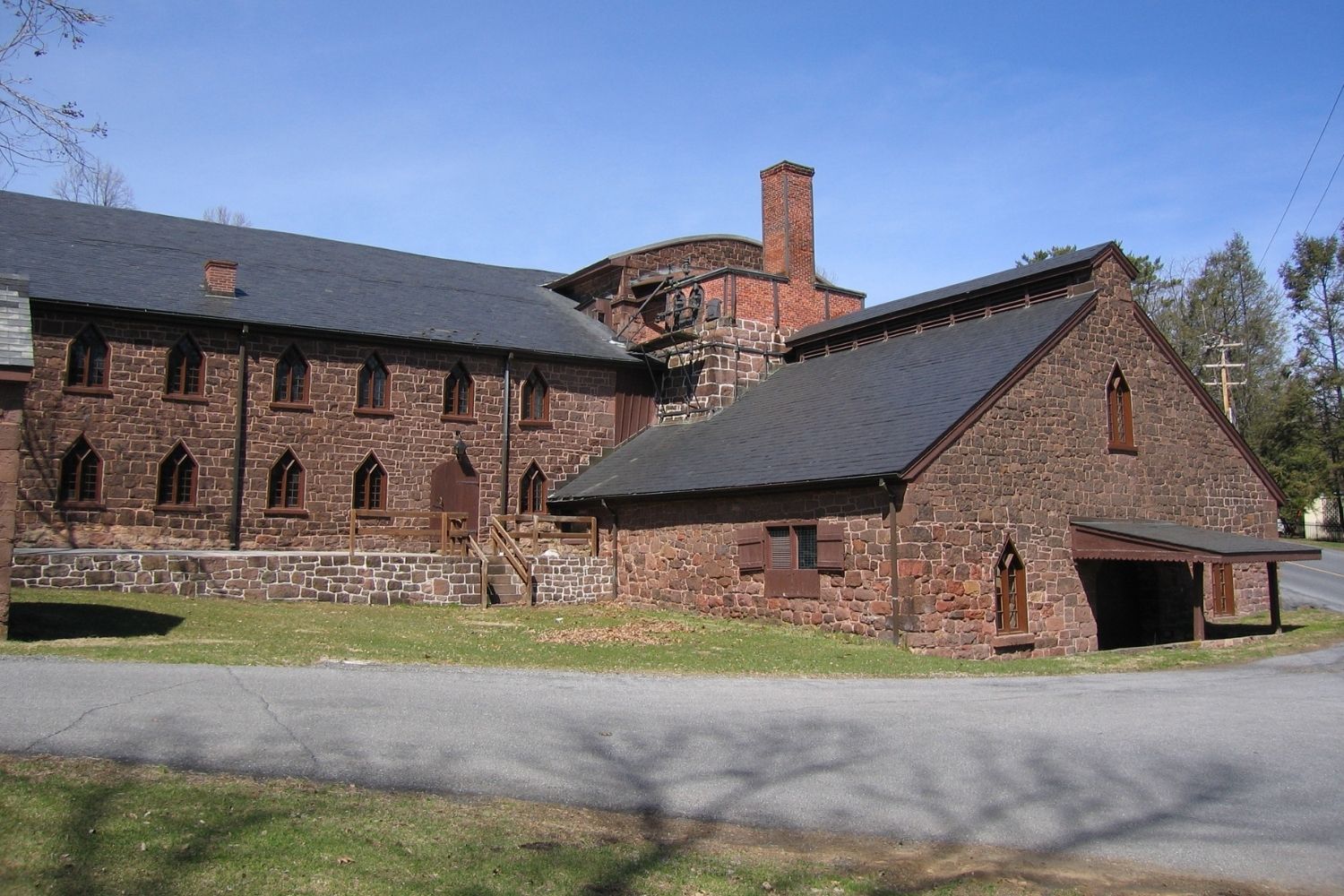
Have you ever wondered about the hidden history of Pennsylvania's Lebanon Valley? This area is home to some fascinating ghost iron furnaces. These old structures once played a crucial role in America's industrial past. Today, they stand as silent witnesses to a bygone era. Imagine walking through the woods and stumbling upon these massive stone relics. Each one has its own story, filled with hard work, innovation, and community spirit. Exploring these ghost iron furnaces offers a unique glimpse into the past. Ready to learn more about these intriguing sites? Let's dive into the secrets of Lebanon Valley's ghost iron furnaces.
Discovering Lebanon Valley's Ghost Iron Furnaces
Lebanon Valley in Pennsylvania holds a rich history of iron production. Hidden among its forests and hills are the remnants of old iron furnaces, once bustling with activity. These ghostly structures now stand silent, offering a glimpse into the past. Let's explore some of these fascinating sites.
1. Cornwall Iron Furnace
Cornwall Iron Furnace, located in Cornwall, Pennsylvania, is one of the best-preserved iron furnaces in the United States. This site operated from 1742 to 1883, producing iron for various uses, including cannonballs during the Revolutionary War.
- Location: Cornwall, PA
- Established: 1742
- Significance: Produced iron for the Revolutionary War
2. Colebrook Furnace
Colebrook Furnace, nestled in the woods near Colebrook, was built in 1791. Though now in ruins, it once played a crucial role in the local iron industry. The surrounding area offers beautiful hiking trails, making it a perfect spot for history buffs and nature lovers alike.
- Location: Near Colebrook, PA
- Established: 1791
- Significance: Important local iron producer
3. Mount Hope Furnace
Mount Hope Furnace, situated in the picturesque Mount Hope Estate, operated from 1784 to 1885. This site not only produced iron but also contributed to the estate's wealth. Today, visitors can explore the ruins and enjoy the estate's other attractions, including a winery and seasonal events.
- Location: Mount Hope Estate, PA
- Established: 1784
- Significance: Contributed to estate's wealth
4. Robesonia Furnace
Robesonia Furnace, found in the town of Robesonia, began operations in 1794. It was known for producing high-quality iron, which was used in various industries. Although the furnace is no longer active, the town celebrates its iron heritage with annual events and festivals.
- Location: Robesonia, PA
- Established: 1794
- Significance: Produced high-quality iron
5. Pine Grove Furnace
Pine Grove Furnace, located within Pine Grove Furnace State Park, operated from 1764 to 1895. This site produced iron for many years and now serves as a historical landmark within the park. Visitors can explore the furnace ruins and enjoy outdoor activities like hiking, fishing, and camping.
- Location: Pine Grove Furnace State Park, PA
- Established: 1764
- Significance: Historical landmark within state park
6. Hopewell Furnace
Hopewell Furnace, part of the Hopewell Furnace National Historic Site, offers a well-preserved example of an early American iron-making community. Established in 1771, it produced iron until 1883. Today, visitors can tour the site, learning about the iron-making process and the lives of those who worked there.
- Location: Hopewell Furnace National Historic Site, PA
- Established: 1771
- Significance: Early American iron-making community
7. Joanna Furnace
Joanna Furnace, located near Morgantown, operated from 1791 to 1898. This site produced iron for various industries and now serves as a historical site with educational programs and events. The annual Hay Creek Festival celebrates the furnace's history with demonstrations, crafts, and food.
- Location: Near Morgantown, PA
- Established: 1791
- Significance: Historical site with educational programs
8. Charming Forge
Charming Forge, situated along the Tulpehocken Creek, began operations in 1749. This site produced iron for over a century and now stands as a testament to the region's industrial past. The surrounding area offers scenic views and opportunities for outdoor activities.
- Location: Along Tulpehocken Creek, PA
- Established: 1749
- Significance: Testament to the region's industrial past
Discovering History in Lebanon Valley
Lebanon Valley's ghost iron furnaces offer a unique glimpse into Pennsylvania's industrial past. These structures, now silent, once roared with activity, shaping the region's economy and culture. Exploring these sites, you can almost hear the echoes of workers and see the glow of molten iron.
Visiting these historic landmarks isn't just about seeing old buildings. It's about connecting with a time when iron was king and communities thrived around these furnaces. Each site tells a story of hard work, innovation, and resilience.
Whether you're a history buff or just looking for an interesting day trip, Lebanon Valley's ghost iron furnaces are worth the visit. They remind us of the past's importance and how it shapes our present. So, next time you're in Pennsylvania, take a detour to Lebanon Valley and step back in time.
