Secrets Of Pennsylvania’s Hawk Mountain Sanctuary Bird Banding Stations
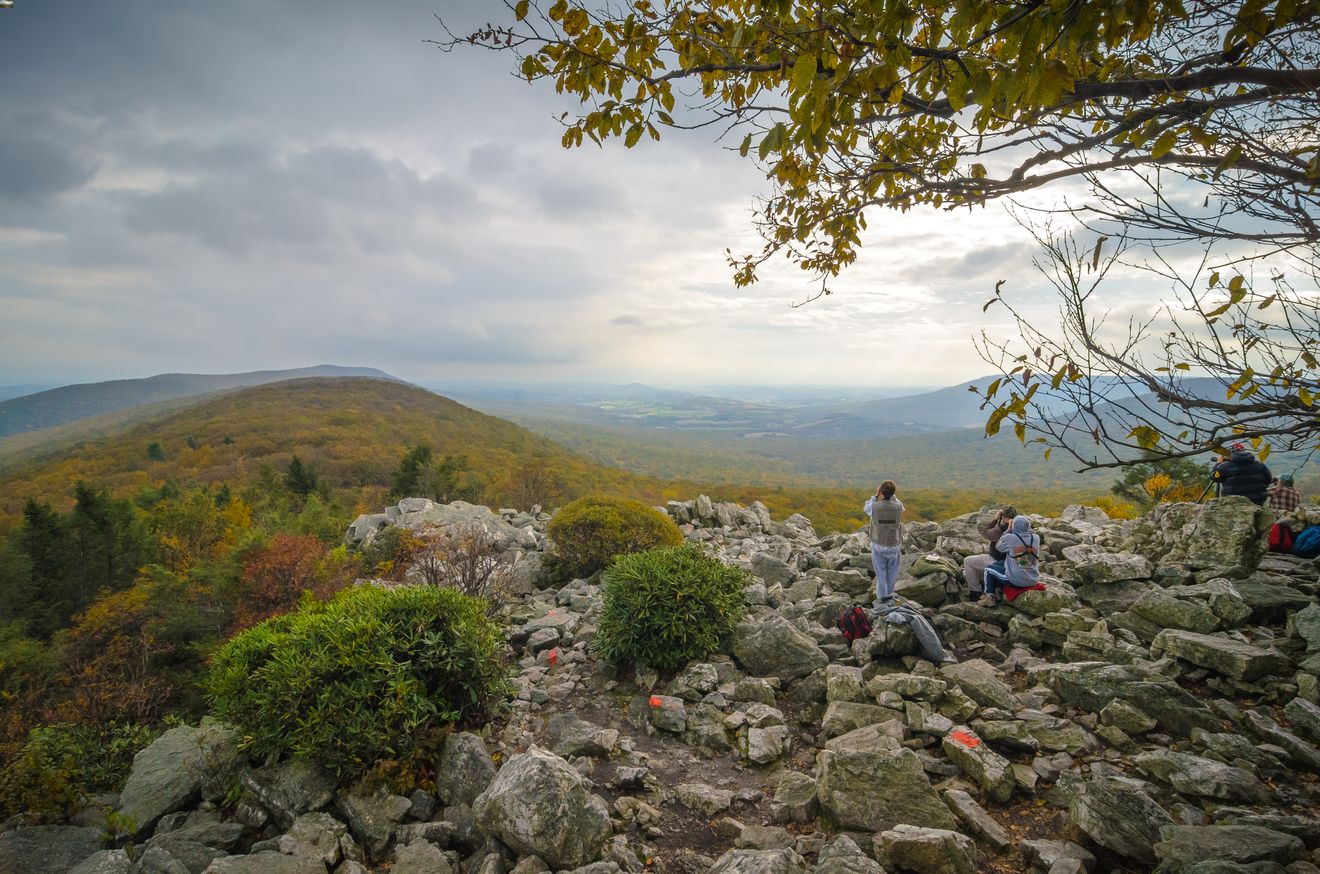
Have you ever wondered what makes Hawk Mountain Sanctuary in Pennsylvania so special? This place isn't just a beautiful spot for hiking; it's a haven for bird lovers and researchers alike. One of the coolest things about Hawk Mountain is its bird banding stations. These stations help scientists track bird migration patterns, study bird health, and understand more about different species. Imagine seeing a majestic hawk up close while experts carefully place a small band on its leg. It's a unique experience that connects you to nature in a whole new way. Ready to learn more about this amazing sanctuary? Let's dive in!
Discovering Hawk Mountain Sanctuary
Hawk Mountain Sanctuary in Pennsylvania is a haven for bird enthusiasts and nature lovers. Known for its stunning vistas and diverse bird species, this sanctuary offers a unique experience for those interested in bird banding. Bird banding stations are scattered throughout the sanctuary, each offering a glimpse into the fascinating world of avian research and conservation.
The North Lookout
The North Lookout is one of the most popular spots in Hawk Mountain Sanctuary. It offers breathtaking views and is a prime location for observing migrating raptors.
- Observation Deck: The deck provides a panoramic view of the Kittatinny Ridge, making it an ideal spot for spotting hawks, eagles, and falcons.
- Banding Station: Located nearby, this station allows researchers to capture and band birds, contributing valuable data to conservation efforts.
- Educational Programs: Visitors can participate in programs that explain the importance of bird banding and how it helps track bird populations.
The South Lookout
The South Lookout offers a different perspective of the sanctuary, with equally stunning views and opportunities for bird watching.
- Scenic Trails: The trails leading to the South Lookout are lined with interpretive signs that educate hikers about the local flora and fauna.
- Banding Demonstrations: Regular demonstrations show visitors how birds are safely captured, banded, and released.
- Photography Opportunities: This lookout is a favorite among photographers looking to capture the beauty of migrating birds against a backdrop of rolling hills.
River of Rocks
The River of Rocks is a unique geological feature within the sanctuary, offering a rugged landscape and a rich habitat for various bird species.
- Rocky Terrain: The boulder-strewn landscape provides a challenging but rewarding hike, with plenty of bird-watching opportunities along the way.
- Hidden Banding Station: Tucked away in this area, the banding station here focuses on smaller bird species that inhabit the rocky crevices.
- Nature Walks: Guided walks through the River of Rocks area highlight the importance of this unique ecosystem and its avian inhabitants.
The Native Plant Garden
The Native Plant Garden is a serene spot within the sanctuary, showcasing the region's native flora and providing a habitat for various bird species.
- Pollinator Garden: This section of the garden attracts hummingbirds and other pollinators, offering a close-up view of these fascinating creatures.
- Banding Station: The garden's banding station focuses on songbirds, providing insights into their migration patterns and behaviors.
- Educational Displays: Informative displays throughout the garden educate visitors about the relationship between native plants and local bird species.
The Visitor Center
The Visitor Center is the heart of Hawk Mountain Sanctuary, offering resources and information for visitors of all ages.
- Interactive Exhibits: Exhibits explain the history of the sanctuary, the importance of bird conservation, and the role of bird banding.
- Live Bird Programs: Regular programs feature live birds, giving visitors a chance to see these magnificent creatures up close.
- Banding Lab: The lab provides a behind-the-scenes look at the bird banding process, with opportunities to observe researchers at work.
The Silhouette Trail
The Silhouette Trail is a family-friendly path that features life-sized silhouettes of various raptor species.
- Educational Signs: Signs along the trail provide information about each species, their migration routes, and their role in the ecosystem.
- Banding Station: The trail's banding station focuses on raptors, offering a rare chance to see these powerful birds up close.
- Interactive Activities: Activities along the trail engage visitors in learning about bird conservation and the importance of banding.
The Sanctuary's Hidden Gems
Beyond the well-known spots, Hawk Mountain Sanctuary has several hidden gems that offer unique bird banding experiences.
- The Pinnacle: A less-traveled spot with stunning views and a banding station that focuses on high-altitude species.
- The Meadow: This open area attracts a variety of bird species, with a banding station that provides insights into grassland birds.
- The Bog: A wetland area with a banding station that studies waterfowl and other wetland species.
Experience the Magic of Hawk Mountain
Hawk Mountain Sanctuary offers a unique glimpse into the world of bird banding. Visitors can witness the meticulous process of tagging and tracking birds, gaining insight into their migratory patterns. The sanctuary's efforts contribute significantly to bird conservation, making it a must-visit for nature enthusiasts and bird lovers alike.
Whether you're an avid birder or just curious about wildlife, Hawk Mountain provides an educational and awe-inspiring experience. The sanctuary's scenic trails and observation points add to the adventure, offering breathtaking views and close encounters with various bird species.
Plan your visit to Hawk Mountain Sanctuary to see firsthand the incredible work being done to protect our feathered friends. You'll leave with a deeper appreciation for nature and the vital role conservation plays in preserving it.