

Part of our Pennsylvania guide.
15 places and guides from our Secrets Iron coverage, gathered into one page.
Juniata Valley
Hidden history lingers in Pennsylvania's Juniata Valley, where iron furnaces once powered the local economy. These ruins, scattered through dense forests, are part of the region's industrial past—a time when iron production reigned. Walking the trails, you might stumble upon these stone remnants, silent markers of the labor and ingenuity that shaped the area. The furnaces stand as quiet relics, their stories etched into the landscape. For those willing to explore, the valley offers a tangible link to a bygone era, where nature has reclaimed much of what industry built. It’s a place that rewards curiosity with a glimpse into the grit and determination of early settlers.
Abandoned Industrial Kilns
Have you ever wondered about the hidden stories behind Pennsylvania's abandoned industrial kilns? These massive structures, once bustling with activity, now stand as silent witnesses to a bygone era. Located in various parts of the state, these kilns were crucial in producing materials like lime, bricks, and cement. Today, they offer a unique glimpse into the past, attracting history buffs, photographers, and urban explorers alike. Walking through these sites, you can almost hear the echoes of workers and machinery. These kilns are part of the broader "secrets hidden in Pennsylvania," waiting to be uncovered by those who seek them.
Bethlehem's Gilded Age Gardens
Tucked in the heart of Bethlehem, these gardens are a portal to a slower, more ornate era. You’ll wander through lush greenery, vibrant flowerbeds, and fountains that seem to whisper tales of the Gilded Age. It’s a peaceful retreat from modern bustle, yet it’s also a chance to uncover the secrets hidden in Pennsylvania’s industrial past. The gardens sit amid Bethlehem’s rich architectural history, so pair your stroll with a look at the surrounding mansions and ironwork. Whether you’re a history buff or just need a quiet hour, the contrast of manicured beauty and raw heritage makes this spot a genuine find.
Pine Grove Ghost Iron Works
Pine Grove Ghost Iron Works in Pennsylvania is an abandoned iron production site that once hummed with industrial life, now reduced to haunting ruins. As you walk through the remnants, you can almost hear the echoes of workers and the clang of machinery that defined this bustling hub. The site offers a tangible connection to the state’s industrial age, where nature has slowly reclaimed the furnaces and foundations. It’s a place for those who appreciate history’s quieter, eerier corners—where every cracked wall and rusted beam tells a story. Whether you’re a history buff or just curious about the state’s hidden past, this ghostly landmark invites you to step back in time and imagine the lives that once fueled its fires.
Bake Oven Mines
Tucked beneath Pennsylvania’s surface, the Bake Oven Mines in the Lehigh Valley offer a quiet look at the state’s mining past. These tunnels once hummed with activity, pulling out minerals that powered local mills and industries. Now they sit silent, their entrances half-hidden by forest, a tangible piece of the region’s industrial heritage. For hikers and history buffs alike, the site is a reminder of the outdoor adventures and sweet escapes in Pennsylvania that lie just off the beaten path. You can walk the old tailings, peer into the darkened openings, and imagine the pickaxes at work. It’s a stop that rewards curiosity with a direct connection to a time when the valley’s wealth came from underground—a true slice of the secrets hidden in Pennsylvania’s landscape.
Alan Seeger
Tucked into Pennsylvania’s wilderness, Alan Seeger Natural Area offers a quiet retreat from city noise. Here, you’ll find some of the most secret villages in the state, each with its own character and backstory. Wander through dense forest trails, spot rustic cabins half-hidden among the hemlocks, and chat with locals who enjoy sharing tales of the area’s past. The natural area is known for its towering old-growth trees and the gentle flow of nearby streams, making it a peaceful stop for hikers and history buffs alike. Whether you’re following a short loop or simply sitting by the water, this spot rewards those who take time to look closely. It’s a genuine slice of rural Pennsylvania, far from the usual tourist paths.
Soap Making In Pennsylvania's Lancaster
In Pennsylvania's Lancaster County, soap making is a tradition passed down through generations, rooted in the area's rich history and Amish culture. Artisans select natural ingredients, then carefully mix and cure each batch by hand. The process reflects a slower, more deliberate craft than commercial production. Visitors can see how these soap makers transform simple oils and lye into bars that are both functional and gently scented. The curing process, which can take several weeks, ensures a mild, long-lasting product. This hands-on approach is part of the broader appeal of the region, where you might also explore scenic hikes to take in Lancaster, Pennsylvania, between workshop visits. Each bar carries the care of its maker, offering a practical souvenir of a time-honored practice.
Iron Valley Towns
Pennsylvania’s Iron Valley towns blend history, culture, and natural beauty in one compact region. Explore old iron furnaces that anchor each community’s past, then follow scenic trails that wind through rolling hills. Main streets offer local food and a slower pace, with every town holding a distinct story tied to the iron industry. The furnaces, many restored, show how these villages once fueled the nation’s growth. Hiking paths range from easy walks to longer treks, all within reach of downtown. Whether you’re drawn by the architecture, the outdoor access, or the quiet charm, these towns reward a deliberate visit. Each one repays a few hours with a genuine sense of place, and the connections between them make for a satisfying loop drive. Start with the furnaces, then let the trails or local eateries guide your day.
Flax Processing Secrets Of Lancaster County
Flax processing in Lancaster County turns the humble flax plant into durable linen through a time-honored sequence. The process begins in the fields where flax is grown, then moves through retting, breaking, and scutching—each step essential to freeing the fibers. Retting loosens the woody stalk, breaking crushes it, and scutching scrapes away the shive. The result is a strong, lustrous thread ready for weaving. This tradition, tied to the region’s agricultural heritage, offers a hands-on look at pre-industrial craft. For travelers, it pairs naturally with the area’s scenic hikes to take in Lancaster, Pennsylvania, where field and workshop meet. It’s a quiet, detailed art—one that rewards those who pause to watch the work unfold.
Ghost Iron Works In Pine Creek Gorge
Pine Creek Gorge, often called the "Grand Canyon of Pennsylvania," hides many secrets within its lush forests and rugged terrain. Among them is Ghost Iron Works, a 19th-century industrial hub that once drove the local economy. Today, its remnants stand as a quiet testament to the era's ingenuity and labor. The site offers a tangible link to the past, inviting visitors to explore the stories etched into the landscape. Wandering the area, you can trace the outlines of old structures and imagine the bustle that once filled this now-silent hollow. It’s a place where history and nature intertwine, rewarding those who venture off the main paths with a deeper sense of the region's layered heritage.
Coal Valley Ghost Furnaces
Pennsylvania’s Coal Valley Ghost Furnaces are abandoned iron-making relics from the state’s industrial boom. These crumbling stone and brick stacks once glowed with molten metal, and walking the sites now feels like stepping into a forgotten chapter of American manufacturing. You can almost hear the clang of hammers and the roar of the blast fires. For history buffs and adventure seekers, the furnaces are a raw, open-air museum—no ticket booth, no guardrails, just silent monuments to a gritty past. The best part? You can explore them freely, tracing the old rail beds and loading ramps that fed the fires. Whether you’re hunting for “secrets hidden in Pennsylvania” or simply want a place where the past feels tangible, these ghost furnaces deliver a haunting, memorable stop off the beaten path.
Pocono Mountains
Tucked into the lush forests of Pennsylvania’s Pocono Mountains, hidden charcoal kilns from the 19th century offer a quiet window into the region’s iron industry past. These stone and earth structures once produced the fuel that fed local furnaces, and today they stand as silent witnesses to that bygone era. For hikers and history buffs alike, they are among the most intriguing secrets hidden in Pennsylvania. Wandering the surrounding trails—part of the broader appeal of hiking and the outdoors in Pennsylvania—you can still trace the outlines of the old operations. Ready to step back in time? Seek out these moss-covered kilns and uncover a tangible piece of the Pocono’s industrial heritage, far from the busier resort crowds.
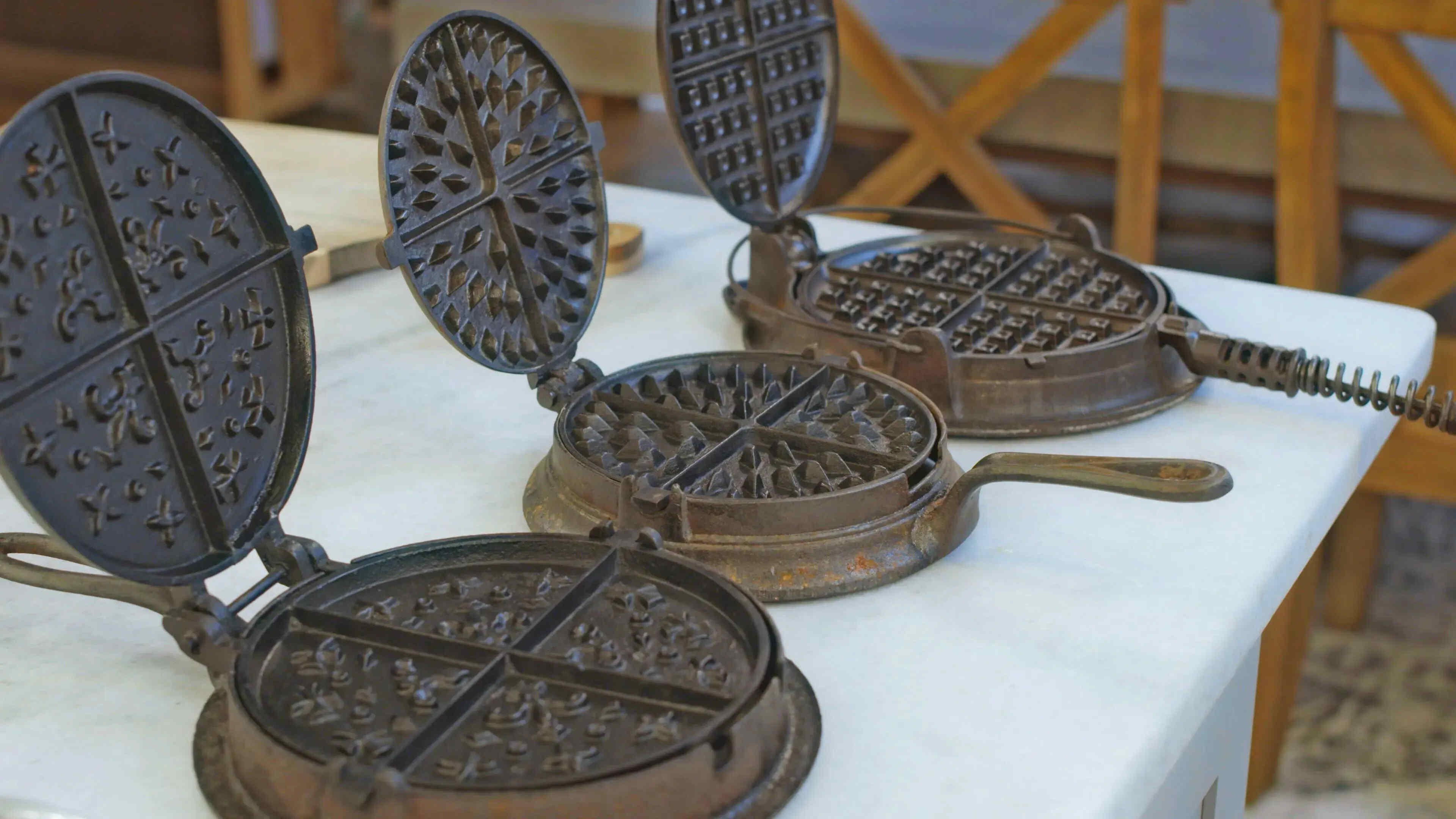
Ligonier's Hidden Antique Waffle Iron Museum
Tucked away in the charming town of Ligonier, Pennsylvania, this museum offers a fascinating glimpse into the past through its collection of antique waffle irons. Each piece tells a story, showcasing the evolution of breakfast-making tools over the decades. While Ligonier is known for its charming streets and historic landmarks, this unique gem is one of the true "secrets hidden in Pennsylvania." Ready to explore the quirky world of vintage waffle irons? The Antique Waffle Iron Museum is a delightful detour for anyone curious about a unique piece of history in a small town.
Pittsburgh
One of Pittsburgh's best-kept secrets is its collection of Victorian greenhouses. These 19th-century structures offer a glimpse into a bygone era, where lush plants and intricate ironwork tell stories of the past. Step inside and you’ll find more than just botany—each greenhouse preserves a piece of the city’s architectural heritage. While exploring, you might also uncover some of the broader "secrets hidden in Pennsylvania" that tie these sites together. Whether you’re a history buff or a garden lover, these greenhouses are a quiet escape from the modern city bustle. Seek them out to see a side of Pittsburgh few tourists ever do.
Philadelphia
Philadelphia hides antique galvanometer workshops in unexpected corners of the city. These spaces showcase instruments once used to measure electric currents with precision, each piece telling a story of innovation and discovery. For history buffs and science enthusiasts, stepping into a workshop feels like opening a time capsule of vintage equipment. Wander off the main streets to find these tucked-away treasures, where craftsmanship and early electrical engineering come alive. Whether you are a dedicated collector or simply curious, these workshops offer a rare, hands-on glimpse into a bygone era of scientific progress. Explore them to see how Philadelphia’s past pulses with ingenuity.
More about Secrets Iron
- Secrets Of Pennsylvania's Lost Gristmills
- Hidden Wild Pawpaw Patches In Pennsylvania
- Hidden Company Towns Of Pennsylvania's Coal Region
- Dive Into Raystown Lake's Hidden Ghost Town
- Secrets Of Pennsylvania's Mountain Laurel Tunnels
- Secrets Of Pennsylvania's Ancient Rock Art Sites
- Hidden Trout Streams In Pennsylvania's Pocono Mountains
- Secret Swimming Holes In Pennsylvania's Pocono Mountains
- Secrets Of Pennsylvania's Ancient Earthwork Sites
- Hidden Iron Furnaces Of Pennsylvania
- Pennsylvania's Hidden Steel Mills Forgotten By Time
- Secrets Of Pennsylvania's Mason-Dixon Stone Markers
- Hidden Firefly Synchronization Sites In Pennsylvania's Allegheny Forest
- Secrets Of Amish Backroads In Pennsylvania's Lancaster County
- Secrets Of Black Bear Dens In Pennsylvania's Pocono Mountains
- Mysteries Of Pennsylvania's Blue Hole
- Secrets Of Pennsylvania's Delaware River Towns
- Mysteries Of Pennsylvania's Blue Rocks
- Secrets Of Pennsylvania's Sacred Stone Circles
- Secrets Of Pennsylvania's Abandoned Railways
- Secrets Of Pennsylvania's Bedford Mineral Springs
- Secrets Of Pennsylvania's Colonial Taverns
- Mysteries Hidden In Pennsylvania's Allegheny
- Secrets Of Pennsylvania's Hawk Mountain Eagle Migration
- Secrets Of Pennsylvania's Abandoned Railroad Tunnels
- Mysteries Of Pennsylvania's Hammersley Wild
- Hidden Mysteries Of Pennsylvania's Abandoned Turnpike Tunnels
- 15 Hidden Towns in Pennsylvania's Laurel Highlands
- Hidden Gems Of Pennsylvania's Delaware Canal Towpath
- Secrets Of Pennsylvania's Tuscarora Mountain
- Secrets Of Pennsylvania's Iron Mountain
- Hidden Secrets Of Pennsylvania's Gettysburg Quarry Sites
- Secrets Of Pennsylvania's Pine Creek Stone Chambers
- Secrets Of Pennsylvania's Silk Mill Towns
- Secrets Of Pennsylvania's Cook Forest Remnant Virgin Forests
- Hidden Gems: Pennsylvania's 10 Most Beautiful Towns And Cities
- Secrets Of Pennsylvania's Highland Bogs
- Hidden Lore: Forgotten Folklore Sites Of Pennsylvania Dutch Country
- Hidden Whiskey Rebellion Spots In Pennsylvania's Laurel Highlands
- Hidden Swimming Holes In Pennsylvania's Ricketts Glen
