

Flax Processing Secrets Of Lancaster County
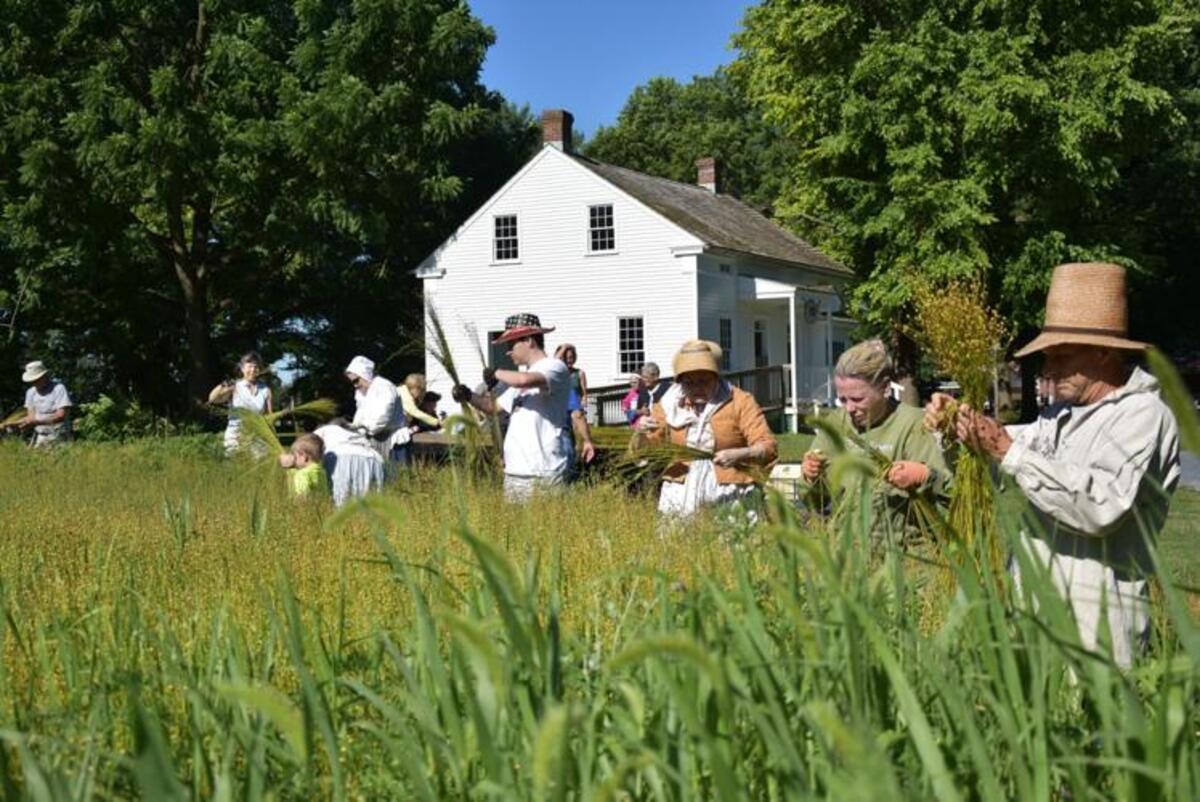
Have you ever wondered how flax processing works in Lancaster County? This charming area, known for its rich history and Amish culture, also has a fascinating tradition of turning flax into linen. From the fields where flax is grown to the intricate steps of retting, breaking, and scutching, Lancaster County offers a unique glimpse into this age-old craft. Whether you're a history buff or just curious about traditional methods, learning about flax processing here is like stepping back in time. Join us as we explore the meticulous process that transforms humble flax plants into beautiful, durable linen.
Flax Processing in Lancaster County: A Historical Overview
Lancaster County, known for its rich agricultural heritage, has a fascinating history of flax processing. This process, essential for producing linen, played a significant role in the region's economy. Let's explore some key locations where you can learn about this traditional craft.
1. Landis Valley Village & Farm Museum
Landis Valley Village & Farm Museum offers a comprehensive look at Pennsylvania German rural life. Here, visitors can see demonstrations of flax processing, from planting to spinning. The museum's knowledgeable staff provide insights into the historical significance of flax in Lancaster County.
2. The Amish Farm and House
At The Amish Farm and House, you can witness traditional Amish methods of flax processing. This living history museum showcases the simplicity and efficiency of Amish techniques, giving visitors a glimpse into a lifestyle that has remained largely unchanged for centuries.
3. Ephrata Cloister
Ephrata Cloister is a historic site where a religious community once thrived. The Cloister's members were known for their self-sufficiency, which included processing flax for linen. Guided tours reveal the meticulous steps involved in transforming flax into fabric, highlighting the community's ingenuity.
4. The Heritage Center Museum of Lancaster County
The Heritage Center Museum of Lancaster County features exhibits on the region's agricultural history, including flax processing. Artifacts and displays illustrate the importance of flax in the daily lives of early settlers, making it a must-visit for history enthusiasts.
5. The Hans Herr House & Museum
The Hans Herr House & Museum is the oldest homestead in Lancaster County. This site offers a unique opportunity to see how early settlers processed flax. The museum's demonstrations and exhibits provide a hands-on experience, allowing visitors to appreciate the labor-intensive nature of flax production.
6. The Lancaster Mennonite Historical Society
The Lancaster Mennonite Historical Society preserves the heritage of the Mennonite community, including their flax processing techniques. The society's archives and exhibits offer a detailed look at how flax was cultivated and transformed into linen, reflecting the community's resourcefulness.
7. The Pennsylvania German Cultural Heritage Center
Located at Kutztown University, the Pennsylvania German Cultural Heritage Center explores the cultural practices of Pennsylvania Germans, including flax processing. The center's exhibits and events provide a deeper understanding of the traditional methods used by this community.
8. The Rough and Tumble Engineers Historical Association
The Rough and Tumble Engineers Historical Association may be known for its steam engines, but it also features demonstrations of historical agricultural practices, including flax processing. This unique site offers a blend of industrial and agricultural history, making it a fascinating stop for visitors.
9. The Lancaster Quilt & Textile Museum
The Lancaster Quilt & Textile Museum showcases the artistry of textile production, including the role of flax in creating beautiful linens. Exhibits highlight the craftsmanship involved in flax processing, from spinning to weaving, celebrating the region's textile heritage.
10. The Historic Rock Ford Plantation
The Historic Rock Ford Plantation provides a glimpse into the life of Edward Hand, a Revolutionary War general. The plantation's exhibits include flax processing tools and demonstrations, illustrating the importance of flax in the daily life of early American settlers.
The Last Word on Flax Processing in Lancaster County
Flax processing in Lancaster County is a blend of tradition and skill. Farmers here have honed techniques passed down through generations. They start by growing high-quality flax plants, then move on to retting, breaking, and scutching. Each step is crucial for producing strong, durable fibers. The final product is often linen, known for its strength and versatility. Lancaster County's flax processing methods are a testament to the area's rich agricultural heritage. If you ever visit, take the time to see this process firsthand. It’s a unique experience that connects you to the past while showcasing the hard work and dedication of local farmers. Understanding these methods gives you a deeper appreciation for the fabric that has been a staple in homes for centuries.
