Secrets Of Oregon’s Willamette Forest Logging Camp Ruins
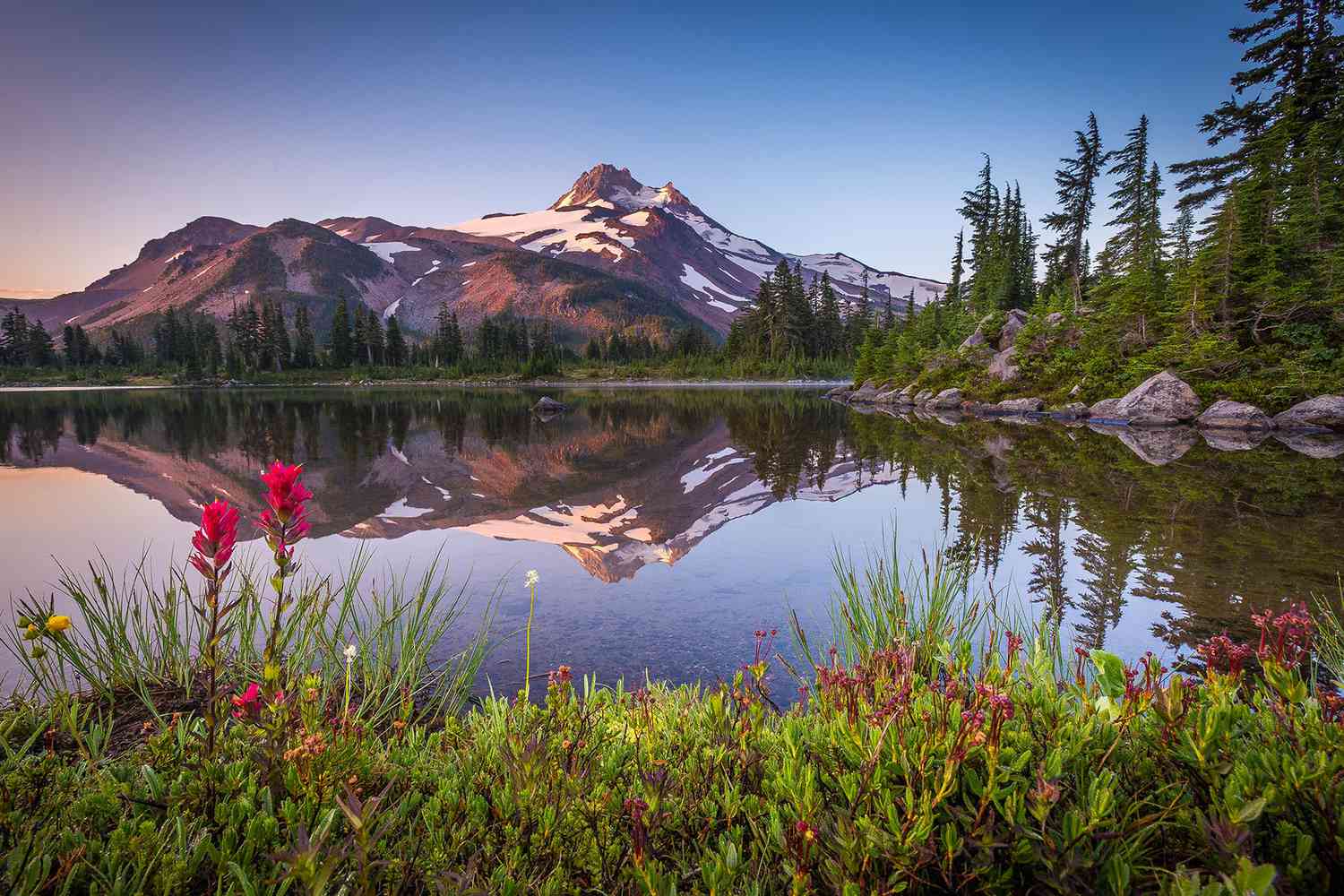
Have you ever wondered what lies hidden in the dense woods of Oregon's Willamette Forest? Tucked away from the bustling cities, the Willamette Forest logging camp ruins offer a glimpse into the past. These remnants tell stories of hard work, community, and the logging industry that once thrived here. Walking through the moss-covered structures, you can almost hear the echoes of saws and the chatter of loggers. It's a place where history and nature intertwine, creating a unique experience for those who visit. Ready to step back in time and explore these forgotten relics? Let's uncover the secrets of the Willamette Forest logging camp ruins together.
Discovering the Hidden Gems of Willamette Forest
The Willamette Forest in Oregon is a treasure chest of history and nature. Among its dense trees and winding trails, you can find the remnants of old logging camps. These sites tell stories of a bygone era when logging was the lifeblood of the region. Let's uncover some of these hidden gems.
1. The Abandoned Mill
The old mill stands as a silent witness to the bustling activity that once filled the forest. Its crumbling walls and rusting machinery offer a glimpse into the past.
- Location: Near the North Fork of the Willamette River
- Highlights: Rusted saw blades, decaying wooden structures, and overgrown pathways
- Best Time to Visit: Early morning for the best light and fewer visitors
2. The Forgotten Bunkhouses
These bunkhouses once provided shelter to the hardworking loggers. Now, they stand empty, slowly being reclaimed by nature.
- Location: Deep within the forest, accessible via a short hike from the main trail
- Highlights: Moss-covered roofs, broken windows, and old furniture
- Best Time to Visit: Late afternoon when the sun casts long shadows
3. The Old Railroad Tracks
Railroads were essential for transporting logs out of the forest. The old tracks, now overgrown with vegetation, are a testament to this vital part of logging history.
- Location: Parallel to the main logging road
- Highlights: Rusted tracks, abandoned rail cars, and wildflowers growing between the ties
- Best Time to Visit: Spring, when the wildflowers are in full bloom
4. The Logging Equipment Graveyard
A collection of old logging equipment lies scattered in a clearing, slowly rusting away. This site offers a fascinating look at the tools of the trade from decades past.
- Location: Near the southern edge of the forest
- Highlights: Rusted chainsaws, old trucks, and massive log skidders
- Best Time to Visit: Midday, when the sun is high and the shadows are minimal
5. The Ghost Town of Wendling
Wendling was once a thriving logging town. Now, it's a ghost town with only a few buildings still standing. Walking through Wendling feels like stepping back in time.
- Location: Eastern part of the forest, near the Mohawk River
- Highlights: Abandoned houses, an old schoolhouse, and a crumbling general store
- Best Time to Visit: Autumn, when the leaves are changing colors
6. The Logging Camp Cemetery
This small cemetery is the final resting place for some of the loggers who worked in the forest. The weathered headstones tell stories of lives lived and lost in the woods.
- Location: Hidden in a secluded part of the forest, off the beaten path
- Highlights: Old headstones, peaceful surroundings, and a sense of history
- Best Time to Visit: Early evening, when the light is soft and the forest is quiet
7. The Old Water Tower
The water tower once supplied the logging camp with much-needed water. Now, it stands as a relic of the past, towering over the surrounding trees.
- Location: Near the center of the old logging camp
- Highlights: Tall, rusted structure, graffiti from past visitors, and a great view from the top
- Best Time to Visit: Late morning, when the sun illuminates the tower
8. The Logging Camp Mess Hall
The mess hall was the heart of the logging camp, where workers gathered to eat and socialize. Today, its empty shell echoes with the memories of laughter and camaraderie.
- Location: Central part of the old camp
- Highlights: Large, open space, remnants of old tables and benches, and a fireplace
- Best Time to Visit: Noon, when the light streams through the broken windows
9. The Old Blacksmith Shop
The blacksmith shop was crucial for maintaining the tools and equipment used by the loggers. Now, it stands abandoned, with old tools still hanging on the walls.
- Location: On the outskirts of the old camp
- Highlights: Anvils, hammers, and other blacksmith tools, along with a forge
- Best Time to Visit: Early afternoon, when the light filters through the trees
10. The Logging Camp Office
The office was the administrative hub of the logging camp. Today, it’s a crumbling building filled with old ledgers and paperwork, offering a glimpse into the camp's operations.
- Location: Near the entrance of the old camp
- Highlights: Old desks, filing cabinets, and stacks of yellowed paper
- Best Time to Visit: Morning, when the light is soft and the air is cool
Hidden Gems of History
Oregon's Willamette Forest logging camp ruins offer a unique glimpse into the past. Exploring these sites, you can almost hear the echoes of the hardworking loggers who once called this place home. The remnants of cabins, tools, and machinery tell stories of a bygone era, making it a must-visit for history buffs and nature lovers alike.
Hiking through the forest, you'll find yourself surrounded by lush greenery and the serene sounds of nature. It's a peaceful escape from modern life, allowing you to connect with both history and the great outdoors. Whether you're an avid hiker or just looking for a quiet retreat, the Willamette Forest has something special to offer.
Don't miss the chance to uncover these hidden gems. Pack your hiking boots, grab a map, and set out on an adventure through Oregon's rich logging history.