Hidden Logger Camp Ruins In Oregon’s Cascade Range
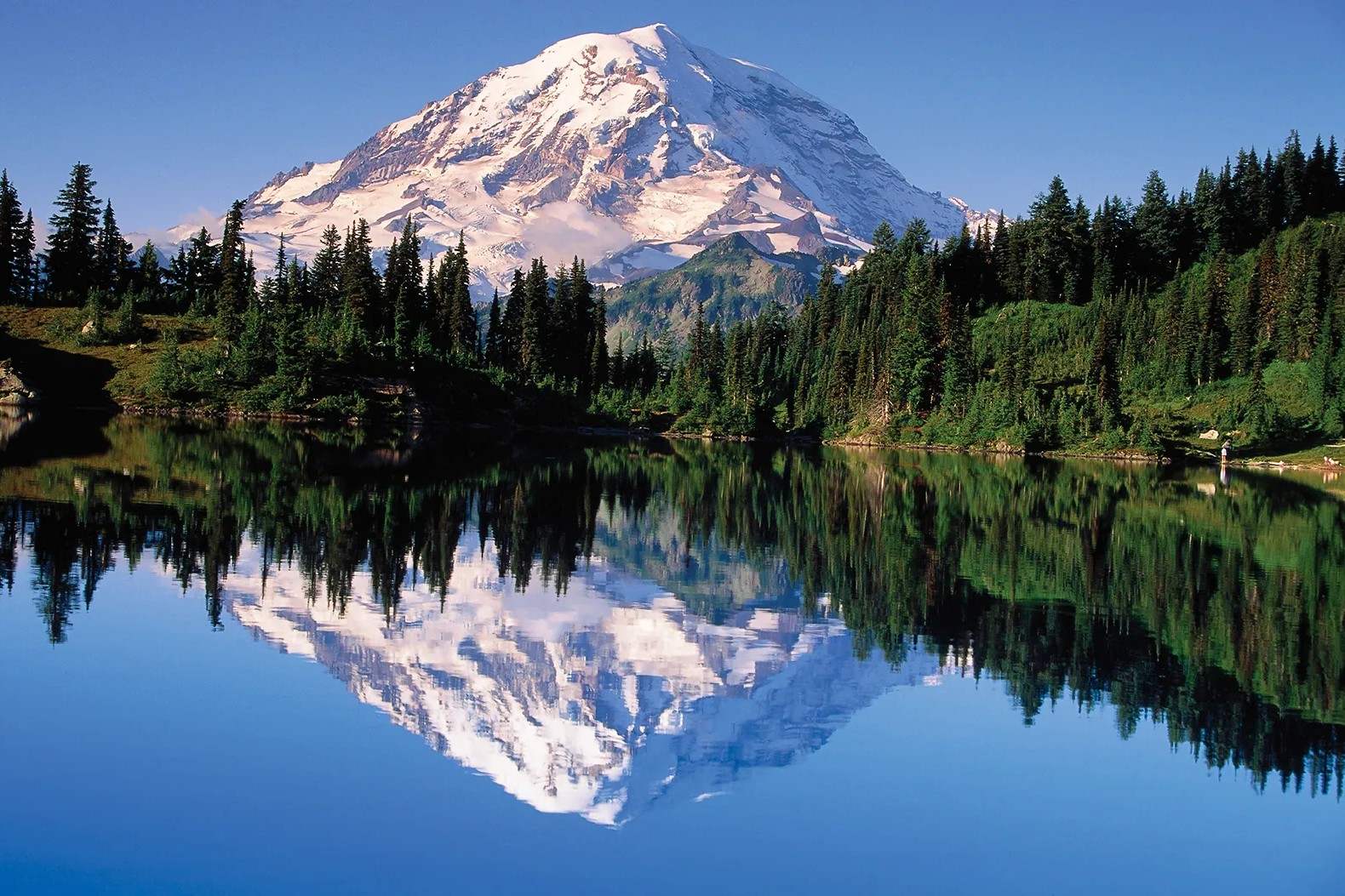
Have you ever wondered what secrets lie hidden in Oregon's Cascade Range? Tucked away in these rugged mountains are the hidden logger camp ruins that tell stories of a bygone era. These remnants of old logging camps provide a fascinating glimpse into the past, where loggers toiled amidst towering trees and wild landscapes. Exploring these ruins feels like stepping back in time, offering a unique adventure for history buffs and nature lovers alike. Whether you're hiking through dense forests or stumbling upon old machinery, the Cascade Range holds many surprises. Ready to uncover the mysteries of these forgotten camps? Let's dive in!
Hidden Logger Camp Ruins in Oregon's Cascade Range
Oregon's Cascade Range is a treasure chest of natural beauty and history. Among its dense forests and towering peaks lie remnants of a bygone era—logger camps that once buzzed with activity. These hidden ruins offer a glimpse into the past, where loggers toiled and lived amidst the wilderness. Let's uncover some of these fascinating sites.
1. Abandoned Camp 18
Nestled deep within the Cascade Range, Abandoned Camp 18 stands as a silent witness to the logging industry's heyday. The camp's decaying structures and rusting equipment tell stories of hard work and resilience.
- Location: Near the Santiam River
- Highlights: Old bunkhouses, rusted logging machinery, overgrown trails
- Best Time to Visit: Late spring to early fall
2. Ghost Town of Valsetz
Once a bustling logging town, Valsetz now lies in ruins. The town was abandoned in the 1980s, and nature has since reclaimed much of it. Exploring Valsetz feels like stepping back in time.
- Location: Near the Siletz River
- Highlights: Remnants of homes, old school building, logging equipment
- Best Time to Visit: Summer
3. Camp Pioneer
Camp Pioneer offers a unique blend of history and natural beauty. This former logger camp is now a popular spot for hikers and history buffs alike. The camp's ruins are scattered throughout a lush forest, making for an intriguing exploration.
- Location: Near Marion Forks
- Highlights: Old cabins, logging tools, scenic hiking trails
- Best Time to Visit: Late spring to early fall
4. Mill City Ruins
Mill City was once a thriving logging community. Today, its ruins provide a hauntingly beautiful glimpse into the past. The remnants of the old mill and surrounding buildings are a testament to the town's former glory.
- Location: Along the North Santiam River
- Highlights: Old mill ruins, abandoned homes, scenic river views
- Best Time to Visit: Spring and summer
5. Detroit Lake Logging Camp
Detroit Lake Logging Camp is a hidden gem in the Cascade Range. The camp's ruins are well-preserved, offering a fascinating look at the daily lives of loggers. The nearby lake adds to the camp's charm, making it a perfect spot for a day trip.
- Location: Near Detroit Lake
- Highlights: Well-preserved cabins, logging equipment, picturesque lake views
- Best Time to Visit: Summer and early fall
6. Camp Sherman
Camp Sherman is a historic logging camp that has been partially restored. Visitors can explore the camp's old buildings and learn about the logging industry's impact on the region. The camp's scenic location along the Metolius River adds to its appeal.
- Location: Along the Metolius River
- Highlights: Restored cabins, logging artifacts, beautiful river views
- Best Time to Visit: Spring and summer
7. Blue River Logging Camp
Blue River Logging Camp offers a serene and picturesque setting for exploring logging history. The camp's ruins are scattered throughout a dense forest, providing a peaceful and reflective experience.
- Location: Near Blue River Reservoir
- Highlights: Old bunkhouses, logging tools, tranquil forest setting
- Best Time to Visit: Late spring to early fall
8. Oakridge Logging Camp
Oakridge Logging Camp is a hidden treasure in the Cascade Range. The camp's ruins are well-preserved, offering a fascinating look at the logging industry's past. The surrounding forest provides a beautiful backdrop for exploration.
- Location: Near Oakridge
- Highlights: Well-preserved cabins, logging equipment, scenic forest views
- Best Time to Visit: Summer and early fall
9. Camp Cascadia
Camp Cascadia is a lesser-known logging camp that offers a unique glimpse into the past. The camp's ruins are scattered throughout a dense forest, providing a peaceful and reflective experience.
- Location: Near Cascadia State Park
- Highlights: Old bunkhouses, logging tools, tranquil forest setting
- Best Time to Visit: Late spring to early fall
10. Camp White Branch
Camp White Branch is a historic logging camp that has been partially restored. Visitors can explore the camp's old buildings and learn about the logging industry's impact on the region. The camp's scenic location along the McKenzie River adds to its appeal.
- Location: Along the McKenzie River
- Highlights: Restored cabins, logging artifacts, beautiful river views
- Best Time to Visit: Spring and summer
Discovering Oregon's Hidden Logger Camp Ruins
Exploring the hidden logger camp ruins in Oregon's Cascade Range offers a unique glimpse into the past. These sites, tucked away in dense forests, reveal stories of hard work and resilience. Walking through these areas, you can almost hear the echoes of saws and feel the spirit of the loggers who once called this place home.
Visiting these ruins isn't just about history. It's also about connecting with nature. The Cascade Range's beauty, with its towering trees and serene landscapes, adds to the experience. Whether you're a history buff or a nature lover, these hidden gems provide a perfect blend of both.
So, next time you're in Oregon, take a detour from the usual tourist spots. Seek out these forgotten logger camps. You'll leave with a deeper appreciation for the region's history and natural beauty.