

Hidden Lighthouse Navigation Tech At Oregon’s Columbia River Maritime Museum
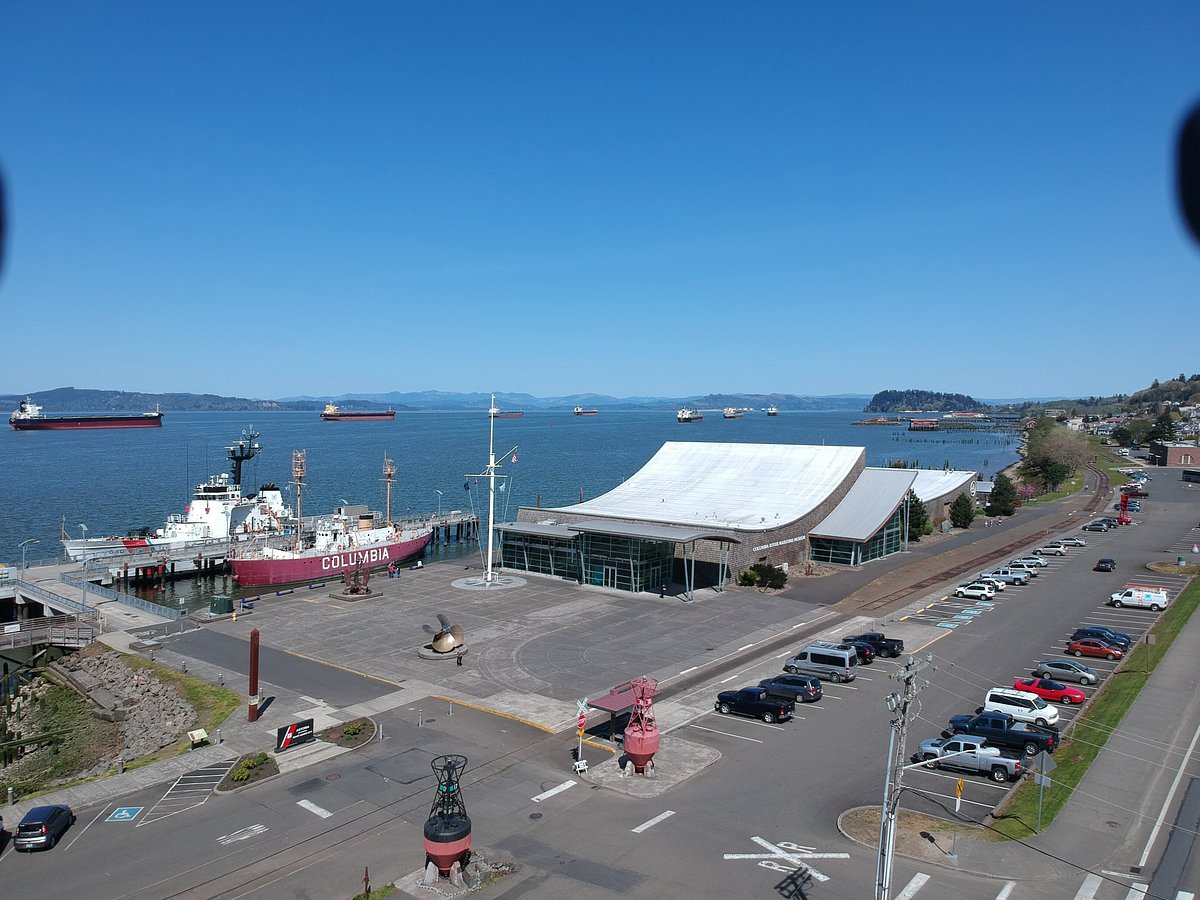
Ever wondered how sailors navigated the treacherous waters of the Columbia River? At the Columbia River Maritime Museum in Oregon, you can find out. This museum offers a deep look into the hidden lighthouse navigation tech that has guided countless ships safely to shore. From ancient maps to modern radar, the exhibits showcase the evolution of maritime navigation. You'll see how technology has changed over the years, making sea travel safer and more efficient. Whether you're a history buff or just curious, this museum provides a fascinating glimpse into the world of maritime navigation.
Hidden Lighthouse Navigation Tech at Oregon's Columbia River Maritime Museum
The Columbia River Maritime Museum in Oregon is a treasure trove of maritime history. Among its many exhibits, the hidden lighthouse navigation tech stands out. This tech has guided countless ships safely through treacherous waters. Let's dive into some of the fascinating pieces you can find at the museum.
The Fresnel Lens
The Fresnel lens revolutionized lighthouse technology. Its design allowed light to be seen from greater distances, making it a crucial tool for maritime navigation.
First-Order Fresnel Lens: This massive lens, often over six feet tall, could project light up to 20 miles. Its intricate design uses multiple prisms to focus light into a powerful beam.
Fourth-Order Fresnel Lens: Smaller than the first-order, this lens was used in smaller lighthouses. It still provided a powerful light, crucial for guiding ships near shorelines.
Radio Beacon Technology
Before GPS, radio beacons were essential for navigation. These devices emitted signals that ships could use to determine their position.
Marconi Radio Beacon: Developed by Guglielmo Marconi, this beacon sent out Morse code signals. Ships could triangulate their position by picking up signals from multiple beacons.
Automatic Direction Finder (ADF): This device allowed ships to automatically find the direction of a radio beacon. It made navigation more straightforward and safer.
Lightships
Lightships acted as floating lighthouses. They were stationed in waters where it was impractical to build a lighthouse.
Columbia River Lightship: This lightship marked the entrance to the Columbia River. It was equipped with powerful lights and fog signals to guide ships safely.
Nantucket Lightship: Though not from the Columbia River, this lightship is a fascinating exhibit. It served as a crucial navigation aid off the coast of Massachusetts.
Modern Navigation Aids
Technology has advanced, but the principles remain the same. Modern navigation aids continue to ensure the safety of maritime travel.
Global Positioning System (GPS): GPS has revolutionized navigation. It provides precise location data, making maritime travel safer and more efficient.
Automatic Identification System (AIS): This system allows ships to see each other’s positions in real-time. It helps prevent collisions and improves overall maritime safety.
Interactive Exhibits
The museum offers interactive exhibits that bring the history of lighthouse technology to life. These exhibits are both educational and engaging.
Virtual Lighthouse Tour: This exhibit allows visitors to explore a lighthouse from the comfort of the museum. It provides a detailed look at the technology and daily life of lighthouse keepers.
Navigation Simulator: This hands-on exhibit lets visitors try their hand at navigating a ship. It uses real navigation tools and scenarios to provide an immersive experience.
Discovering Maritime History
Visiting the Columbia River Maritime Museum offers a unique glimpse into the hidden lighthouse navigation tech that has guided countless ships safely to shore. The museum's exhibits showcase the evolution of maritime technology, from early lighthouses to modern navigation systems. This journey through history highlights the ingenuity and resilience of those who have worked to keep our waters safe.
Exploring the museum, you'll gain a deeper appreciation for the role these technologies have played in shaping maritime history. The interactive displays and detailed artifacts make the experience both educational and engaging. Whether you're a history buff or simply curious about maritime navigation, the Columbia River Maritime Museum provides a fascinating look at the past and present of this essential field.
Plan your visit to uncover the stories behind the beacons that have lit the way for sailors through the ages.
