

Secrets Of Oklahoma’s Osage Hills Oil Boomtowns
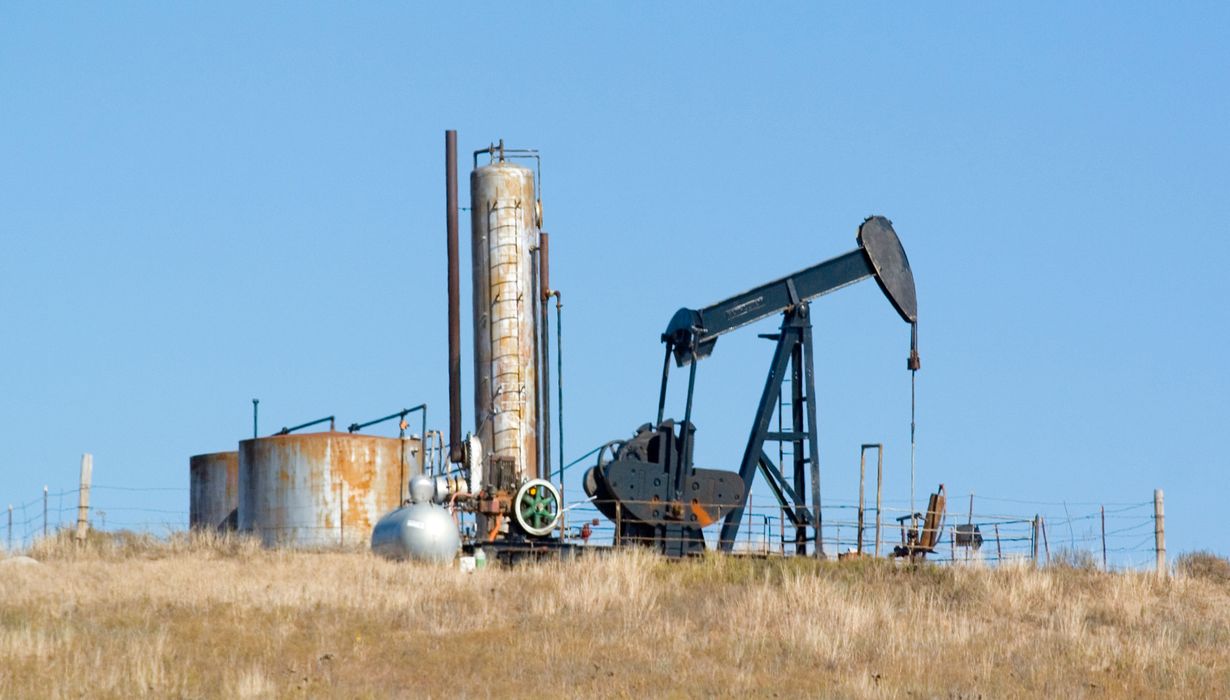
Ever wondered what life was like during the Osage Hills oil boom in Oklahoma? Imagine a time when small towns transformed overnight into bustling hubs of activity. The discovery of oil in the early 20th century brought wealth, excitement, and a unique culture to this region. People from all walks of life flocked to these boomtowns, hoping to strike it rich. Streets filled with new businesses, and the air buzzed with opportunity. But it wasn't all glitz and glamour; these towns faced challenges too. From lawlessness to environmental impacts, the boom had its downsides. Ready to dive into the fascinating history of Oklahoma's Osage Hills oil boomtowns? Let's go!
Oklahoma's Osage Hills: A Glimpse into the Past
The Osage Hills in Oklahoma hold a rich history of oil boomtowns that sprang up in the early 20th century. These towns, once bustling with life and industry, now serve as fascinating windows into a bygone era. Let's take a journey through some of these historic locations.
1. Bartlesville: The Heart of the Boom
Bartlesville stands as a testament to the oil boom's impact on the region. This town, founded in 1897, quickly became a hub for oil companies and workers.
- Phillips Petroleum Company: Founded here in 1917, it played a significant role in the town's growth.
- Frank Phillips Home: A mansion turned museum, offering a glimpse into the life of one of the oil barons.
- Price Tower: Designed by Frank Lloyd Wright, this skyscraper is a symbol of the town's prosperity.
2. Pawhuska: The Osage Nation's Capital
Pawhuska, the capital of the Osage Nation, experienced a dramatic transformation during the oil boom. The town's history is deeply intertwined with the Osage people and their oil wealth.
- Osage Nation Museum: The oldest tribal museum in the U.S., showcasing the history and culture of the Osage people.
- Immaculate Conception Church: Known for its stunning stained glass windows depicting the Osage people.
- Pioneer Woman Mercantile: A modern-day attraction, blending history with contemporary charm.
3. Fairfax: A Town of Contrasts
Fairfax, another key player in the oil boom, offers a mix of historic sites and modern attractions. The town's history is marked by both prosperity and tragedy.
- Fairfax Historical Society Museum: Preserves the town's rich history through exhibits and artifacts.
- Gray Horse Cemetery: A somber reminder of the Osage Reign of Terror, where many Osage people were murdered for their oil wealth.
- Fairfax Theatre: An old movie house that still shows films, keeping the town's cultural heritage alive.
4. Hominy: Art and Oil
Hominy, a small town with a big history, is known for its unique blend of art and oil heritage. The town's vibrant murals and historic sites tell the story of its past.
- Fred Drummond Home: A historic house museum that offers a glimpse into the life of a prominent rancher and businessman.
- Cha' Tullis Murals: Stunning murals depicting Native American life and history, painted by local artist Cha' Tullis.
- Osage County Historical Museum: Showcases artifacts and exhibits related to the oil boom and the Osage people.
5. Skiatook: From Boomtown to Modern Town
Skiatook, once a booming oil town, has transformed into a modern community while still preserving its historical roots. The town offers a mix of historic sites and contemporary attractions.
- Skiatook Museum: Housed in a former train depot, it features exhibits on the town's history and the oil boom.
- Osage Prairie Trail: A scenic trail that follows the path of an old railroad, perfect for hiking and biking.
- Skiatook Lake: A popular recreational spot, offering fishing, boating, and camping opportunities.
6. Barnsdall: A Town with a Unique Name
Barnsdall, originally known as Bigheart, was renamed after oilman Theodore N. Barnsdall. The town's history is closely tied to the oil industry and its colorful past.
- Bigheart Museum: Dedicated to preserving the history of Barnsdall and the surrounding area.
- Woolaroc Museum & Wildlife Preserve: Founded by oilman Frank Phillips, it features a museum, wildlife preserve, and ranch.
- Barnsdall Main Street: Lined with historic buildings, offering a glimpse into the town's past.
7. Shidler: A Small Town with Big History
Shidler, a small town with a rich history, played a significant role in the oil boom. The town's historic sites and museums offer a fascinating look into its past.
- Shidler Historical Society Museum: Features exhibits on the town's history and the oil industry.
- Bivin Garden: A beautiful garden and park, perfect for a relaxing stroll.
- Shidler School: An old school building that now serves as a community center and museum.
8. Avant: A Hidden Gem
Avant, a lesser-known town in the Osage Hills, has a unique history tied to the oil boom. The town's quiet charm and historic sites make it a hidden gem worth exploring.
- Avant Historical Society Museum: Showcases the town's history through exhibits and artifacts.
- Old Avant Bank Building: A historic building that now serves as a community center.
- Avant Cemetery: A peaceful resting place with graves dating back to the town's early days.
Oklahoma's Hidden Gems
Osage Hills' oil boomtowns offer a unique glimpse into Oklahoma's rich history. These towns, once bustling with activity, now stand as quiet reminders of a bygone era. Visiting places like Bartlesville, Pawhuska, and Fairfax lets you step back in time. You can explore historic buildings, learn about the oil boom, and see how these towns shaped the state's development.
These hidden gems are perfect for history buffs and adventure seekers alike. The stories of the people who lived and worked here are fascinating. Their legacy lives on in the architecture, museums, and local culture. Whether you're a local or a visitor, exploring these towns provides a deeper understanding of Oklahoma's past.
Don't miss out on the chance to discover the secrets of Osage Hills' oil boomtowns. It's a journey through time that you won't forget.
