Secrets Of Bald Eagle Wintering In Oklahoma’s Sequoyah National Wildlife Refuge
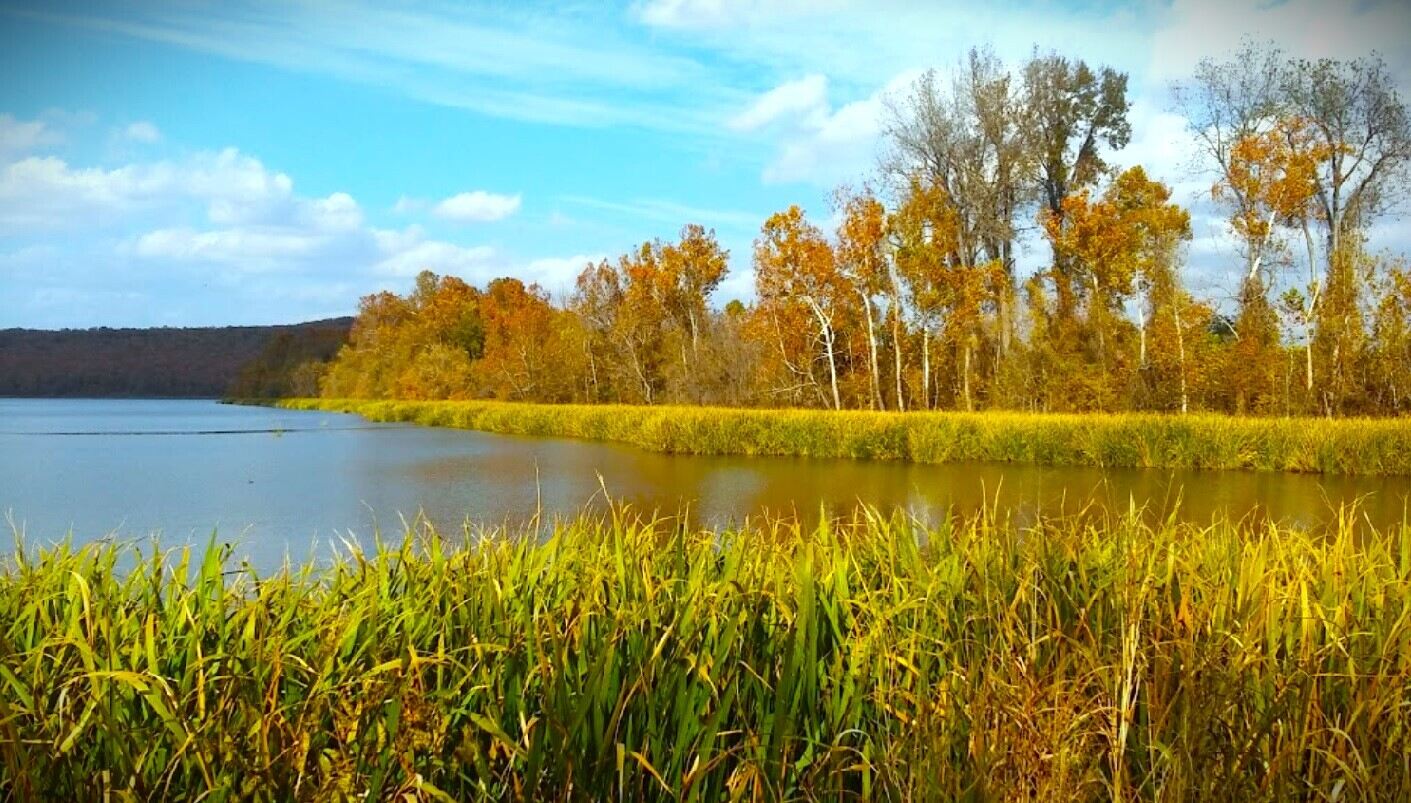
Have you ever wondered where bald eagles go during winter? One surprising spot is Oklahoma's Sequoyah National Wildlife Refuge. This hidden gem becomes a temporary home for these majestic birds from November through March. The refuge offers a unique chance to see bald eagles in their natural habitat, soaring above the Arkansas River or perched in tall trees. It's not just about the eagles, though. The refuge also hosts a variety of other wildlife, making it a must-visit for nature lovers. Ready to learn more about this winter wonderland? Let's dive into the secrets of bald eagle wintering in Oklahoma.
Bald Eagles in Oklahoma: A Winter Spectacle
Every winter, Oklahoma's Sequoyah National Wildlife Refuge becomes a haven for bald eagles. These majestic birds migrate here to escape the harsh northern winters, creating a breathtaking sight for bird watchers and nature enthusiasts. Let’s explore the best spots within the refuge to witness these incredible creatures.
Prime Viewing Locations
To catch a glimpse of bald eagles, knowing where to look is key. Here are some top spots within the refuge where you’re most likely to see them.
Robert S. Kerr Reservoir
This large body of water attracts bald eagles due to its abundance of fish. Early mornings and late afternoons are the best times to see eagles swooping down to catch their meals.Sequoyah National Wildlife Refuge Headquarters
The area around the headquarters offers several vantage points. The staff often provides updates on recent sightings, making it easier to find the best spots.Sandtown Bottoms
This area features open fields and waterways, perfect for spotting eagles perched on trees or soaring above. Bring binoculars for a closer look.Webbers Falls Lock and Dam
The dam area is another hotspot. Eagles are often seen fishing here, especially during colder months when other water sources freeze over.
Tips for a Successful Visit
Seeing bald eagles in their natural habitat is a thrilling experience. Here are some tips to make your visit more enjoyable and successful.
Timing is Everything
Bald eagles are most active during early morning and late afternoon. Plan your visit around these times for the best chance of sightings.
Bring the Right Gear
A good pair of binoculars or a spotting scope can enhance your viewing experience. Dress warmly and wear comfortable shoes for walking.
Respect Wildlife
Always maintain a safe distance from the eagles. Disturbing them can cause stress and disrupt their natural behaviors.
Other Wildlife to Watch For
While bald eagles are the main attraction, the refuge is home to a variety of other wildlife. Keep an eye out for these creatures during your visit.
White-tailed Deer
Often seen grazing in open fields, these graceful animals add to the refuge's charm.Great Blue Herons
These large wading birds are commonly found near water bodies. Their slow, deliberate movements make them easy to spot.American White Pelicans
These impressive birds often gather in large flocks. Look for them gliding over the water or resting on sandbars.River Otters
Playful and curious, river otters can sometimes be seen swimming or playing along the water’s edge.
Best Times to Visit
While winter is prime time for bald eagle sightings, the refuge offers year-round opportunities for wildlife viewing. Here’s a quick guide to the best times for different activities.
Winter (December to February)
Ideal for bald eagle watching. The cold weather drives eagles to the area, making it the best season for sightings.
Spring (March to May)
A great time for bird watching as migratory birds pass through. Wildflowers also begin to bloom, adding color to the landscape.
Summer (June to August)
Though hotter, summer offers opportunities to see a variety of wildlife, including deer and waterfowl. Early mornings and late evenings are best to avoid the heat.
Fall (September to November)
The changing leaves create a beautiful backdrop for wildlife viewing. This season also sees the return of migratory birds heading south.
Plan Your Visit
Planning ahead can make your trip to Sequoyah National Wildlife Refuge more enjoyable. Here are some final tips to help you prepare.
Check the Weather
Weather can be unpredictable. Check the forecast before heading out to ensure a comfortable visit.
Pack Snacks and Water
There are limited facilities within the refuge. Bringing your own snacks and water will keep you energized throughout the day.
Follow Refuge Rules
Respect the guidelines set by the refuge to protect the wildlife and their habitats. This ensures a safe and enjoyable experience for everyone.
By following these tips and knowing the best spots, you’ll have a memorable experience watching bald eagles and other wildlife at Sequoyah National Wildlife Refuge.
Witness the Majesty of Bald Eagles in Oklahoma
Bald eagles flock to Oklahoma's Sequoyah National Wildlife Refuge each winter. This refuge offers a unique chance to see these majestic birds up close. With its rich habitats and abundant food sources, the refuge becomes a haven for eagles escaping colder climates.
Visitors can enjoy guided tours, educational programs, and scenic views. The refuge's staff works hard to protect the eagles and their environment, ensuring a safe and thriving habitat.
Planning a trip to Sequoyah National Wildlife Refuge promises an unforgettable experience. Whether you're a bird enthusiast or just love nature, witnessing bald eagles in their winter home is a sight to behold. Pack your binoculars, dress warmly, and get ready for an adventure that connects you with one of America's most iconic birds.