Secrets Of North Dakota’s Prairie Climate Projects
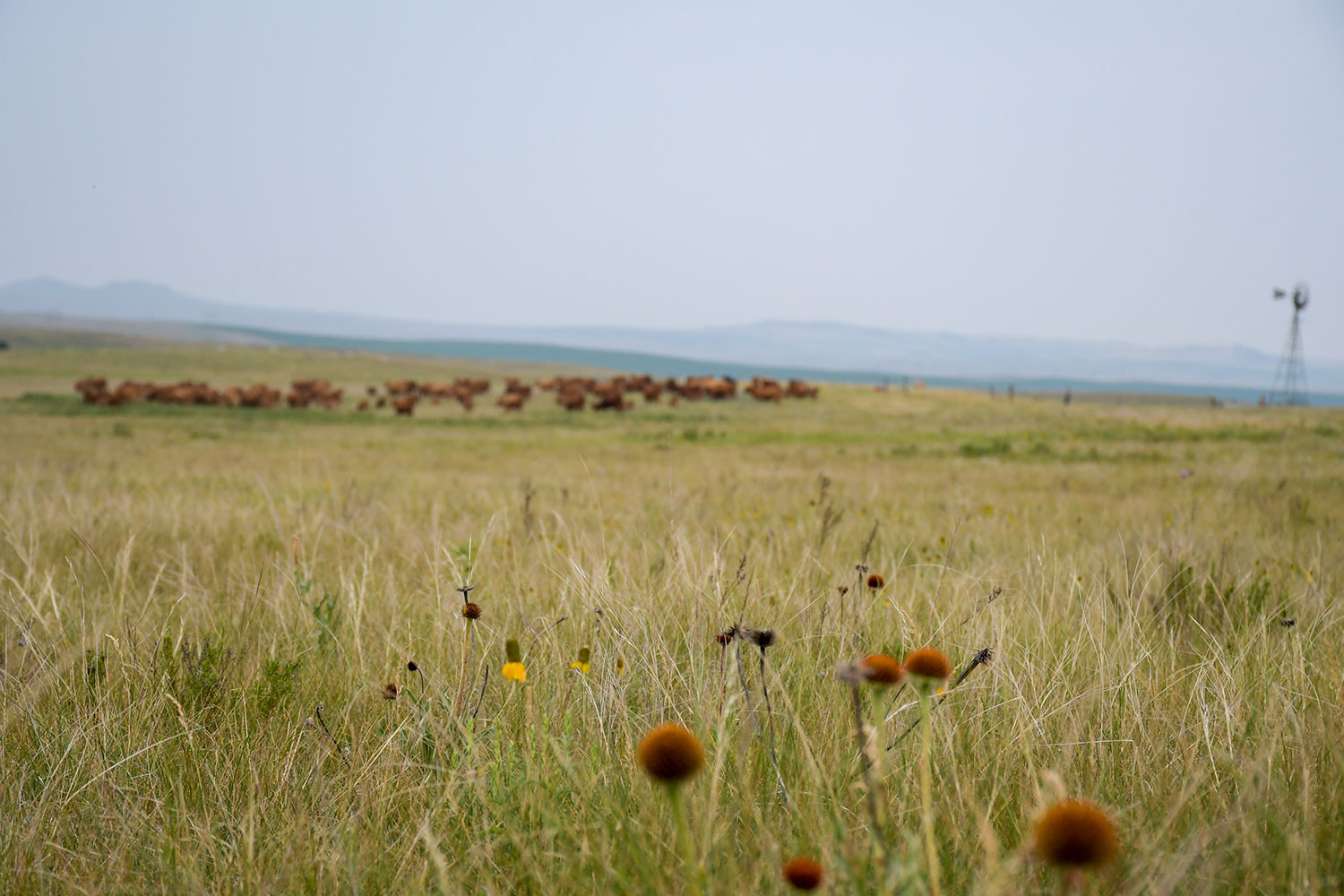
Have you ever wondered what makes North Dakota's prairie climate so unique? This vast region, often overlooked, holds secrets that many travelers miss. From its rolling hills to the expansive skies, North Dakota offers a landscape unlike any other. The prairie climate here is a blend of extremes, with hot summers and frigid winters. These conditions shape not just the land but also the way of life for those who call it home. Whether you're a nature enthusiast or just curious about different climates, understanding North Dakota's prairie environment can offer a fresh perspective on this hidden gem of a state.
North Dakota's Prairie Climate Projects: An Overview
North Dakota's vast prairies are not just a sight to behold; they are also home to some fascinating climate projects. These initiatives aim to preserve the natural beauty of the region while addressing climate change. Let's take a closer look at some of these remarkable projects.
Grassland Restoration Efforts
Restoring grasslands is crucial for maintaining biodiversity and combating climate change. North Dakota has several projects dedicated to this cause.
Sheyenne National Grassland: This project focuses on restoring native grasses and plants. Volunteers and scientists work together to remove invasive species and reintroduce native flora.
Prairie Pothole Region: Known as the "duck factory" of North America, this area is vital for waterfowl. Conservation efforts here include wetland restoration and protection of nesting habitats.
Renewable Energy Initiatives
Harnessing renewable energy is key to reducing carbon emissions. North Dakota is making strides in this area with several innovative projects.
North Dakota Wind Energy Center: One of the largest wind farms in the state, it generates enough electricity to power thousands of homes. The project also provides jobs and supports local economies.
Solar Energy Pilot Programs: Various pilot programs are testing the viability of solar energy in the prairie climate. These projects aim to determine the best practices for large-scale solar installations.
Soil Health Improvement Programs
Healthy soil is the foundation of a thriving ecosystem. North Dakota's soil health programs focus on sustainable farming practices that benefit both the environment and local farmers.
Cover Crop Initiative: This program encourages farmers to plant cover crops, which improve soil health, reduce erosion, and increase water retention. The initiative also provides financial incentives for participating farmers.
No-Till Farming Projects: By reducing soil disturbance, no-till farming helps maintain soil structure and fertility. These projects promote the adoption of no-till practices across the state.
Wildlife Conservation Projects
Protecting wildlife is essential for maintaining ecological balance. North Dakota's conservation projects aim to safeguard various species and their habitats.
Bison Reintroduction Programs: Efforts are underway to reintroduce bison to their native habitats. These majestic animals play a crucial role in maintaining prairie ecosystems.
Pollinator Habitat Restoration: Pollinators like bees and butterflies are vital for plant reproduction. Projects focus on creating and preserving habitats that support these important creatures.
Community Involvement and Education
Engaging the community is vital for the success of climate projects. North Dakota offers various programs to educate and involve residents in environmental conservation.
Prairie Learning Center: This center provides educational programs and workshops on prairie ecology and conservation. It aims to inspire the next generation of environmental stewards.
Citizen Science Initiatives: Residents can participate in data collection and monitoring efforts. These initiatives empower individuals to contribute to scientific research and conservation efforts.
Embracing North Dakota's Prairie Climate Projects
North Dakota's prairie climate projects offer a unique blend of innovation and sustainability. These initiatives focus on renewable energy, carbon sequestration, and biodiversity conservation. By harnessing the power of wind and solar energy, the state reduces its carbon footprint while providing clean energy. Carbon sequestration projects capture and store carbon dioxide, helping to mitigate climate change. Efforts to preserve biodiversity ensure that native species thrive, maintaining the ecological balance.
These projects not only benefit the environment but also boost the local economy by creating jobs and attracting investments. They serve as a model for other regions looking to address climate change and promote sustainable development. Embracing these initiatives can lead to a greener, more resilient future for North Dakota and beyond.