

Secrets Of North Carolina’s Waterfall Stream Ecology
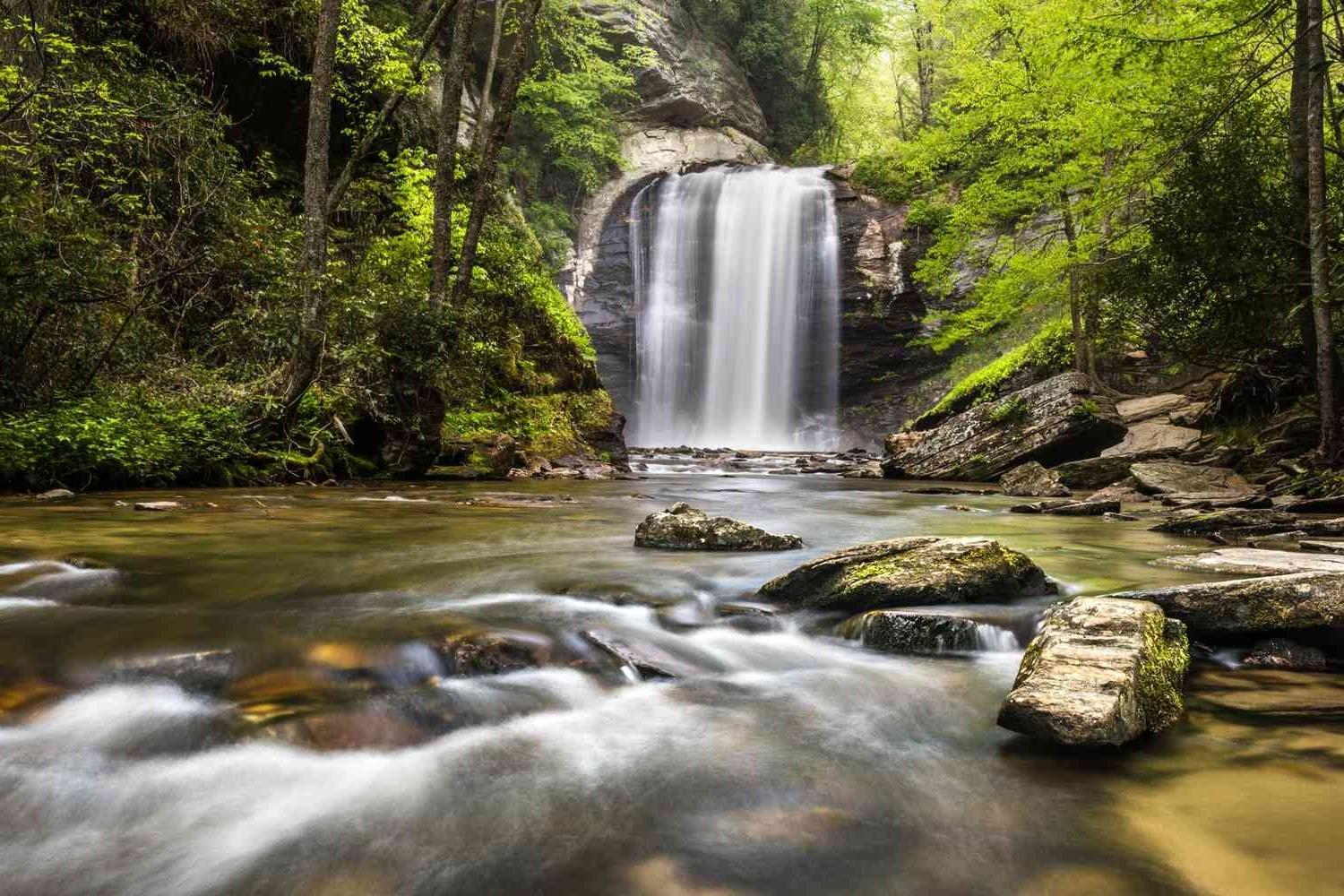
Have you ever wondered what makes North Carolina's waterfall streams so special? These streams are more than just beautiful sights. They are home to unique plants and animals that thrive in the rushing water. The fast-moving water creates a cool, oxygen-rich environment perfect for many species. Fish, insects, and even some rare plants call these streams home. Understanding the waterfall stream ecology helps us appreciate the delicate balance of nature. Next time you visit a waterfall in North Carolina, take a moment to think about the hidden world beneath the surface. You might be surprised by what you find!
Discovering North Carolina's Waterfall Stream Ecology
North Carolina boasts some of the most stunning waterfalls in the United States. These natural wonders are not just beautiful; they play a crucial role in the local ecosystem. Let's dive into the secrets of North Carolina's waterfall stream ecology and explore some of the best spots to witness this natural phenomenon.
The Role of Waterfalls in Stream Ecology
Waterfalls are more than just scenic spots. They contribute to the health of the stream ecosystem by oxygenating the water, creating habitats for various species, and influencing the distribution of nutrients. Here are some places where you can see these ecological wonders in action.
1. Linville Falls
Linville Falls, located in the Blue Ridge Mountains, is a prime example of how waterfalls contribute to stream ecology. The falls oxygenate the water, which supports a diverse range of aquatic life. The surrounding area is home to various plant species that thrive in the moist environment created by the waterfall.
2. Looking Glass Falls
Looking Glass Falls in Pisgah National Forest is another excellent spot to observe waterfall stream ecology. The constant flow of water creates a habitat for mosses and ferns, which in turn support insects and other small creatures. This waterfall is easily accessible, making it a great spot for a quick visit.
3. Crabtree Falls
Crabtree Falls, also in the Blue Ridge Mountains, offers a unique opportunity to see how waterfalls impact stream ecology. The falls create a misty environment that supports a variety of plant and animal life. The surrounding area is rich in biodiversity, making it a perfect spot for nature enthusiasts.
Waterfalls as Habitats
Waterfalls create unique habitats that support a wide range of species. The constant flow of water and the misty environment provide ideal conditions for various plants and animals. Here are some waterfalls where you can observe these habitats.
4. Hickory Nut Falls
Hickory Nut Falls in Chimney Rock State Park is a stunning example of a waterfall creating a unique habitat. The falls provide a constant source of moisture, which supports a variety of plant species. The area around the falls is also home to various bird species that thrive in the lush environment.
5. High Shoals Falls
High Shoals Falls in South Mountains State Park is another excellent spot to observe waterfall habitats. The falls create a cool, moist environment that supports a variety of plant and animal life. The surrounding area is rich in biodiversity, making it a great spot for nature lovers.
6. Mingo Falls
Mingo Falls, located on the Cherokee Indian Reservation, is one of the tallest waterfalls in the region. The falls create a unique habitat that supports a variety of plant and animal species. The area around the falls is rich in biodiversity, making it a perfect spot for nature enthusiasts.
Waterfalls and Nutrient Distribution
Waterfalls play a crucial role in distributing nutrients throughout the stream ecosystem. The constant flow of water helps to distribute nutrients, which supports a wide range of plant and animal life. Here are some waterfalls where you can observe this process.
7. Whitewater Falls
Whitewater Falls, located in the Nantahala National Forest, is one of the highest waterfalls in the eastern United States. The falls play a crucial role in distributing nutrients throughout the stream ecosystem. The surrounding area is rich in biodiversity, making it a great spot for nature enthusiasts.
8. Triple Falls
Triple Falls in DuPont State Forest is another excellent spot to observe nutrient distribution in action. The falls create a constant flow of water that helps to distribute nutrients throughout the stream ecosystem. The surrounding area is home to a variety of plant and animal species, making it a perfect spot for nature lovers.
9. Rainbow Falls
Rainbow Falls, also located in the Nantahala National Forest, is a stunning example of how waterfalls contribute to nutrient distribution. The falls create a constant flow of water that helps to distribute nutrients throughout the stream ecosystem. The surrounding area is rich in biodiversity, making it a great spot for nature enthusiasts.
Embracing North Carolina's Waterfall Streams
North Carolina's waterfall streams offer more than just stunning views. They are home to diverse ecosystems, providing habitats for unique plants and animals. Exploring these streams reveals the intricate relationships between water, land, and life. Understanding this ecology helps us appreciate the delicate balance nature maintains.
Visiting these natural wonders encourages conservation efforts, ensuring these ecosystems thrive for future generations. Whether you're hiking, photographing, or simply enjoying the serenity, each visit deepens your connection to nature.
Next time you find yourself near one of North Carolina's waterfalls, take a moment to observe the life around you. Notice the plants clinging to rocks, the insects skimming the water's surface, and the fish darting below. Each element plays a crucial role in the ecosystem's health.
By appreciating and protecting these streams, we contribute to preserving North Carolina's natural beauty and ecological diversity.
