

Secrets Of North Carolina’s Coastal Research Programs
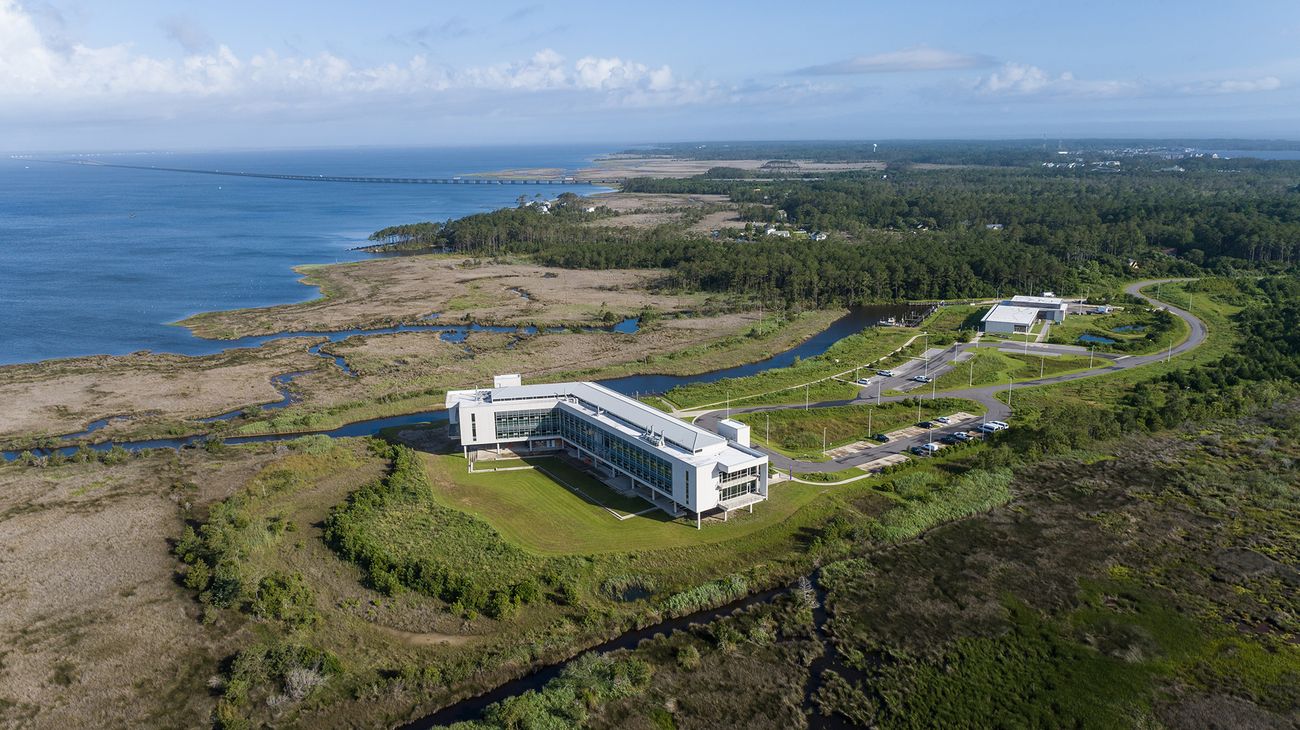
Have you ever wondered what makes North Carolina's coast so special? It's not just the stunning beaches or charming seaside towns. The real magic lies in the coastal research programs that help preserve this beautiful region. These programs study everything from marine life to erosion, ensuring that the coast remains vibrant and healthy. Scientists and researchers work tirelessly to understand the delicate balance of ecosystems, providing valuable insights that benefit both nature and local communities. Whether you're a curious traveler or a budding scientist, North Carolina's coastal research offers a fascinating glimpse into the efforts to protect and sustain our natural treasures.
Discovering North Carolina's Coastal Research Programs
North Carolina's coastline is a treasure trove of natural beauty and scientific discovery. From marine biology to environmental conservation, the state boasts numerous research programs dedicated to understanding and preserving its coastal ecosystems. Let's dive into some of the most fascinating coastal research programs in North Carolina.
Marine Biology Research at UNC Institute of Marine Sciences
The University of North Carolina's Institute of Marine Sciences (IMS) in Morehead City is a hub for marine biology research. Scientists here study everything from fish populations to water quality, contributing valuable knowledge to the field.
- Fish Ecology Lab: Researchers focus on the behavior, population dynamics, and conservation of fish species.
- Coastal Habitat Program: This program aims to understand and protect the diverse habitats found along the North Carolina coast.
- Water Quality Monitoring: Continuous monitoring of water quality helps identify pollution sources and develop strategies for improvement.
Coastal Studies Institute: A Collaborative Effort
Located in Wanchese, the Coastal Studies Institute (CSI) is a collaborative effort involving several universities. CSI conducts interdisciplinary research to address coastal issues and promote sustainable practices.
- Renewable Ocean Energy Program: Investigates the potential of harnessing ocean energy to provide sustainable power.
- Estuarine Ecology and Human Health: Studies the relationship between estuarine environments and human health, focusing on waterborne diseases and pollution.
- Coastal Engineering and Resilience: Develops engineering solutions to protect coastal communities from erosion and sea-level rise.
Duke University Marine Lab: A Leader in Marine Science
Duke University's Marine Lab in Beaufort is renowned for its cutting-edge research in marine science. The lab's work spans various disciplines, from marine conservation to oceanography.
- Marine Conservation Ecology: Focuses on the conservation of marine species and habitats, including endangered species.
- Oceanography and Climate Change: Studies the impact of climate change on ocean systems and marine life.
- Marine Robotics and Technology: Develops advanced technologies for exploring and monitoring the ocean.
North Carolina Sea Grant: Bridging Science and Community
North Carolina Sea Grant is a federal-state partnership that supports research, education, and outreach to enhance the sustainable use of coastal resources.
- Fisheries and Aquaculture: Supports sustainable fishing practices and the development of aquaculture.
- Coastal Hazards and Resilience: Provides communities with tools and knowledge to prepare for and respond to coastal hazards.
- Healthy Coastal Ecosystems: Promotes the conservation and restoration of coastal ecosystems through research and community engagement.
NOAA Beaufort Laboratory: Federal Research on the Coast
The National Oceanic and Atmospheric Administration (NOAA) operates the Beaufort Laboratory, which conducts vital research on marine and coastal ecosystems.
- Marine Mammal Program: Studies the health and behavior of marine mammals, including dolphins and whales.
- Fisheries Biology: Researches fish populations and their habitats to support sustainable fisheries management.
- Coral Reef Conservation: Works to protect and restore coral reefs, which are crucial to marine biodiversity.
East Carolina University's Coastal Resources Management Program
East Carolina University (ECU) offers a unique Coastal Resources Management (CRM) program that combines natural and social sciences to address coastal issues.
- Coastal Policy and Management: Examines the effectiveness of policies and management strategies in protecting coastal resources.
- Environmental Health: Investigates the impact of environmental factors on human health in coastal areas.
- Geospatial Analysis: Uses advanced mapping and data analysis techniques to study coastal changes and inform decision-making.
Discovering Coastal Wonders
North Carolina's coastal research programs offer a unique glimpse into the region's natural beauty and scientific advancements. These initiatives not only protect fragile ecosystems but also provide valuable data for future generations. From studying marine life to understanding coastal erosion, these programs play a crucial role in preserving the coastline.
Visitors can explore research centers, participate in educational tours, and even volunteer for hands-on projects. Engaging with these programs enriches your travel experience and deepens your appreciation for the environment.
Whether you're a science enthusiast or just love the beach, North Carolina's coastal research programs have something for everyone. They blend education, conservation, and adventure, making your visit both informative and memorable. So next time you find yourself on the North Carolina coast, take a moment to dive into the fascinating world of coastal research. You'll leave with a newfound respect for this incredible region.
