

Secrets Of North Carolina’s Ancient Fish Weirs Cape Fear
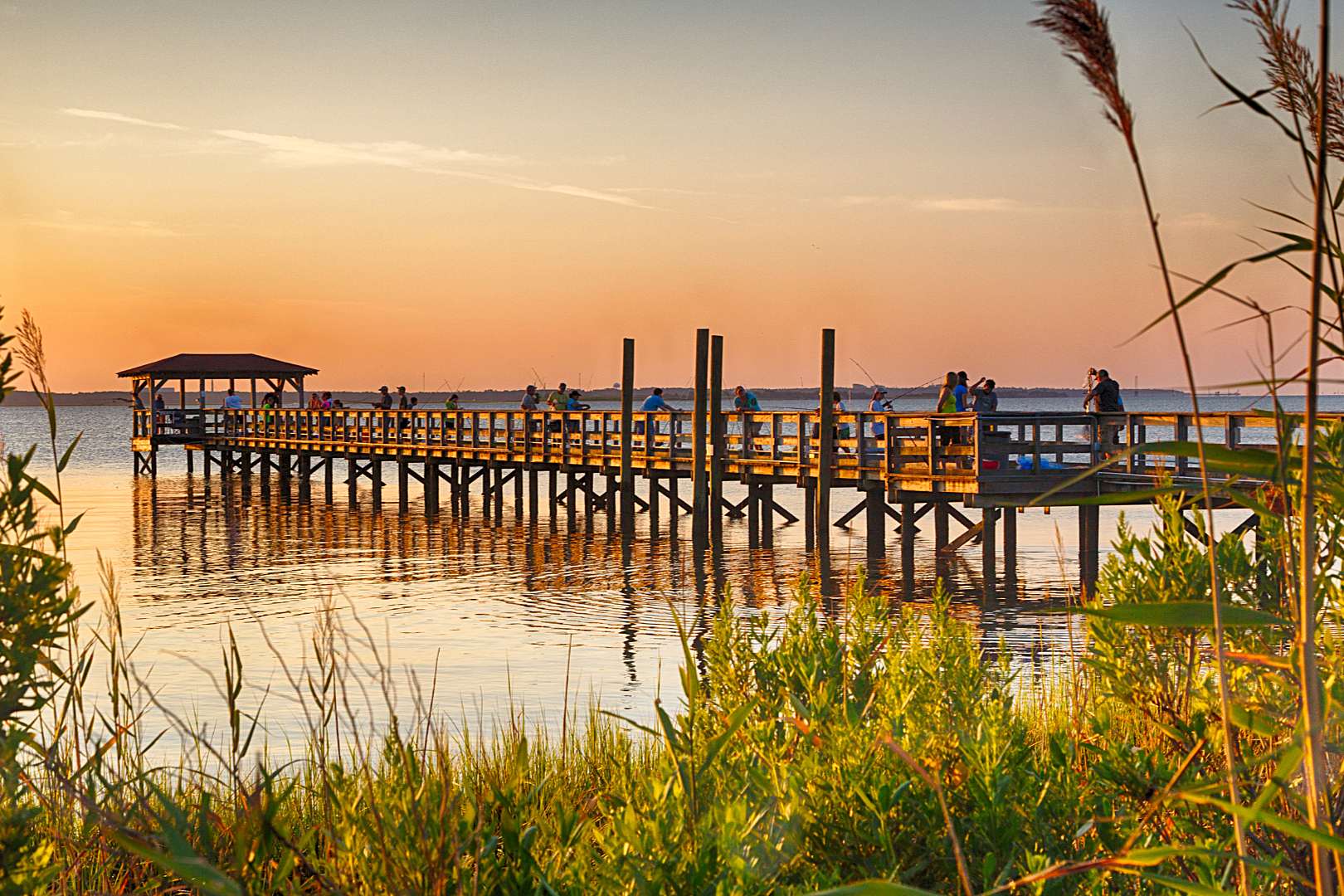
Have you ever wondered about the ancient fish weirs in North Carolina's Cape Fear River? These stone structures, built by Native Americans, have stood the test of time. They offer a glimpse into the past, showing how early inhabitants fished and lived. Located in the Cape Fear River, these weirs are not just historical artifacts but also engineering marvels. They were designed to catch fish efficiently, using the river's natural flow. Today, they serve as a reminder of the ingenuity and resourcefulness of those who came before us. Ready to learn more about these fascinating structures? Let's dive in!
Discovering North Carolina's Ancient Fish Weirs
North Carolina's Cape Fear River holds a secret. Hidden beneath its waters lie ancient fish weirs, structures used by Native Americans to catch fish. These weirs, made from stones and wood, have stood the test of time. Let's explore some of the most fascinating ones.
1. The Lock and Dam No. 1 Weir
Located near Riegelwood, this weir is a marvel. It stretches across the river, forming a V-shape. Fish swim into the narrow end, making them easy to catch. This weir shows the ingenuity of ancient fishing techniques.
2. The Elizabethtown Weir
Just upstream from Elizabethtown, this weir is partially submerged. During low water levels, its stone structure becomes visible. It's a reminder of how ancient communities relied on the river for sustenance.
3. The Tar Heel Weir
Near the town of Tar Heel, this weir is one of the best-preserved. Its stones are still neatly arranged, forming a clear path for fish. It's a testament to the skill and knowledge of its builders.
4. The Fayetteville Weir
This weir, found near Fayetteville, is unique. Unlike others, it uses wooden stakes driven into the riverbed. These stakes have survived centuries, showcasing the durability of ancient construction methods.
5. The Lillington Weir
Close to Lillington, this weir is partially hidden by vegetation. Its stones peek out from the water, hinting at its past. It's a quiet spot, perfect for imagining the bustling activity it once saw.
6. The Erwin Weir
Near Erwin, this weir is a bit of a mystery. Its exact age is unknown, but it's believed to be one of the oldest. Its stones are worn smooth by the river, telling a story of countless seasons.
7. The Averasboro Weir
Located near the historic Averasboro Battlefield, this weir is a blend of history. It connects the ancient past with more recent events. Its stones lie in a gentle curve, guiding fish into traps.
8. The Smithfield Weir
This weir, found near Smithfield, is a hidden gem. It's often overlooked, but its structure is impressive. Large stones form a zigzag pattern, creating multiple fish traps.
9. The Goldsboro Weir
Near Goldsboro, this weir is partially buried in silt. During dry spells, its stones emerge, revealing its full shape. It's a reminder of how nature and history intertwine.
10. The Wilmington Weir
Close to Wilmington, this weir is the most accessible. It's near a popular fishing spot, making it easy to visit. Its stones form a gentle arc, guiding fish into waiting nets.
11. The Burgaw Weir
Near Burgaw, this weir is surrounded by lush greenery. Its stones are moss-covered, blending into the landscape. It's a peaceful spot, perfect for reflecting on the past.
12. The Rocky Point Weir
Located near Rocky Point, this weir is partially submerged. Its stones form a straight line, leading fish into traps. It's a simple yet effective design, showcasing ancient engineering skills.
13. The Castle Hayne Weir
Near Castle Hayne, this weir is a bit of a challenge to find. It's hidden by dense vegetation, but its stones are well-preserved. It's a rewarding find for those who seek it out.
14. The Kelly Weir
Close to the small town of Kelly, this weir is a local treasure. Its stones form a gentle curve, guiding fish into traps. It's a quiet spot, perfect for a peaceful visit.
15. The White Oak Weir
Near White Oak, this weir is partially hidden by the river's flow. Its stones peek out during low water, revealing its shape. It's a reminder of the river's ancient past.
The Timeless Allure of Cape Fear's Fish Weirs
Cape Fear's ancient fish weirs offer a unique glimpse into the past. These structures, crafted by Native Americans, showcase their ingenuity and deep connection to nature. Visiting these sites provides a tangible link to history, allowing us to appreciate the resourcefulness of early inhabitants.
Exploring the fish weirs also highlights the importance of preserving cultural heritage. As we learn about these ancient techniques, we gain a greater understanding of sustainable practices and the balance between humans and the environment.
Whether you're a history buff, nature lover, or simply curious, Cape Fear's fish weirs are a must-see. They remind us of the rich tapestry of human history woven into the landscape of North Carolina. So next time you're in the area, take a moment to visit these remarkable sites and reflect on the timeless wisdom they represent.
