Secrets Of Niagara Falls Research Sites
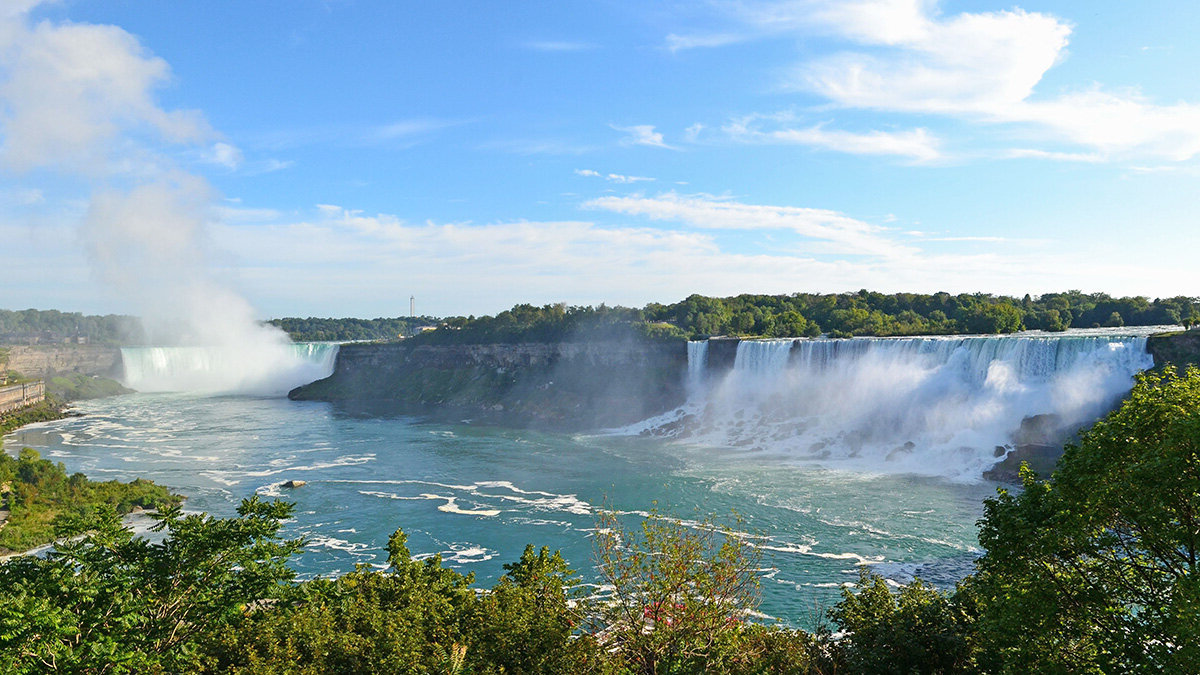
Have you ever wondered what makes Niagara Falls such a captivating destination? This natural wonder, straddling the border between the United States and Canada, draws millions of visitors each year. But beyond the breathtaking views and roaring waters, there's much more to uncover. From the history of the falls to the best viewpoints and hidden gems, this guide will help you make the most of your visit. Whether you're planning a family trip, a romantic getaway, or an adventure with friends, Niagara Falls offers something for everyone. Ready to dive into the secrets of this iconic landmark? Let's get started!
Secrets of Niagara Falls Research Sites
Niagara Falls is more than just a breathtaking natural wonder. It's also a hub for scientific research and exploration. From geology to hydrology, researchers flock to this area to study its unique features. Here are some of the top research sites around Niagara Falls that you should know about.
Geological Research Sites
The geological formations around Niagara Falls have fascinated scientists for centuries. These sites offer a glimpse into the Earth's history and the forces that shaped this iconic landmark.
Niagara Gorge
- The Niagara Gorge provides a natural laboratory for studying rock layers and fossil records. Researchers examine the exposed strata to understand the geological history of the region.
Whirlpool State Park
- This park is famous for its whirlpool and rapids, which are ideal for studying erosion and sediment transport. Scientists often conduct fieldwork here to analyze the impact of water flow on rock formations.
Hydrological Research Sites
The immense flow of water over Niagara Falls makes it a prime location for hydrological studies. Researchers focus on water quality, flow rates, and the impact of human activities on this natural resource.
International Joint Commission (IJC)
- The IJC monitors water levels and quality in the Great Lakes and Niagara River. Their research helps manage water resources and ensures the health of the ecosystem.
Niagara Power Project
- This hydroelectric power plant is a key site for studying the relationship between energy production and water management. Researchers analyze how water diversion affects the falls and surrounding areas.
Ecological Research Sites
Niagara Falls is home to diverse ecosystems that provide valuable data for ecological studies. These sites help scientists understand the interactions between species and their environments.
Niagara Parks Butterfly Conservatory
- This conservatory is not just a tourist attraction; it's also a research facility. Scientists study butterfly behavior, breeding patterns, and the impact of climate change on these delicate creatures.
Niagara Glen Nature Reserve
- The Niagara Glen offers a rich biodiversity, making it an ideal spot for ecological research. Researchers study plant and animal species to monitor ecosystem health and biodiversity.
Historical Research Sites
The history of Niagara Falls is as captivating as its natural beauty. Historical research sites provide insights into the cultural and social impact of the falls over the centuries.
Old Fort Niagara
- This historic site offers a wealth of information about the military history of the region. Researchers study artifacts and documents to understand the strategic importance of the falls in various conflicts.
Niagara Falls History Museum
- The museum houses extensive archives and exhibits that chronicle the development of Niagara Falls. Historians and researchers delve into these resources to uncover stories of the past.
Environmental Research Sites
Environmental research at Niagara Falls focuses on conservation and sustainability. These sites are crucial for developing strategies to protect this natural wonder for future generations.
Niagara River Greenway
- This initiative aims to create a sustainable environment along the Niagara River. Researchers work on projects related to habitat restoration, pollution control, and public education.
Niagara Escarpment Biosphere Reserve
- Designated by UNESCO, this biosphere reserve is a hotspot for environmental research. Scientists study the unique flora and fauna, as well as the impact of human activities on the ecosystem.
Discovering Niagara Falls Research Sites
Niagara Falls offers more than just stunning views. The research sites around the falls provide a deeper understanding of its natural wonders. From geological studies to environmental conservation efforts, these sites are crucial for preserving the falls' beauty and ecosystem. Visiting these locations gives a unique perspective on how scientists work to maintain this natural marvel.
Exploring these research sites can be both educational and inspiring. You'll learn about the history, geology, and ongoing efforts to protect the area. Whether you're a science enthusiast or just curious, these sites offer valuable insights.
Next time you visit Niagara Falls, take some time to explore these research spots. They add a rich layer to your experience, making your trip even more memorable. So, pack your curiosity and get ready to uncover the secrets behind one of the world's most famous natural attractions.