

Secrets Of Wolf Reintroduction In New Mexico’s Gila Wilderness
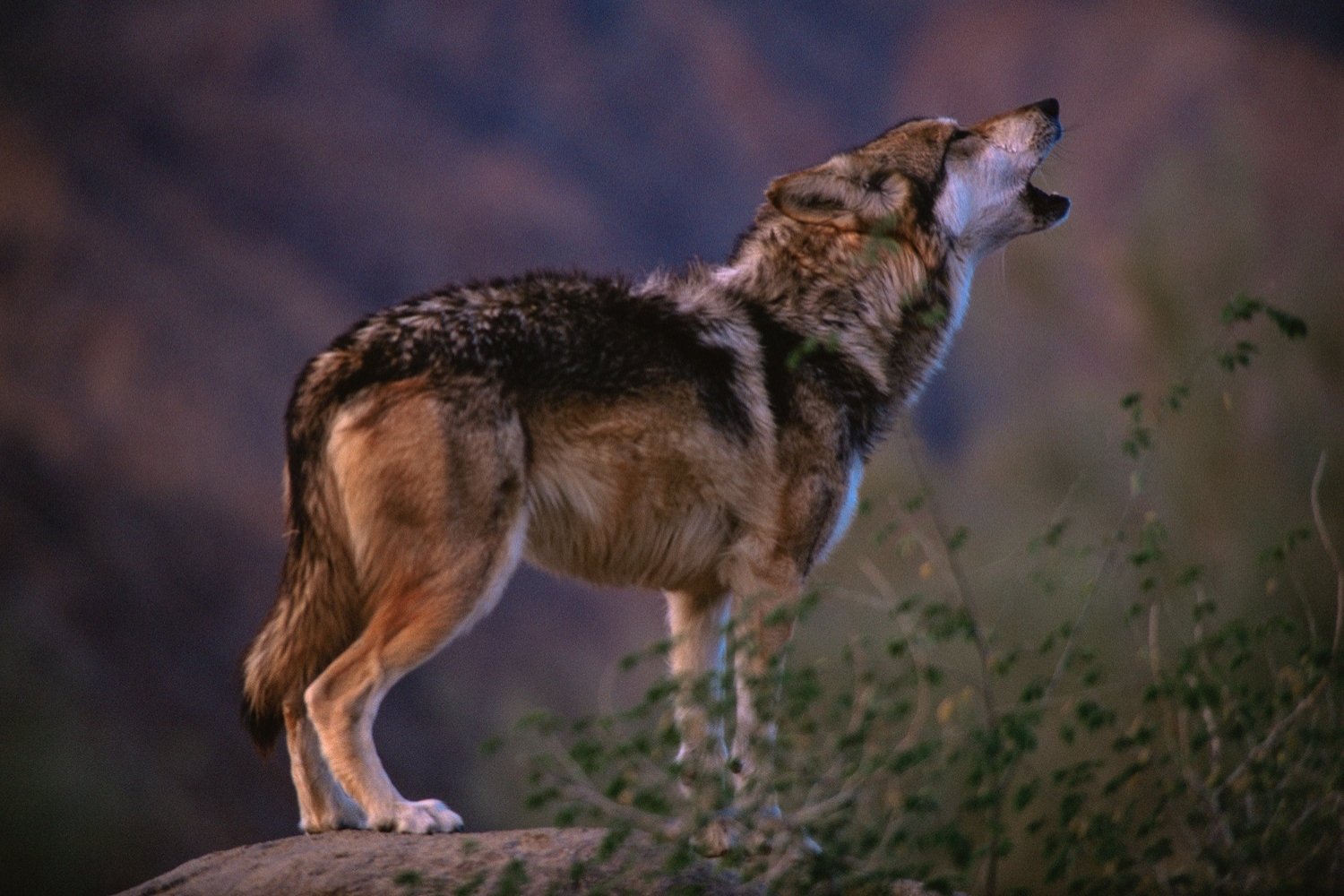
Have you ever wondered about the wolf reintroduction efforts in New Mexico's Gila Wilderness? This vast, rugged area is home to a fascinating project aimed at bringing back the Mexican gray wolf. Once nearly extinct, these wolves are now making a comeback thanks to dedicated conservationists. The Gila Wilderness offers the perfect habitat with its dense forests, rivers, and abundant prey. However, the journey hasn't been easy. Challenges like human-wildlife conflict and habitat loss have made the process complex. Yet, the sight of these majestic creatures roaming free again is a testament to the resilience of nature and the power of conservation.
The Gila Wilderness: A Perfect Habitat
The Gila Wilderness in New Mexico is a vast, rugged area that provides an ideal habitat for wolves. With its diverse landscapes, ranging from dense forests to open meadows, it offers everything wolves need to thrive. Here are some key places within the Gila Wilderness where wolf reintroduction efforts have been focused.
Mogollon Mountains
- These mountains provide a mix of dense forests and open areas, perfect for wolves to hunt and roam. The varied terrain supports a rich ecosystem, making it an excellent spot for reintroduction.
San Francisco River
- This river corridor offers a reliable water source and abundant prey. Wolves can find deer, elk, and other animals along the riverbanks, making it a prime location for establishing packs.
Aldo Leopold Wilderness
- Named after the famous conservationist, this area is known for its pristine landscapes and minimal human interference. It provides a safe haven for wolves to establish territories and raise their young.
Challenges of Wolf Reintroduction
Reintroducing wolves into the Gila Wilderness is not without its challenges. Human-wildlife conflict, habitat fragmentation, and ensuring genetic diversity are just a few of the hurdles. Here are some areas where these challenges are being addressed.
Gila National Forest
- Efforts here focus on creating corridors that connect different parts of the forest, allowing wolves to move freely and find mates from other packs. This helps maintain genetic diversity and reduces inbreeding.
Catron County
- This area has seen significant efforts to mitigate human-wolf conflicts. Programs are in place to educate ranchers and provide compensation for livestock losses, fostering coexistence between wolves and humans.
Success Stories in Wolf Reintroduction
Despite the challenges, there have been notable successes in the reintroduction efforts. These successes provide hope and valuable lessons for future conservation projects.
Blue Range Wolf Recovery Area
- This area has seen a steady increase in wolf populations. Monitoring and management efforts have been successful, with several packs now thriving in the region.
Apache National Forest
- Located adjacent to the Gila Wilderness, this forest has also been a focal point for reintroduction. Collaborative efforts between state and federal agencies have led to a growing wolf population.
The Future of Wolves in the Gila Wilderness
The future looks promising for wolves in the Gila Wilderness, thanks to ongoing conservation efforts and community support. Here are some areas where future efforts will be concentrated.
Gila Cliff Dwellings National Monument
- This area offers a unique blend of historical significance and natural beauty. Future plans include expanding wolf territories into this region, ensuring they have ample space to thrive.
Black Range
- This mountain range is another potential area for future reintroduction efforts. Its remote location and diverse habitats make it an ideal candidate for expanding wolf populations.
The Future of Wolves in New Mexico
Wolf reintroduction in New Mexico's Gila Wilderness has been a game-changer for the ecosystem. These majestic creatures help balance wildlife populations, which in turn supports plant life and other animals. Local communities have seen both challenges and benefits, from livestock concerns to increased tourism.
Efforts to monitor and support the wolf population are ongoing. Conservationists and scientists work tirelessly to ensure these wolves thrive. Public education and community involvement are crucial for long-term success.
The journey is far from over, but the progress made so far is promising. With continued support and understanding, wolves can once again become a stable part of New Mexico's natural landscape. This reintroduction not only benefits the environment but also enriches the cultural and natural heritage of the region.
