Secrets Of New Mexico’s Pueblo Bonito Villages
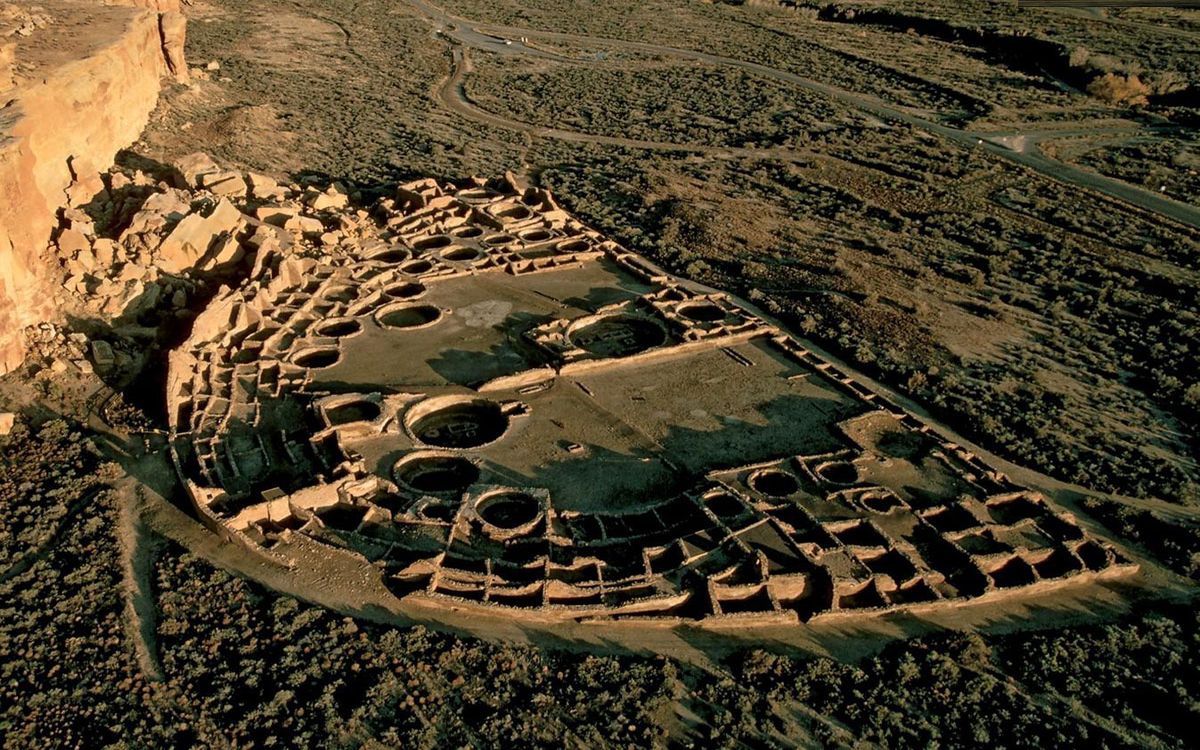
Have you ever wondered about the ancient secrets hidden in New Mexico's Pueblo Bonito villages? These incredible structures, built by the Ancestral Puebloans, offer a glimpse into a civilization that thrived over a thousand years ago. Located in Chaco Canyon, Pueblo Bonito stands as a testament to their architectural genius and cultural richness. Imagine walking through the same rooms where ancient people once lived, traded, and celebrated. The intricate stonework and unique layout of these villages reveal much about their daily lives and spiritual beliefs. Ready to step back in time and explore the mysteries of Pueblo Bonito? Let's dive into the fascinating history and significance of this remarkable site.
Secrets of New Mexico's Pueblo Bonito Villages
New Mexico's Pueblo Bonito Villages hold a treasure chest of history and culture. These ancient ruins, nestled in the heart of Chaco Canyon, offer a glimpse into the lives of the Ancestral Puebloans. Let's uncover the secrets of these fascinating sites.
The Great Kiva
The Great Kiva is a massive, circular structure that served as a ceremonial center. Its size and complexity suggest it played a significant role in the community's spiritual life.
Casa Rinconada: This is the largest kiva in Chaco Canyon. Its impressive architecture includes a subterranean chamber, a raised floor, and intricate masonry. Casa Rinconada was likely a hub for religious and social gatherings.
Chetro Ketl: Another significant kiva, Chetro Ketl, features a unique D-shaped layout. This structure highlights the advanced engineering skills of the Ancestral Puebloans.
Intricate Masonry
The Pueblo Bonito Villages are renowned for their intricate masonry. The stonework showcases the craftsmanship and ingenuity of the builders.
Pueblo Bonito: The largest and most famous of the Chacoan Great Houses, Pueblo Bonito boasts over 600 rooms. Its walls, made of carefully shaped sandstone blocks, stand as a testament to the builders' skill.
Kin Kletso: This smaller site features a mix of masonry styles, reflecting different construction phases. Kin Kletso's walls reveal the evolution of building techniques over time.
Astronomical Alignments
The Ancestral Puebloans had a deep understanding of astronomy. Many structures in the Pueblo Bonito Villages align with celestial events, indicating their importance in the community's life.
Fajada Butte: This natural formation is home to the Sun Dagger, a series of rock carvings that mark the solstices and equinoxes. The precision of these alignments demonstrates the Puebloans' astronomical knowledge.
Penasco Blanco: This site features a petroglyph panel known as the Supernova Pictograph. It is believed to depict the supernova of 1054 AD, highlighting the Puebloans' keen observation of the night sky.
Trade and Economy
Trade played a crucial role in the Pueblo Bonito Villages' economy. Artifacts found at these sites reveal a vast trade network that extended far beyond Chaco Canyon.
Salmon Ruins: Located along the San Juan River, Salmon Ruins served as a major trade hub. Items such as turquoise, shells, and macaw feathers found here indicate extensive trade connections.
Aztec Ruins: This site, connected to Chaco Canyon by ancient roads, was another key player in the trade network. The presence of exotic goods suggests a thriving economy based on trade.
Social Structure
The layout and architecture of the Pueblo Bonito Villages provide insights into the social structure of the Ancestral Puebloans. The division of space within these sites reflects a complex and organized society.
Una Vida: One of the earliest Chacoan Great Houses, Una Vida's layout suggests a hierarchical society. The presence of large, central rooms indicates spaces reserved for elite members of the community.
Hungo Pavi: This site features a great kiva and numerous rooms, hinting at a well-organized social structure. The arrangement of rooms around central plazas suggests communal living and shared responsibilities.
Environmental Adaptation
The Ancestral Puebloans adapted to their harsh environment with innovative solutions. Their ability to thrive in the arid landscape of Chaco Canyon is a testament to their resilience and ingenuity.
Tsin Kletsin: This site, perched on a mesa top, showcases advanced water management techniques. The presence of reservoirs and channels indicates a sophisticated system for collecting and storing water.
Wijiji: A smaller, more remote site, Wijiji's location suggests strategic planning for resource management. Its construction near natural water sources highlights the importance of sustainable living practices.
Discovering Pueblo Bonito's Hidden Gems
Pueblo Bonito in New Mexico offers a unique glimpse into ancient history. The intricate architecture and mysterious ruins tell stories of a civilization that thrived long ago. Exploring these villages, you can feel the connection to the past and appreciate the craftsmanship of the Ancestral Puebloans. Walking through the ruins, you see how they lived, worked, and worshipped. The stunning views and rich history make it a must-visit for anyone interested in archaeology or history. Whether you're an avid historian or just curious, Pueblo Bonito provides an unforgettable experience. The secrets of these ancient villages continue to fascinate and inspire, reminding us of the ingenuity and resilience of those who came before us. Plan your visit to Pueblo Bonito and uncover the hidden gems of this remarkable site.