

Secrets Of New Mexico’s El Morro Trading Routes
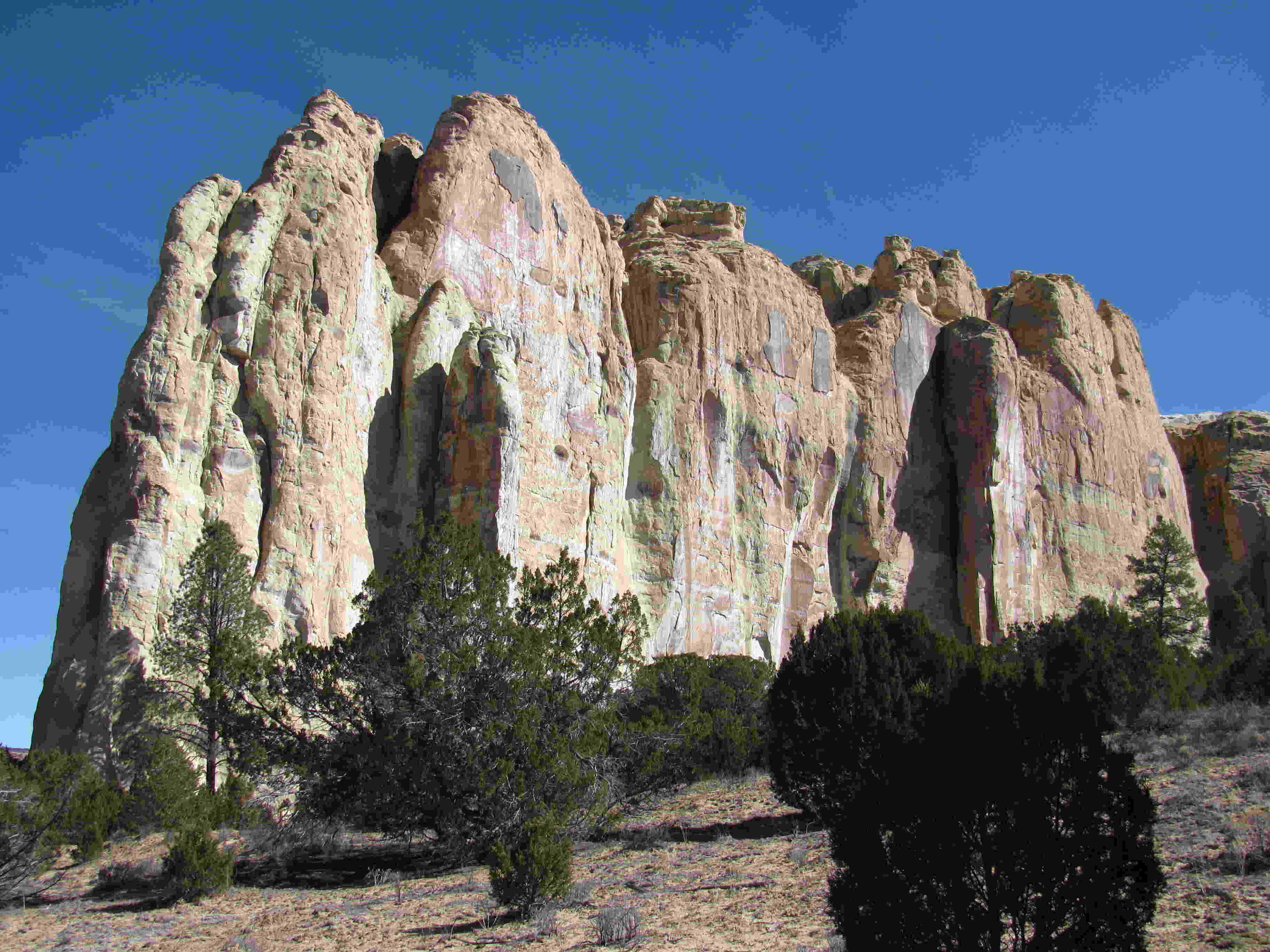
Ever wondered about the hidden gems of New Mexico? El Morro is one such treasure, rich in history and culture. This ancient site served as a crucial stop for travelers on historic trading routes. Imagine walking in the footsteps of explorers, traders, and Native Americans who once carved their stories into the sandstone cliffs. The inscriptions and petroglyphs tell tales of adventure, survival, and community. Visiting El Morro offers a unique glimpse into the past, making it a must-see for history buffs and curious travelers alike. Ready to uncover the secrets of this fascinating landmark? Let's dive in!
Ancient Trails of El Morro
El Morro, a stunning sandstone bluff in New Mexico, has been a significant landmark for centuries. Known for its historical inscriptions and petroglyphs, this site also served as a crucial waypoint for various trading routes. Let's explore the secrets of these ancient paths.
1. Zuni-Acoma Trail
The Zuni-Acoma Trail connected the Zuni and Acoma Pueblos. Traders used this route to exchange goods like turquoise, pottery, and textiles. The trail's rugged terrain required skillful navigation, but the rewards were worth the effort.
2. Old Spanish Trail
Stretching from Santa Fe to Los Angeles, the Old Spanish Trail passed near El Morro. This route facilitated trade between New Mexico and California, with goods like wool, horses, and mules being transported. The trail's challenging conditions made it a test of endurance for traders.
3. Butterfield Overland Mail Route
The Butterfield Overland Mail Route was a stagecoach service that operated in the mid-19th century. Passing close to El Morro, it connected St. Louis to San Francisco. This route was vital for communication and commerce, carrying mail and passengers across the vast American West.
Cultural Significance of El Morro
El Morro's importance extends beyond its role in trade. The inscriptions and petroglyphs found here tell stories of the diverse cultures that passed through.
4. Ancestral Puebloans
The Ancestral Puebloans, also known as the Anasazi, left their mark on El Morro. Their petroglyphs depict daily life, spiritual beliefs, and astronomical observations. These ancient artists used the bluff as a canvas to record their history.
5. Spanish Explorers
Spanish explorers, including Juan de Oñate, carved inscriptions into El Morro's sandstone. These inscriptions document their journeys and interactions with indigenous peoples. The Spanish left a lasting legacy on the region's culture and history.
6. American Pioneers
American pioneers traveling westward also left their mark on El Morro. Their inscriptions reflect the hopes and hardships of those seeking new opportunities in the frontier. These carvings provide a glimpse into the lives of early settlers.
Natural Beauty of El Morro
El Morro's natural beauty is as captivating as its historical significance. The landscape offers stunning vistas and unique geological formations.
7. Inscription Rock
Inscription Rock, the main feature of El Morro, is a massive sandstone bluff covered in carvings. Visitors can hike to the top for panoramic views of the surrounding area. The rock's inscriptions are a testament to the site's historical importance.
8. El Morro National Monument
El Morro National Monument preserves the area's natural and cultural heritage. The monument offers hiking trails, a visitor center, and interpretive programs. It's a must-visit destination for history buffs and nature lovers alike.
9. Pool of El Morro
At the base of the bluff lies a natural pool that has provided water to travelers for centuries. This oasis in the desert was a crucial resource for those journeying along the trading routes. The pool's serene setting adds to El Morro's allure.
Discovering El Morro's Rich History
El Morro's trading routes offer a fascinating glimpse into New Mexico's past. These paths were vital for Native American tribes, Spanish explorers, and early settlers. Each group left their mark, creating a tapestry of stories etched into the sandstone cliffs. Visiting El Morro, you can see ancient petroglyphs and inscriptions that tell tales of survival, trade, and exploration. The area isn't just a historical site; it's a living museum where history comes alive. Walking these routes, you feel connected to those who traveled before. The rugged beauty of the landscape adds to the experience, making it a must-visit for history buffs and nature lovers alike. El Morro's trading routes are more than just paths; they're a journey through time, offering insights into the lives and cultures that shaped New Mexico.
