

Secrets Of New Mexico’s Desert Research Stations
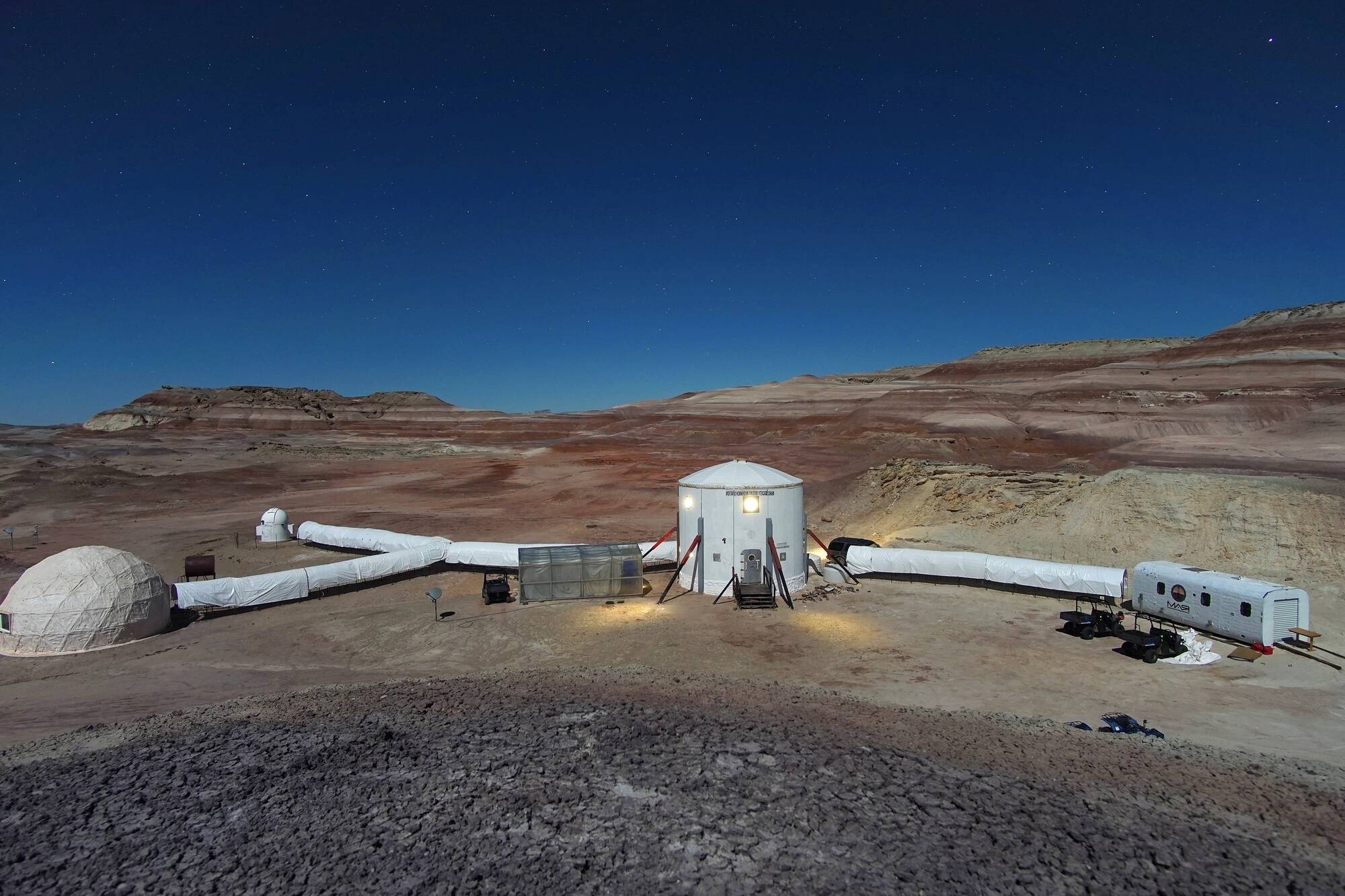
Have you ever wondered what goes on at New Mexico's desert research stations? These hidden gems are more than just remote outposts. They are bustling hubs of scientific discovery. Researchers from around the world come to study the unique desert ecosystem. From studying rare plants to observing wildlife, these stations offer a glimpse into a world few get to see. Imagine walking through a landscape where every rock and cactus tells a story. Curious about how scientists survive and thrive in such harsh conditions? Keep reading to uncover the secrets of these fascinating research stations.
Secrets of New Mexico's Desert Research Stations
New Mexico's vast deserts hold more than just sand and cacti. Hidden within these arid landscapes are research stations that unlock the mysteries of the desert. These stations are vital for understanding ecosystems, climate change, and even space exploration. Let's dive into some of the most intriguing research stations in New Mexico's deserts.
Jornada Experimental Range
The Jornada Experimental Range is a hub for desert research. Scientists here study everything from soil health to livestock management. This station helps us understand how to sustainably manage desert landscapes.
- Location: Near Las Cruces, New Mexico
- Research Focus: Soil erosion, plant ecology, livestock grazing
- Established: 1912
- Interesting Fact: One of the oldest research stations in the U.S.
Sevilleta National Wildlife Refuge
Sevilleta National Wildlife Refuge is a living laboratory. Researchers study the interactions between plants, animals, and their environment. This station provides valuable data on how ecosystems respond to climate change.
- Location: Near Socorro, New Mexico
- Research Focus: Ecosystem dynamics, climate change, wildlife biology
- Established: 1973
- Interesting Fact: Home to four distinct biomes
Chihuahuan Desert Rangeland Research Center
The Chihuahuan Desert Rangeland Research Center focuses on sustainable land management. Scientists here work on projects that aim to balance human needs with environmental conservation.
- Location: Near Las Cruces, New Mexico
- Research Focus: Rangeland management, water conservation, plant-animal interactions
- Established: 1927
- Interesting Fact: Covers over 100,000 acres
White Sands Missile Range
White Sands Missile Range isn't just for military testing. It also hosts scientific research, particularly in the fields of geology and atmospheric science. The unique landscape offers a perfect setting for various experiments.
- Location: Near Alamogordo, New Mexico
- Research Focus: Geology, atmospheric science, space exploration
- Established: 1945
- Interesting Fact: Largest military installation in the U.S.
Valles Caldera National Preserve
Valles Caldera National Preserve is a volcanic caldera that serves as a research hotspot. Scientists study geothermal activity, wildlife, and forest ecology. The unique geological features make it a fascinating place for research.
- Location: Near Jemez Springs, New Mexico
- Research Focus: Geothermal activity, forest ecology, wildlife biology
- Established: 2000
- Interesting Fact: One of the youngest calderas in the U.S.
Carlsbad Caverns National Park
Carlsbad Caverns National Park is famous for its stunning caves, but it's also a research site. Scientists study cave formations, bat populations, and underground ecosystems. The park offers a unique underground laboratory.
- Location: Near Carlsbad, New Mexico
- Research Focus: Speleology, bat ecology, underground ecosystems
- Established: 1930
- Interesting Fact: Home to over 119 caves
Sandia National Laboratories
Sandia National Laboratories conducts cutting-edge research in various fields. From renewable energy to national security, this lab plays a crucial role in scientific advancements. Its desert location provides a unique setting for experiments.
- Location: Near Albuquerque, New Mexico
- Research Focus: Renewable energy, national security, materials science
- Established: 1949
- Interesting Fact: Operated by the U.S. Department of Energy
Bosque del Apache National Wildlife Refuge
Bosque del Apache National Wildlife Refuge is a sanctuary for migratory birds. Researchers study bird populations, wetland ecology, and water management. The refuge is a vital stopover for birds traveling along the Rio Grande.
- Location: Near San Antonio, New Mexico
- Research Focus: Ornithology, wetland ecology, water management
- Established: 1939
- Interesting Fact: Hosts the annual Festival of the Cranes
Very Large Array (VLA)
The Very Large Array is a radio astronomy observatory. Scientists use it to study celestial objects and phenomena. Its desert location minimizes radio interference, making it ideal for space research.
- Location: Near Socorro, New Mexico
- Research Focus: Radio astronomy, space phenomena, celestial objects
- Established: 1980
- Interesting Fact: Featured in the movie "Contact"
Los Alamos National Laboratory
Los Alamos National Laboratory is renowned for its scientific research. From nuclear physics to environmental science, this lab tackles some of the most pressing issues. Its remote desert location ensures security and privacy for sensitive research.
- Location: Near Los Alamos, New Mexico
- Research Focus: Nuclear physics, environmental science, national security
- Established: 1943
- Interesting Fact: Played a key role in the Manhattan Project
Discover the Magic of New Mexico's Desert Research Stations
New Mexico's desert research stations offer a unique glimpse into the natural world. These stations are not just for scientists; they welcome anyone curious about the environment. Visitors can learn about desert ecosystems, wildlife, and the latest research efforts. The hands-on experiences and guided tours make learning fun and engaging.
Whether you're a student, a nature lover, or just someone looking for a new adventure, these stations provide a rich educational experience. They highlight the importance of conservation and the delicate balance of desert life. Exploring these stations can deepen your appreciation for the desert's beauty and complexity.
Plan a visit to one of New Mexico's desert research stations. You'll leave with a greater understanding of the environment and memories that will last a lifetime. Don't miss out on this incredible opportunity to connect with nature.
