

Secrets Of New Mexico’s Desert Monitoring Stations
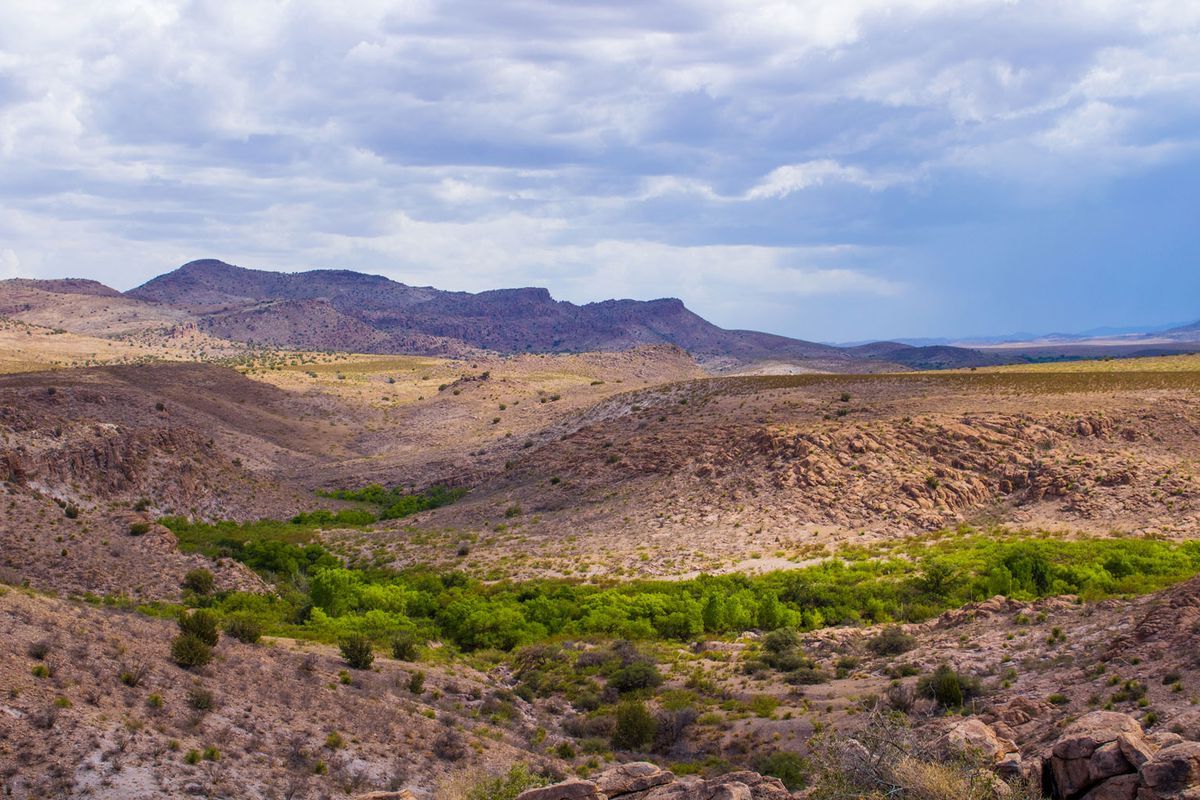
Have you ever wondered how scientists keep track of the desert environment in New Mexico? Desert monitoring stations play a crucial role in understanding this unique landscape. These stations collect data on temperature, humidity, and soil conditions, helping researchers study climate change and its effects on desert ecosystems. They also monitor plant and animal life, providing valuable insights into how species adapt to harsh conditions. By analyzing this data, scientists can make informed decisions about conservation efforts and land management. Whether you're a science enthusiast or just curious about the desert, learning about these stations offers a fascinating glimpse into the world of environmental research.
Secrets of New Mexico's Desert Monitoring Stations
New Mexico's vast desert landscape hides many secrets. Among them are the desert monitoring stations, which play a crucial role in environmental research. These stations help scientists understand climate patterns, wildlife behavior, and much more. Let's uncover some of these hidden gems.
What Are Desert Monitoring Stations?
Desert monitoring stations are specialized facilities set up to observe and record various environmental data. They track temperature, humidity, wind speed, and even animal movements. These stations are vital for researchers studying the unique desert ecosystem.
Why Are They Important?
The data collected from these stations help scientists predict weather patterns, study climate change, and understand how desert ecosystems function. This information is crucial for conservation efforts and helps us better understand our planet.
Key Desert Monitoring Stations in New Mexico
Sevilleta National Wildlife Refuge
- Located in central New Mexico, this refuge is a hotspot for biodiversity. The monitoring station here tracks everything from plant growth to animal migrations. It's a key site for studying how climate change affects desert ecosystems.
White Sands National Park
- Famous for its stunning white gypsum dunes, this park also hosts a monitoring station. Researchers here study the unique soil composition and how it affects plant and animal life. The data helps in understanding how organisms adapt to extreme conditions.
Jornada Experimental Range
- Situated near Las Cruces, this station focuses on sustainable land management. Scientists study soil erosion, water usage, and vegetation patterns. The findings help in developing better agricultural practices for arid regions.
Valles Caldera National Preserve
- This volcanic caldera in northern New Mexico offers a unique environment for research. The monitoring station here tracks geothermal activity, water quality, and wildlife behavior. It's a treasure trove of information for geologists and ecologists alike.
Bosque del Apache National Wildlife Refuge
- Located along the Rio Grande, this refuge is a haven for migratory birds. The monitoring station here collects data on bird populations, water levels, and plant growth. This information is crucial for maintaining the delicate balance of this wetland ecosystem.
Carlsbad Caverns National Park
- Known for its stunning underground caves, this park also has a monitoring station. Researchers study the cave's microclimate, air quality, and bat populations. The data helps in preserving these natural wonders for future generations.
Gila National Forest
- This vast forest in southwestern New Mexico is home to a diverse range of flora and fauna. The monitoring station here tracks forest health, fire patterns, and wildlife movements. The information aids in forest management and conservation efforts.
Sandia Mountains
- Located just outside Albuquerque, these mountains offer a unique research environment. The monitoring station here focuses on air quality, weather patterns, and plant life. The data helps in understanding how mountainous regions interact with desert ecosystems.
Organ Mountains-Desert Peaks National Monument
- This monument near Las Cruces is a geological wonder. The monitoring station here studies rock formations, soil composition, and plant growth. The findings contribute to our understanding of desert geology and ecology.
Chihuahuan Desert Research Institute
- Situated in the heart of the Chihuahuan Desert, this institute is dedicated to desert research. The monitoring station here collects data on climate, soil, and wildlife. The information helps in developing strategies for desert conservation and management.
The Impact of Desert Monitoring Stations
New Mexico's desert monitoring stations play a crucial role in understanding our environment. These stations provide valuable data on weather patterns, water resources, and wildlife. This information helps scientists predict climate changes, manage natural resources, and protect endangered species.
Local communities benefit too. Farmers use the data to plan crops, while hikers and outdoor enthusiasts check conditions before heading out. These stations also support educational programs, giving students hands-on experience with environmental science.
By maintaining and expanding these monitoring stations, New Mexico can continue to lead in environmental research and conservation. The data collected not only benefits the state but also contributes to global efforts in understanding and combating climate change. Investing in these stations is investing in a sustainable future for everyone.
