

Secrets Of New Mexico’s Chaco Culture Park Dig Sites
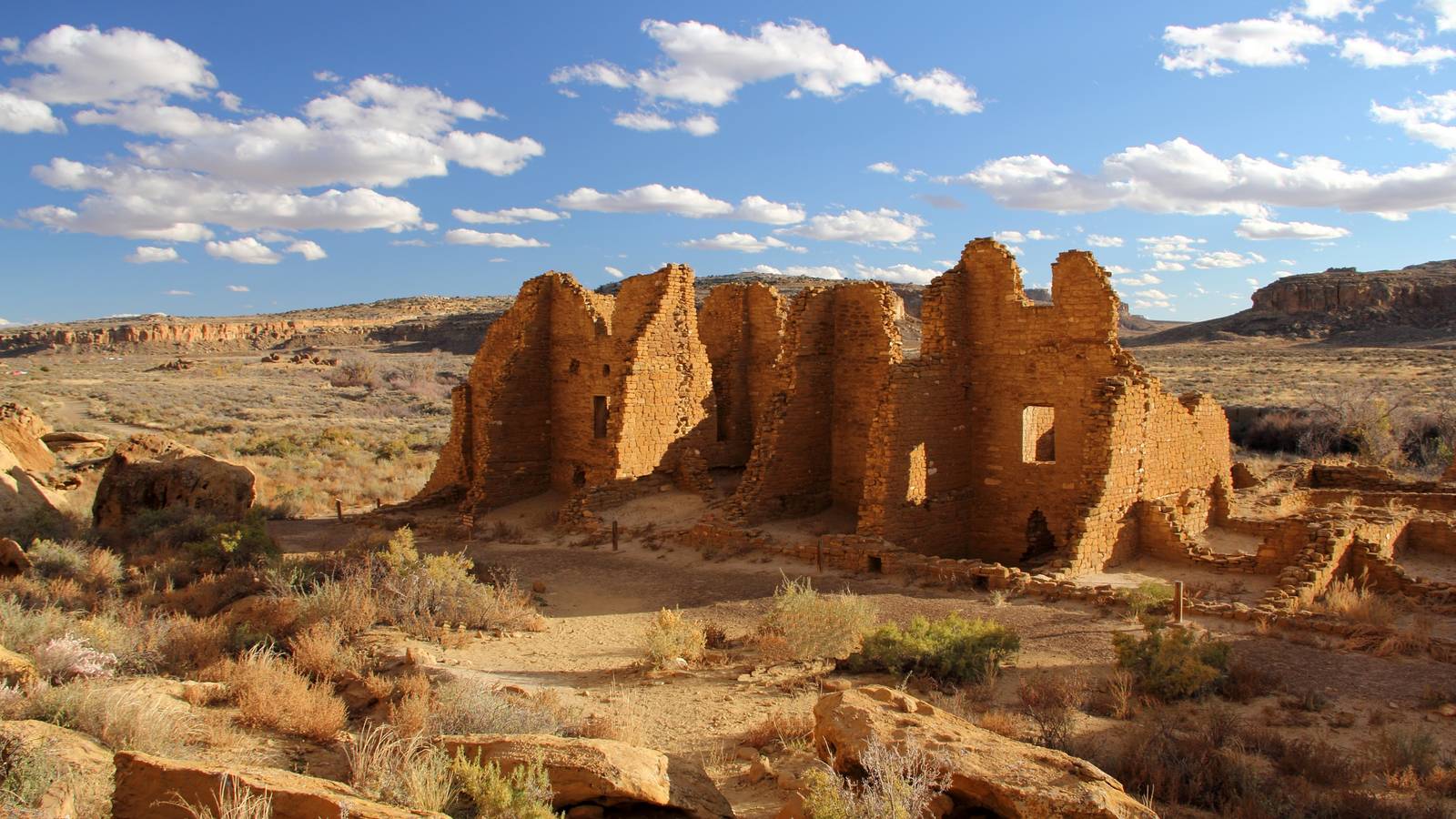
Have you ever wondered about the ancient secrets buried in New Mexico's Chaco Culture Park? This UNESCO World Heritage site holds mysteries of a civilization that thrived over a thousand years ago. Imagine walking through vast ruins, where each stone tells a story of the past. The Chaco Culture Park dig sites offer a unique glimpse into the lives of the Ancestral Puebloans. From massive stone structures to intricate petroglyphs, these archaeological wonders reveal a complex society with advanced knowledge in astronomy, architecture, and agriculture. Ready to step back in time and uncover the hidden treasures of Chaco Canyon? Let's dive into the fascinating world of these ancient ruins.
Unveiling the Mysteries of Chaco Culture Park
New Mexico's Chaco Culture National Historical Park is a treasure trove of ancient history. This UNESCO World Heritage Site offers a glimpse into the lives of the Ancestral Puebloans who thrived here over a thousand years ago. Let's dive into some of the most fascinating dig sites within the park.
Great Houses: Architectural Marvels
The Great Houses of Chaco Canyon are monumental structures that served as the heart of the Chacoan society. These buildings were not just homes but also centers for ceremonies, trade, and administration.
Pueblo Bonito
- The largest and most famous Great House, Pueblo Bonito, boasts over 600 rooms and 40 kivas. Its D-shaped structure and intricate masonry are awe-inspiring.
Chetro Ketl
- Slightly smaller than Pueblo Bonito, Chetro Ketl features a grand plaza and a unique elevated kiva. This site offers insights into the social and ceremonial life of the Chacoans.
Casa Rinconada
- Known for its massive kiva, Casa Rinconada is a standalone structure that likely served as a community gathering place. The kiva's precise alignment with celestial events is particularly intriguing.
Petroglyphs: Stories in Stone
Scattered throughout Chaco Canyon are numerous petroglyphs, rock carvings that tell stories of the past. These ancient artworks provide a glimpse into the spiritual and daily lives of the Chacoans.
Petroglyph Trail
- This trail offers a close-up view of some of the most intricate and well-preserved petroglyphs in the park. Look for depictions of animals, people, and mysterious symbols.
Fajada Butte
- Home to the famous "Sun Dagger" petroglyph, Fajada Butte is a must-visit. The Sun Dagger marks the solstices and equinoxes, showcasing the Chacoans' advanced understanding of astronomy.
Outliers: Beyond the Canyon
Chaco Culture Park isn't confined to the canyon itself. Several outlier sites extend the reach of Chacoan influence across the region.
Kin Klizhin
- Located about 12 miles from the main canyon, Kin Klizhin features a small Great House and a unique tower kiva. This site highlights the extensive network of Chacoan outposts.
Kin Bineola
- Another outlier, Kin Bineola, is known for its large Great House and multiple kivas. The site's strategic location suggests it played a crucial role in regional trade and communication.
Roads: Pathways of the Past
The Chacoans built an extensive network of roads that connected their settlements. These roads were not just for travel but also had ceremonial significance.
Great North Road
- Stretching over 30 miles, the Great North Road connected Chaco Canyon to other important sites. Walking this ancient path offers a sense of the vastness of the Chacoan world.
South Road
- Leading south from the canyon, this road linked Chaco to other communities and resources. Its precise construction and alignment reflect the Chacoans' engineering prowess.
Kivas: Sacred Spaces
Kivas are circular, subterranean rooms used for religious ceremonies. These sacred spaces are a defining feature of Chacoan architecture.
Kiva Q
- Located within Pueblo Bonito, Kiva Q is one of the most well-preserved kivas in the park. Its intricate design and ceremonial artifacts provide a window into Chacoan spirituality.
Kiva A
- Found in Chetro Ketl, Kiva A is notable for its size and unique features, including a central fire pit and ventilation shafts. This kiva likely hosted important community rituals.
Discovering Chaco Culture Park's Rich History
Chaco Culture Park offers a unique glimpse into ancient civilizations. The archaeological dig sites reveal fascinating details about the Ancestral Puebloans who once thrived here. Exploring these sites, you can see the impressive architecture, intricate petroglyphs, and learn about the cultural significance of this area. Visiting Chaco Culture Park isn't just a trip; it's a journey through time. The park's remote location adds to its mystique, making it a perfect destination for those seeking adventure and knowledge. Whether you're an archaeology enthusiast or just curious about history, Chaco Culture Park has something to offer. So pack your bags, grab your hiking boots, and get ready to uncover the secrets of this incredible place. Your adventure awaits in the heart of New Mexico's ancient past.
