

Secrets Of New Mexico’s Ancient Agricultural Terraces
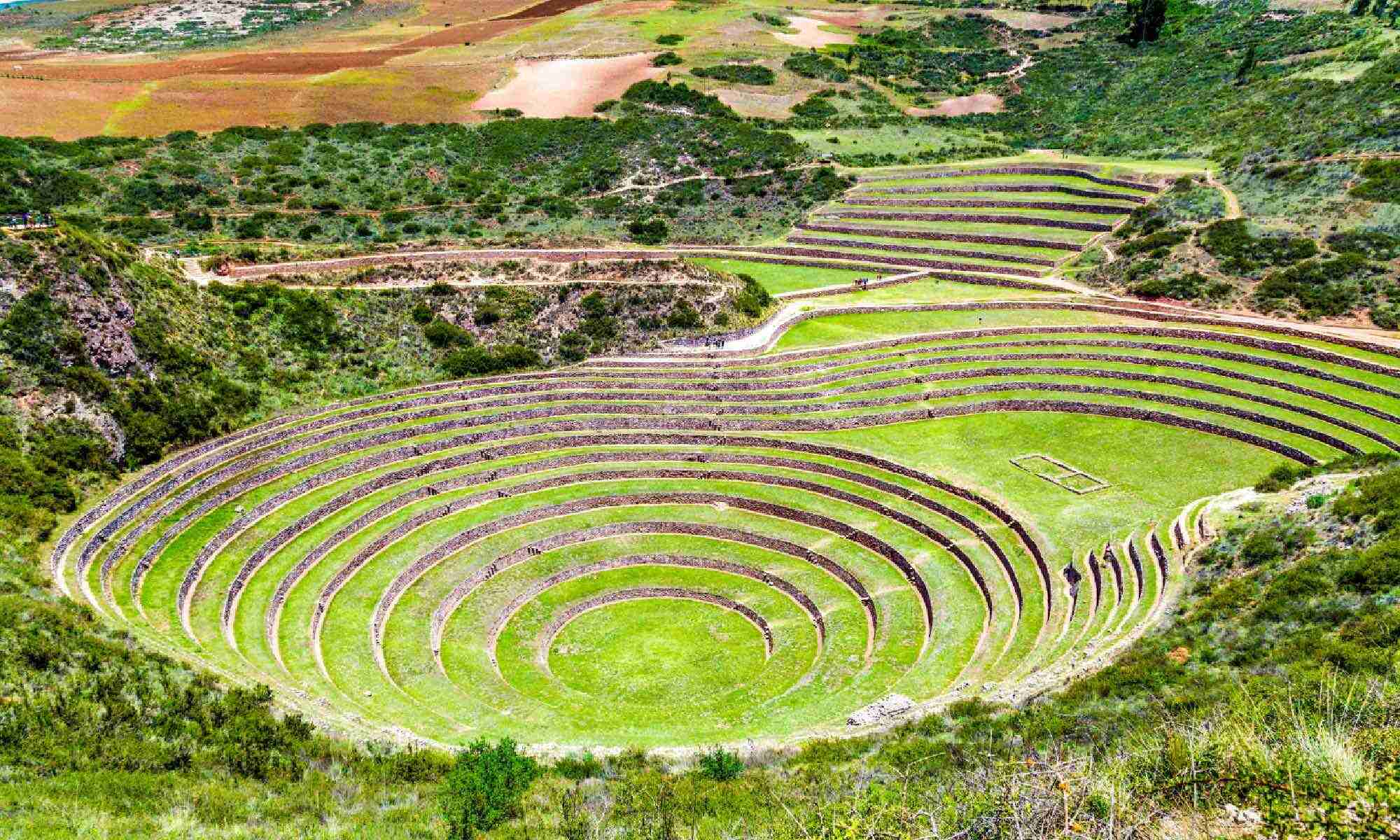
Have you ever wondered how ancient civilizations farmed in the desert? New Mexico's ancient agricultural terraces hold the answer. These terraces, built by indigenous people, transformed arid landscapes into fertile fields. Ingenious stone walls and irrigation channels captured rainwater, allowing crops to thrive in harsh conditions. Today, these terraces offer a glimpse into the past, showcasing the ingenuity and resilience of early farmers. Visiting these sites not only provides a historical perspective but also highlights sustainable farming practices that can inspire modern agriculture. Ready to learn more about these incredible structures and their impact on history? Let's dive into the secrets of New Mexico's ancient agricultural terraces.
Discovering New Mexico's Ancient Agricultural Terraces
New Mexico's landscape hides secrets of ancient farming techniques. These terraces, built by indigenous peoples, showcase ingenuity and adaptation to the environment. Let's explore some of these fascinating sites.
1. Chaco Canyon
Chaco Canyon, a UNESCO World Heritage Site, is famous for its massive stone structures. However, it also holds remnants of ancient agricultural terraces. These terraces helped the Chacoans manage water and grow crops in an arid environment.
2. Bandelier National Monument
Bandelier National Monument offers a glimpse into the lives of the Ancestral Puebloans. Here, you can find terraces carved into the canyon walls. These terraces allowed the Puebloans to cultivate corn, beans, and squash.
3. Gila Cliff Dwellings
The Gila Cliff Dwellings, nestled in the Gila Wilderness, are not just about impressive cliff homes. Surrounding these dwellings are terraces that once supported agriculture. These terraces reveal how the Mogollon people adapted to their rugged surroundings.
4. Pecos National Historical Park
Pecos National Historical Park preserves the ruins of a once-thriving Pueblo community. The terraces here show advanced farming techniques used to sustain a large population. These terraces are a testament to the ingenuity of the Pecos people.
5. Taos Pueblo
Taos Pueblo, a living Native American community, has been continuously inhabited for over 1,000 years. The terraces around Taos Pueblo demonstrate traditional farming methods still in use today. These terraces provide a direct link to the agricultural practices of the past.
6. Acoma Pueblo
Acoma Pueblo, also known as Sky City, sits atop a mesa with breathtaking views. The terraces surrounding Acoma Pueblo were essential for farming in this arid region. These terraces highlight the resourcefulness of the Acoma people.
7. Jemez Historic Site
The Jemez Historic Site includes the ruins of the ancient village of Giusewa. Terraces here were used to grow crops and manage water resources. These terraces reflect the agricultural practices of the Jemez people.
8. Zuni Pueblo
Zuni Pueblo, home to the Zuni people, features terraces that have supported agriculture for centuries. These terraces are part of a complex system of water management and crop cultivation. The Zuni terraces are a living example of sustainable farming practices.
9. El Morro National Monument
El Morro National Monument is known for its sandstone bluff and inscriptions. However, it also contains ancient terraces used for farming. These terraces show how the Ancestral Puebloans made the most of their environment.
10. Chaco Culture National Historical Park
Chaco Culture National Historical Park, another UNESCO World Heritage Site, is rich in history. The terraces here were part of an extensive agricultural system. These terraces helped support the large population that once lived in Chaco Canyon.
11. Aztec Ruins National Monument
Aztec Ruins National Monument preserves the remains of a large Ancestral Puebloan community. The terraces here were used to grow food and manage water. These terraces are a testament to the agricultural skills of the Aztec people.
12. Salinas Pueblo Missions National Monument
Salinas Pueblo Missions National Monument includes the ruins of three mission churches. Surrounding these missions are terraces that were used for farming. These terraces show how the Puebloans adapted to the harsh environment.
13. Coronado Historic Site
Coronado Historic Site marks the location of the ancient Kuaua Pueblo. The terraces here were used to grow crops and manage water. These terraces provide insight into the agricultural practices of the Kuaua people.
14. Gran Quivira
Gran Quivira, part of the Salinas Pueblo Missions National Monument, is an impressive archaeological site. The terraces here were essential for farming in this arid region. These terraces highlight the ingenuity of the Gran Quivira people.
15. Puye Cliff Dwellings
Puye Cliff Dwellings, home to the ancestors of the Santa Clara Pueblo, feature impressive terraces. These terraces were used to grow crops and manage water. The Puye terraces are a testament to the agricultural skills of the Santa Clara people.
Discovering New Mexico's Ancient Agricultural Terraces
New Mexico's ancient agricultural terraces offer a glimpse into the ingenuity of early civilizations. These terraces, carved into the landscape, reveal how ancient farmers adapted to their environment. By using these terraces, they maximized water use and soil fertility, ensuring sustainable farming in a challenging climate.
Visiting these terraces today, you can appreciate the skill and knowledge that went into their creation. They stand as a testament to human resilience and innovation. Exploring these sites not only enriches our understanding of history but also inspires modern agricultural practices.
Next time you visit New Mexico, take a moment to explore these ancient terraces. They are more than just historical landmarks; they are lessons in sustainability and adaptation. Embrace the opportunity to learn from the past and apply those lessons to our future.
