Secrets Of New Mexico’s Abandoned Silver Mining Towns
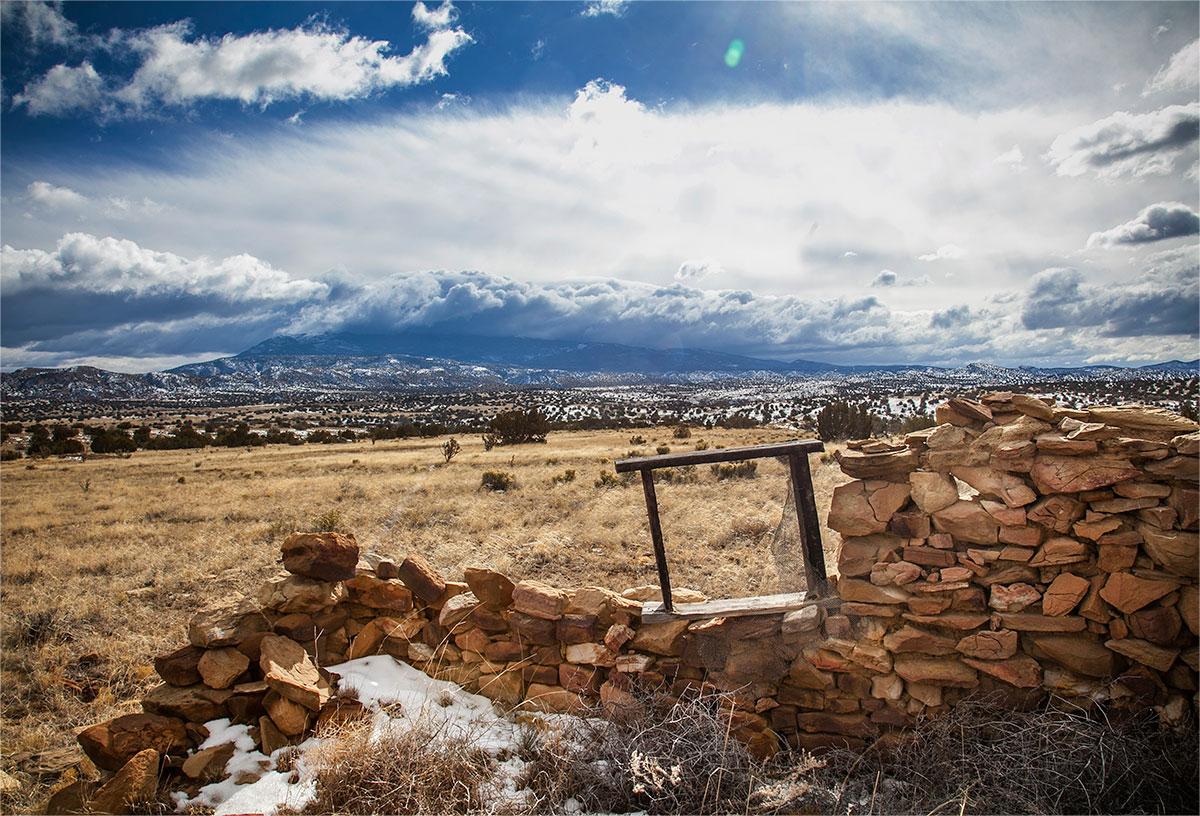
Have you ever wondered what happened to New Mexico's abandoned silver mining towns? These ghost towns, once bustling with miners and their families, now stand as silent witnesses to a bygone era. In the late 19th century, silver mining boomed, drawing people from all over the country. Towns like Chloride, Mogollon, and Lake Valley sprang up almost overnight. However, when silver prices plummeted, these towns were quickly deserted. Today, they offer a fascinating glimpse into history, with crumbling buildings, old mining equipment, and stories of the people who once lived there. Exploring these ghost towns feels like stepping back in time.
Secrets of New Mexico's Abandoned Silver Mining Towns
New Mexico's landscape is dotted with remnants of its rich mining history. These ghost towns, once bustling with miners and merchants, now stand as silent witnesses to a bygone era. Let's uncover the secrets of some of these fascinating places.
1. Lake Valley
Lake Valley was once a thriving silver mining town. Founded in 1878, it quickly grew due to the discovery of the Bridal Chamber, one of the richest silver deposits ever found. Today, visitors can explore the remains of the old schoolhouse, the chapel, and various mining structures.
Highlights:
- Bridal Chamber Mine: Known for its incredibly rich silver deposits.
- Old Schoolhouse: A glimpse into the educational past of the town.
- Chapel: A small but charming piece of history.
2. Chloride
Chloride started as a tent city in 1880 after silver was discovered in the nearby mountains. It grew to have over 3,000 residents, but like many mining towns, it declined when the silver ran out. Now, it's a well-preserved ghost town with a museum and several restored buildings.
Highlights:
- Pioneer Store Museum: Offers a look at the town's history.
- Restored Buildings: Including the old bank and saloon.
- Annual Events: Such as the Heritage Day celebration.
3. Mogollon
Mogollon, nestled in the Gila National Forest, was once a bustling mining town. Founded in the late 1800s, it experienced several booms and busts. Today, it’s a quiet place with a few residents and many historical buildings.
Highlights:
- Silver Creek Inn: A historic hotel still in operation.
- Mogollon Museum: Showcases artifacts from the town's mining days.
- Ghost Town Tours: Guided tours that bring the past to life.
4. Kingston
Kingston was one of the largest and most prosperous mining towns in New Mexico during the silver boom. Established in 1882, it had over 7,000 residents at its peak. Now, it’s a quiet place with a few remaining structures.
Highlights:
- Percha Bank Museum: Housed in the original bank building.
- Victorian Homes: Several well-preserved homes from the town's heyday.
- Historic Cemetery: Final resting place of many early settlers.
5. Hillsboro
Hillsboro was founded in 1877 after gold and silver were discovered in the area. It became a major mining center and even served as the county seat for a time. Today, it’s a small community with a rich history.
Highlights:
- Black Range Museum: Offers a deep dive into the town's past.
- Annual Apple Festival: Celebrates the town's heritage.
- Historic Buildings: Including the old courthouse and jail.
6. Shakespeare
Shakespeare, near Lordsburg, is one of the best-preserved ghost towns in New Mexico. Founded in the 1870s, it saw several mining booms before being abandoned. Today, it’s privately owned and open for tours.
Highlights:
- Old West Tours: Guided tours that tell the town's colorful history.
- Historic Buildings: Including the saloon, hotel, and assay office.
- Reenactments: Live performances that bring the past to life.
7. Elizabethtown
Elizabethtown, or E-Town, was New Mexico's first incorporated town. Founded in 1866 after gold was discovered nearby, it quickly grew but declined just as fast. Now, it’s a ghost town with a few remaining structures.
Highlights:
- E-Town Museum: Displays artifacts from the town's golden days.
- Cemetery: Final resting place of many early miners.
- Scenic Views: Located in the beautiful Moreno Valley.
8. Steins
Steins, located near the Arizona border, was a railroad and mining town. Founded in the late 1800s, it thrived for a time before being abandoned. Today, it’s a privately owned ghost town open for tours.
Highlights:
- Guided Tours: Learn about the town's history and see the remaining buildings.
- Railroad History: Explore the town's connection to the Southern Pacific Railroad.
- Desert Landscape: Stunning views of the surrounding desert.
9. Pinos Altos
Pinos Altos, near Silver City, was founded in 1860 after gold was discovered. It became a major mining center and even had its own opera house. Today, it’s a small community with a rich history.
Highlights:
- Pinos Altos Opera House: One of the oldest in the state.
- Historic Buildings: Including the old schoolhouse and church.
- Annual Events: Such as the Billy the Kid Pageant.
10. White Oaks
White Oaks was one of the largest and most prosperous mining towns in New Mexico. Founded in 1879, it had over 4,000 residents at its peak. Now, it’s a quiet place with a few remaining structures.
Highlights:
- No Scum Allowed Saloon: A historic bar still in operation.
- Historic Buildings: Including the old schoolhouse and church.
- Annual Events: Such as the Old Timers Reunion.
Hidden Gems of New Mexico's Past
New Mexico's abandoned silver mining towns offer a unique glimpse into history. These ghost towns, like Chloride, Lake Valley, and Mogollon, tell stories of boom and bust. Walking through these places, you can almost hear the echoes of miners and see remnants of their lives. Exploring these towns isn't just about history; it's about adventure. You can hike, photograph, and even camp near these sites. Each town has its own charm and mystery, making them perfect for curious travelers. Visiting these hidden gems is a chance to step back in time and appreciate the rugged beauty of New Mexico. So, pack your bags, grab a camera, and discover the secrets these abandoned towns hold.