

Secrets Of Chaco Canyon’s Desert Pueblo Astronomy Sites
Have you ever wondered how ancient civilizations tracked the stars? Chaco Canyon in New Mexico holds some of the most intriguing clues. This desert landscape, once home to the Ancestral Puebloans, is a treasure trove of astronomical sites. These ancient people built massive stone structures aligned with celestial events like solstices and equinoxes. Imagine standing in a place where the sun's rays perfectly align with stone markers, just as they did a thousand years ago. Visiting Chaco Canyon offers a unique glimpse into the advanced knowledge and skills of its ancient inhabitants. Ready to explore the secrets of the stars?
Secrets of Chaco Canyon's Desert Pueblo Astronomy Sites
Chaco Canyon, located in northwestern New Mexico, is a place of mystery and wonder. This ancient site, once home to the Ancestral Puebloans, holds secrets of astronomical significance. Let's uncover some of the most fascinating spots in this desert landscape.
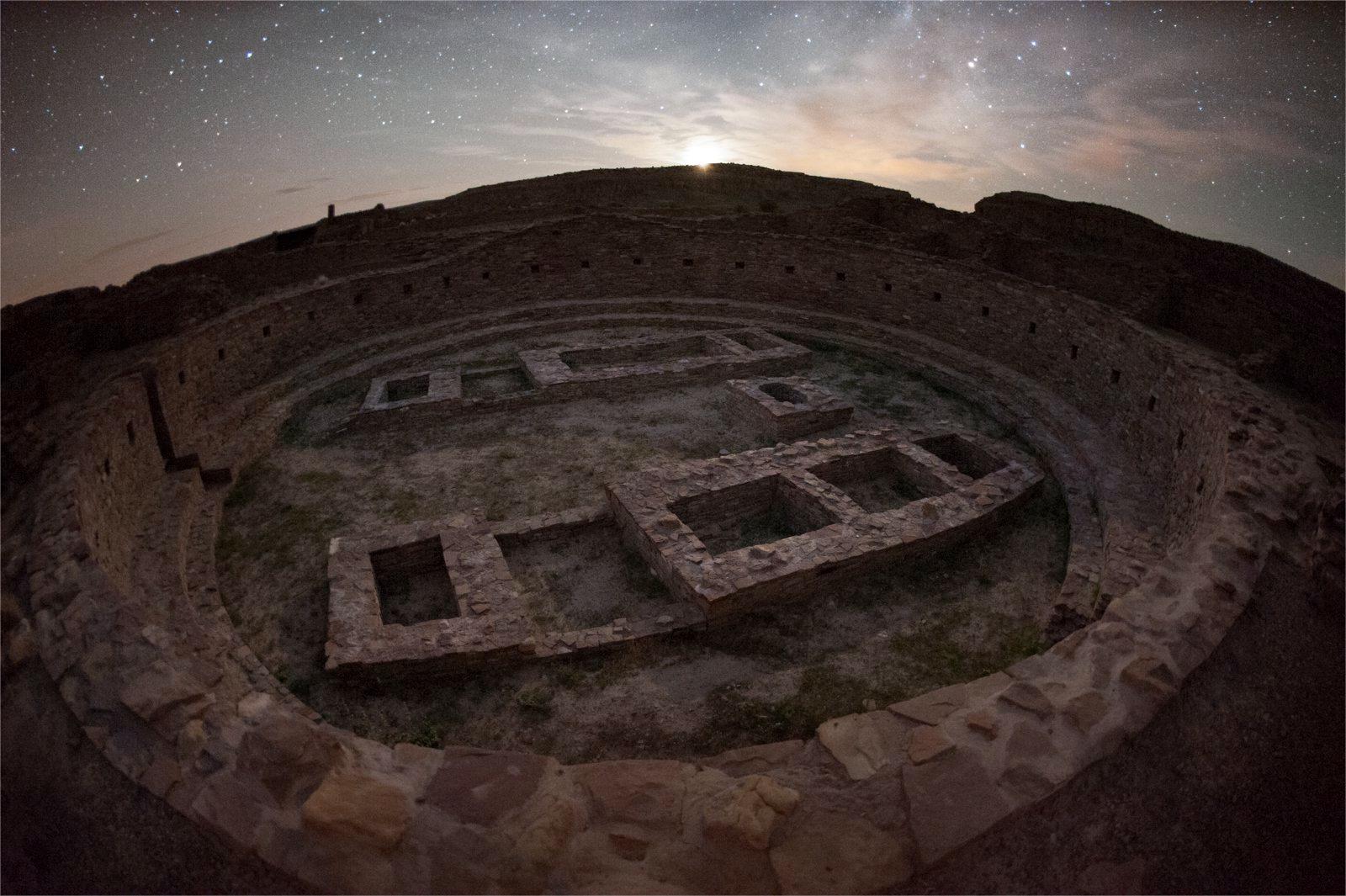
The Great Kiva at Casa Rinconada
The Great Kiva at Casa Rinconada is a massive ceremonial structure that showcases the architectural prowess of the Ancestral Puebloans. This kiva is not just a religious site but also an astronomical observatory.
- Casa Rinconada: This kiva features a unique alignment with the summer solstice. As the sun rises, its rays illuminate specific niches within the kiva, marking the longest day of the year.
Fajada Butte's Sun Dagger
Fajada Butte is one of the most iconic landmarks in Chaco Canyon. It is home to the famous Sun Dagger, an ancient solar calendar.
- Sun Dagger: On the summer solstice, a dagger of light pierces through the spiral petroglyphs, marking the exact moment of the solstice. This phenomenon also occurs during the winter solstice and equinoxes, showcasing the advanced astronomical knowledge of the Ancestral Puebloans.
Pueblo Bonito's Solar and Lunar Alignments
Pueblo Bonito, the largest and most significant great house in Chaco Canyon, is a marvel of ancient engineering. Its layout and construction reveal a deep understanding of solar and lunar cycles.
- Pueblo Bonito: The walls of Pueblo Bonito are aligned with the cardinal directions, and specific rooms are illuminated by the sun during solstices and equinoxes. Additionally, the moon's cycles are reflected in the architecture, indicating a sophisticated lunar calendar.
The Chacoan Roads
The Chacoan Roads are a network of ancient pathways that connect various sites within Chaco Canyon. These roads are not just for travel but also have astronomical significance.
- Chacoan Roads: Some of these roads align with the solstices and equinoxes, suggesting they were used for ceremonial purposes related to astronomical events. The roads also connect to distant outliers, indicating a vast network of trade and communication.
The Pictographs and Petroglyphs
Chaco Canyon is rich with rock art, including pictographs and petroglyphs that depict celestial events and astronomical symbols.
- Pictographs and Petroglyphs: These artworks often represent the sun, moon, and stars, providing insight into the Ancestral Puebloans' understanding of the cosmos. Some petroglyphs align with solar and lunar events, serving as ancient calendars.
The Chacoan Supernova Pictograph
One of the most intriguing pieces of rock art in Chaco Canyon is the Supernova Pictograph, which may depict a celestial event witnessed by the Ancestral Puebloans.
- Supernova Pictograph: This pictograph, found on a rock face, is believed to represent the supernova of 1054 AD. The depiction of a starburst next to a crescent moon suggests that the Ancestral Puebloans recorded this rare astronomical event.
The Observatory at Wijiji
Wijiji is one of the smaller great houses in Chaco Canyon, but it holds significant astronomical importance.
- Wijiji: The alignment of Wijiji's walls and windows with the solstices and equinoxes indicates that it was used as an observatory. The precise construction reflects the Ancestral Puebloans' advanced knowledge of astronomy.
The Chacoan Outliers
Chaco Canyon is surrounded by numerous outlier sites that extend the reach of its astronomical influence.
- Chacoan Outliers: These sites, such as Aztec Ruins and Salmon Ruins, share architectural and astronomical features with Chaco Canyon. They demonstrate the widespread influence of Chacoan culture and its astronomical practices.
Chaco Canyon's desert landscape holds many secrets of ancient astronomy. Each site reveals a piece of the puzzle, showcasing the Ancestral Puebloans' remarkable understanding of the cosmos.
The Timeless Allure of Chaco Canyon
Chaco Canyon's desert pueblo astronomy sites offer a unique glimpse into ancient civilizations. These sites reveal how the Ancestral Puebloans used the stars to guide their lives. Visiting Chaco Canyon, you can see the Great Kiva, Fajada Butte, and other significant structures. These places show the advanced understanding of astronomy and architecture that existed long before modern technology.
Exploring these ancient sites, you gain a deeper appreciation for the ingenuity and resilience of the Ancestral Puebloans. The alignment of buildings with celestial events is a testament to their sophisticated knowledge. Whether you're an astronomy enthusiast or a history buff, Chaco Canyon offers something for everyone.
Plan your trip to Chaco Canyon to experience the magic of these ancient astronomy sites. You'll leave with a newfound respect for the people who once called this remarkable place home.
