

Hidden Tales Of New Jersey’s Pine Barrens Ghost Towns
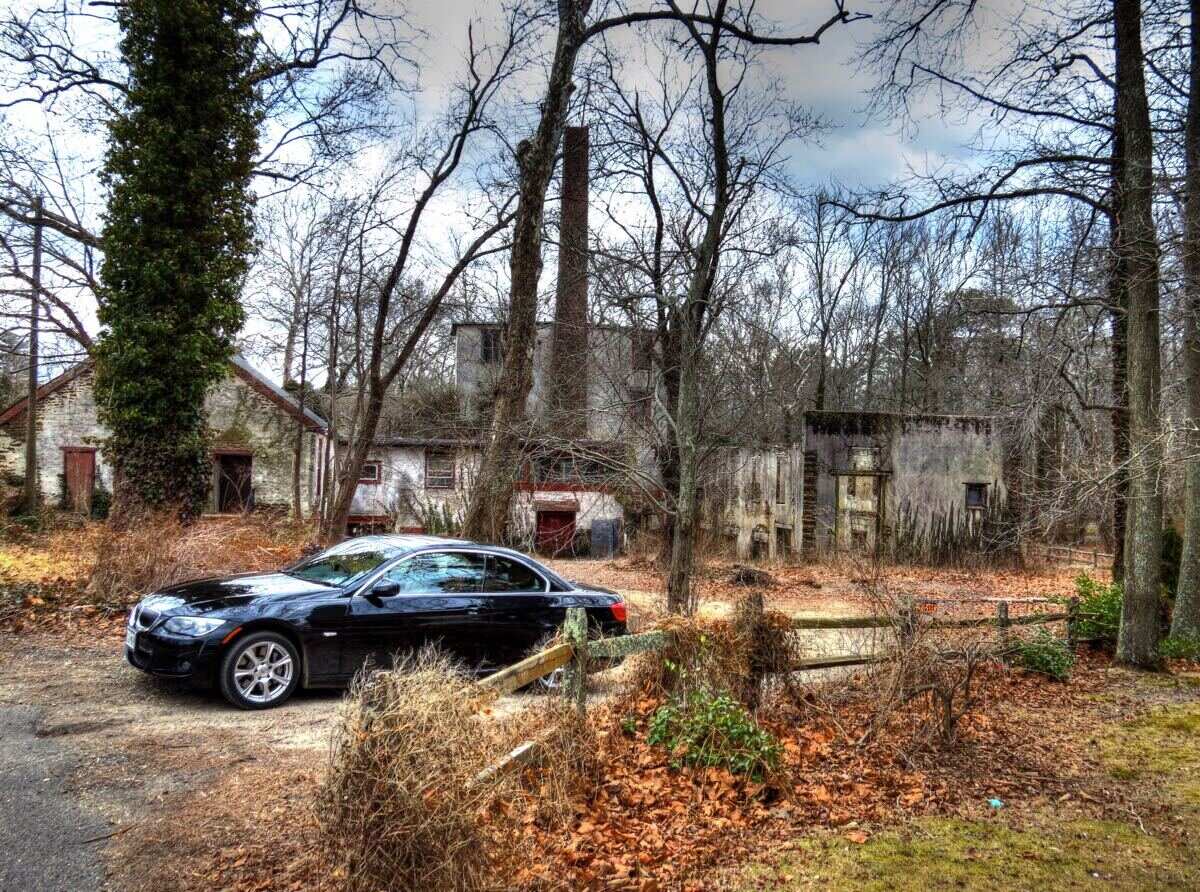
Have you ever wondered about the hidden stories of New Jersey's Pine Barrens ghost towns? These abandoned places hold secrets from the past, waiting to be uncovered. Once bustling with life, now they stand as silent witnesses to history. Imagine walking through deserted streets where nature has reclaimed its space. Each town has a unique story, from thriving industries to mysterious disappearances. Exploring these ghost towns offers a glimpse into a different era, making you feel like a time traveler. Ready to step into the past and uncover the mysteries of the Pine Barrens? Let's dive into these forgotten tales.
The Mystique of New Jersey's Pine Barrens
New Jersey's Pine Barrens, a sprawling forested area, holds secrets from the past. Among its dense trees and winding trails lie ghost towns, remnants of once-thriving communities now reclaimed by nature. These eerie, abandoned places tell stories of industry, ambition, and decline.
Batsto Village: A Glimpse into the Past
Batsto Village, a well-preserved ghost town, offers a window into 18th and 19th-century life. Once a bustling iron and glassmaking hub, it now stands as a historical site.
Batsto Mansion: This grand home belonged to the town's ironmaster. Its rooms, filled with period furnishings, give a sense of the wealth and lifestyle of its former inhabitants.
Batsto Post Office: One of the oldest post offices in the United States, it still operates today, offering a unique connection to the past.
Batsto Mill: The water-powered mill, essential for the town's industry, remains a focal point. Visitors can see how grain was ground into flour.
Harrisville: The Paper Mill Town
Harrisville, once a thriving paper mill town, now lies in ruins. The remnants of its buildings peek through the overgrowth, whispering tales of its industrious past.
Harrisville Paper Mill: The mill's stone foundations and crumbling walls hint at the town's once-bustling industry. It's a hauntingly beautiful spot for history buffs and photographers.
Harrisville Lake: This serene lake, created to power the mill, now offers a peaceful retreat. It's a great spot for fishing and quiet reflection.
Friendship: A Town Lost to Time
Friendship, a small settlement, has almost vanished. Only a few structures remain, hidden among the trees, telling stories of a simpler, bygone era.
Friendship Schoolhouse: This tiny, one-room schoolhouse educated the town's children. Its weathered walls and old desks evoke a sense of nostalgia.
Friendship Cemetery: The cemetery, with its moss-covered tombstones, offers a poignant reminder of the lives once lived here. It's a quiet place to ponder the passage of time.
Double Trouble: A Village of Industry
Double Trouble, named for the difficulties of its cranberry and lumber industries, is now a state park. Its preserved buildings offer a glimpse into the challenges and triumphs of its past residents.
Double Trouble Cranberry Bogs: These bogs, still in use today, showcase the area's cranberry farming heritage. Visitors can learn about the cranberry harvest and its importance to the local economy.
Double Trouble Sawmill: The sawmill, once vital to the town's lumber industry, stands as a testament to the hard work and ingenuity of its operators. It's a fascinating spot to explore.
Whitesbog Village: Birthplace of the Blueberry
Whitesbog Village, where the cultivated blueberry was first developed, is a living history site. Its buildings and landscapes tell the story of agricultural innovation and community life.
Whitesbog General Store: This store, once the heart of the village, now serves as a museum and gift shop. It offers a glimpse into the daily lives of the village's residents.
Elizabeth White's Home: The home of Elizabeth White, who pioneered blueberry cultivation, stands as a tribute to her contributions to agriculture. It's a must-see for anyone interested in horticultural history.
Atsion Village: From Iron to Agriculture
Atsion Village, once an iron-making community, later became a farming village. Its remaining structures reflect its diverse history and changing fortunes.
Atsion Mansion: This elegant mansion, built by the town's ironmaster, later served as a farmhouse. Its architecture and furnishings tell the story of its varied past.
Atsion Church: The church, with its simple, white clapboard exterior, remains a place of quiet reflection. It's a beautiful spot to contemplate the village's history.
Brooksbrae: The Graffiti-Covered Ruins
Brooksbrae, an unfinished brick factory, has become an urban art gallery. Its walls, covered in vibrant graffiti, contrast sharply with the surrounding forest.
Brooksbrae Brick Factory: The factory's skeletal remains, adorned with colorful graffiti, create a striking visual. It's a popular spot for photographers and graffiti artists.
Brooksbrae Train Tracks: The old train tracks, once used to transport bricks, now lead to nowhere. They add to the site's eerie, abandoned feel.
Embracing the Mystique of Pine Barrens Ghost Towns
New Jersey's Pine Barrens ghost towns offer a unique glimpse into the past. Exploring these abandoned places, you can feel the history and stories that once filled the air. Each town has its own charm, from the eerie silence of Batsto Village to the crumbling ruins of Harrisville. These spots are perfect for adventurers, history buffs, and anyone curious about the unknown. Visiting these ghost towns is like stepping back in time, providing a break from the hustle and bustle of modern life. Remember to respect the sites, leaving them as you found them for future explorers. The Pine Barrens ghost towns are a hidden gem, waiting for you to uncover their secrets. So, pack your bags, grab a map, and set out on an adventure you won't forget.
