

Hidden Secrets Of Restoring Nevada’s Lake Mead Ecosystem
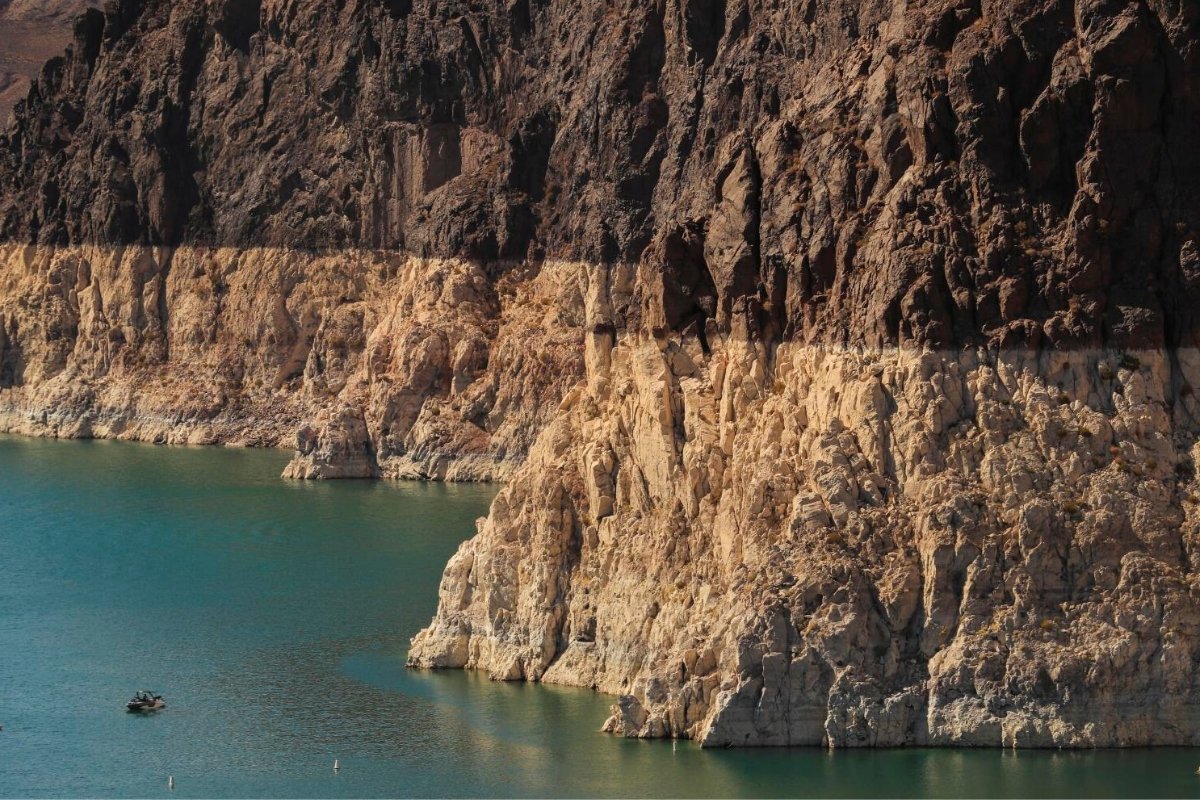
Have you ever wondered how Nevada's Lake Mead can be restored to its former glory? This massive reservoir, created by the Hoover Dam, has faced significant challenges over the years. Water levels have dropped, and the ecosystem has suffered. However, efforts are underway to bring life back to this crucial water source. From innovative water management techniques to community-driven conservation projects, many strategies aim to rejuvenate Lake Mead. Understanding these efforts can inspire us all to contribute to preserving this vital resource. Let's dive into the hidden secrets of restoring Lake Mead's ecosystem and see how we can make a difference.
Restoring Lake Mead's Water Levels
Lake Mead, a vital water source for millions, has faced declining water levels due to prolonged drought and overuse. Restoring its water levels is crucial for the ecosystem and the communities relying on it. Here are some hidden secrets to help restore Lake Mead's water levels.
Water Conservation Initiatives: Encouraging residents and businesses to reduce water usage can significantly impact water levels. Simple actions like fixing leaks, using water-efficient appliances, and reducing outdoor water use can make a big difference.
Desalination Plants: Building desalination plants along the coast can provide an alternative water source, reducing the demand on Lake Mead. This technology removes salt from seawater, making it suitable for drinking and irrigation.
Water Recycling Programs: Implementing water recycling programs can help reuse wastewater for non-potable purposes like irrigation and industrial processes. This reduces the overall demand for fresh water from Lake Mead.
Protecting Lake Mead's Wildlife
Lake Mead is home to diverse wildlife, including fish, birds, and mammals. Protecting these species is essential for maintaining a balanced ecosystem. Here are some strategies to help protect Lake Mead's wildlife.
Habitat Restoration Projects: Restoring natural habitats around Lake Mead can provide safe spaces for wildlife to thrive. Planting native vegetation and removing invasive species can improve the overall health of the ecosystem.
Fish Stocking Programs: Introducing native fish species into Lake Mead can help maintain a balanced aquatic ecosystem. These programs can also support recreational fishing, benefiting the local economy.
Wildlife Corridors: Creating wildlife corridors around Lake Mead can help animals move safely between habitats. These corridors can reduce the risk of road accidents and promote genetic diversity among wildlife populations.
Reducing Pollution in Lake Mead
Pollution poses a significant threat to Lake Mead's ecosystem. Reducing pollution can help improve water quality and protect the health of both wildlife and humans. Here are some hidden secrets to reduce pollution in Lake Mead.
Stormwater Management: Implementing stormwater management practices can help reduce the amount of pollutants entering Lake Mead. This includes building retention basins, green roofs, and permeable pavements to capture and filter stormwater.
Agricultural Best Practices: Encouraging farmers to adopt best practices can reduce agricultural runoff into Lake Mead. Techniques like crop rotation, cover cropping, and precision irrigation can minimize the use of fertilizers and pesticides.
Public Awareness Campaigns: Educating the public about the importance of reducing pollution can encourage responsible behavior. Campaigns can focus on proper waste disposal, reducing plastic use, and preventing littering around Lake Mead.
Enhancing Recreational Opportunities
Lake Mead offers numerous recreational opportunities, attracting visitors from around the world. Enhancing these opportunities can promote sustainable tourism and support the local economy. Here are some ways to enhance recreational opportunities at Lake Mead.
Eco-friendly Tourism: Promoting eco-friendly tourism can help protect Lake Mead's natural resources. This includes encouraging visitors to follow Leave No Trace principles, using sustainable transportation, and supporting local businesses.
Improved Facilities: Upgrading facilities like campgrounds, picnic areas, and boat ramps can enhance the visitor experience. Providing amenities like clean restrooms, potable water, and shaded areas can make Lake Mead more attractive to tourists.
Educational Programs: Offering educational programs about Lake Mead's ecosystem can help visitors appreciate its natural beauty. Guided tours, interpretive signage, and visitor centers can provide valuable information about the lake's history and wildlife.
The Path Forward for Lake Mead
Restoring Lake Mead's ecosystem is crucial for the environment and local communities. Efforts like reducing water usage, controlling invasive species, and supporting native wildlife are key. Community involvement plays a big role. Simple actions like conserving water at home and participating in local clean-up events can make a difference.
Government policies and funding are also essential. Supporting legislation that protects water resources and funds restoration projects helps ensure long-term success. Collaboration between scientists, policymakers, and residents creates a stronger impact.
Lake Mead's future depends on collective action. By working together, we can restore its natural beauty and ecological balance. This benefits not just the environment but also the people who rely on the lake for recreation and livelihood. Let's take steps today to secure a healthier tomorrow for Lake Mead.
