Hidden Insights Of Nevada’s Desert Water Research
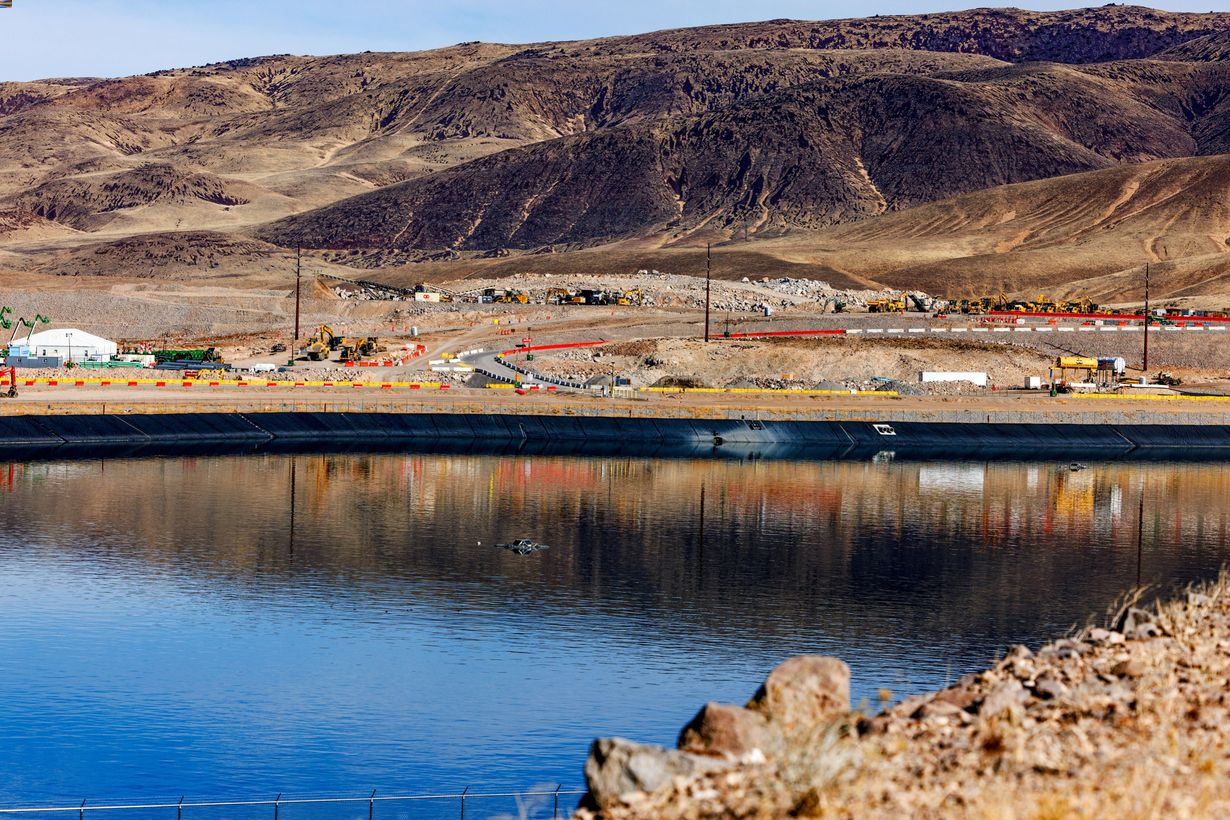
Ever wondered how water research happens in the middle of a desert? Nevada, known for its arid landscapes, might surprise you. Scientists and researchers work tirelessly to understand water sources, usage, and conservation in this unique environment. They study underground aquifers, rainfall patterns, and even the impact of climate change. This research helps ensure that communities have access to clean water despite the challenging conditions. From advanced technology to traditional methods, the efforts in Nevada's desert water research are both fascinating and crucial. Let's dive into the hidden world of water science in one of the driest places in the United States.
Nevada's Desert Water Research: An Unexpected Oasis
Nevada, known for its arid landscapes and bustling cities like Las Vegas, holds a secret treasure: groundbreaking desert water research. This research is crucial for understanding how to manage water resources in dry regions. Let's dive into some key places where this important work is happening.
1. Desert Research Institute (DRI)
The Desert Research Institute (DRI) in Reno is a leader in environmental research. Scientists here study water resources, climate change, and air quality. Their work helps improve water management in arid regions.
2. Great Basin National Park
Great Basin National Park is not just a beautiful place to visit; it's also a hub for hydrological studies. Researchers examine the park's unique water systems, including underground aquifers and ancient bristlecone pines, to understand water flow in desert environments.
3. University of Nevada, Las Vegas (UNLV)
UNLV's Water Resources Management program focuses on sustainable water use. Students and faculty work on projects that address water scarcity, conservation, and policy. Their research benefits both local communities and global water management efforts.
4. Lake Mead National Recreation Area
Lake Mead, the largest reservoir in the United States, is a critical site for water research. Scientists study its water levels, quality, and usage to develop strategies for maintaining this vital resource. The insights gained here are essential for managing water in the Southwest.
5. Nevada Water Science Center
The Nevada Water Science Center, part of the U.S. Geological Survey, conducts extensive research on water resources. Their work includes monitoring groundwater levels, analyzing water quality, and studying the effects of climate change on water availability.
6. Walker Basin Conservancy
The Walker Basin Conservancy focuses on restoring and maintaining the Walker River and its watershed. Researchers here work on projects to improve water quality, enhance habitats, and ensure sustainable water use for agriculture and wildlife.
7. Pyramid Lake Paiute Tribe
The Pyramid Lake Paiute Tribe conducts research on Pyramid Lake, one of Nevada's largest natural lakes. Their studies focus on water quality, fish populations, and the impacts of climate change. This research is vital for preserving the lake's ecosystem and cultural significance.
8. Southern Nevada Water Authority (SNWA)
The Southern Nevada Water Authority (SNWA) is dedicated to managing and conserving water resources in the Las Vegas Valley. Their research includes studying water usage patterns, developing conservation programs, and exploring new water sources.
9. Nevada Agricultural Experiment Station
The Nevada Agricultural Experiment Station at the University of Nevada, Reno, conducts research on water use in agriculture. Scientists here develop innovative irrigation techniques and study crop water requirements to improve water efficiency in farming.
10. Red Rock Canyon National Conservation Area
Red Rock Canyon is not only a stunning natural area but also a site for hydrological research. Scientists study the area's unique water systems, including springs and seasonal streams, to understand how water moves through desert landscapes.
11. Nevada State Climate Office
The Nevada State Climate Office provides valuable data on climate patterns and water resources. Their research helps predict drought conditions, manage water supplies, and develop strategies for adapting to climate change.
12. Truckee Meadows Water Authority (TMWA)
TMWA manages water resources for the Reno-Sparks area. Their research focuses on water supply, quality, and conservation. They also work on projects to improve water infrastructure and ensure a reliable water supply for the community.
13. Ash Meadows National Wildlife Refuge
Ash Meadows is a unique desert oasis with rare plants and animals. Researchers study its springs and wetlands to understand how water supports this fragile ecosystem. Their work helps protect this vital habitat and its water resources.
14. Nevada Water Resources Association (NWRA)
NWRA is a professional organization dedicated to advancing water resource management in Nevada. They provide education, training, and research opportunities for water professionals. Their work helps improve water management practices across the state.
15. Lahontan Valley Wetlands
The Lahontan Valley Wetlands are a critical habitat for migratory birds. Researchers study the wetlands' water sources, quality, and usage to develop strategies for preserving this important ecosystem. Their work ensures the wetlands remain a haven for wildlife.
The Future of Nevada's Desert Water Research
Nevada's desert water research is crucial for understanding how to manage scarce water resources. Scientists and researchers are working hard to find sustainable solutions for water conservation. Their efforts not only benefit Nevada but also offer valuable insights for other arid regions around the world. By studying the unique challenges of the desert environment, they are developing innovative methods to ensure water availability for future generations. Supporting these research initiatives is essential for tackling water scarcity and promoting environmental sustainability. As we look ahead, continued investment in research and technology will play a key role in addressing the pressing water issues faced by desert communities. Nevada's work in this field sets a strong example, showing how dedicated research can lead to meaningful change and a more sustainable future.