Secrets Of Nebraska’s Mormon Pioneer Trail Ruins
Have you ever wondered what it was like for the Mormon pioneers as they journeyed across Nebraska? The Mormon Pioneer Trail offers a glimpse into their challenging trek. Stretching across the state, this trail is dotted with historical markers, ruins, and breathtaking landscapes. Imagine walking in the footsteps of those who braved harsh conditions to seek a new life. From the rolling plains to the rugged bluffs, each stop along the trail tells a story of resilience and hope. Whether you're a history buff or just love a good adventure, the Mormon Pioneer Trail in Nebraska promises a unique experience.
Discovering the Mormon Pioneer Trail Ruins in Nebraska
Nebraska's Mormon Pioneer Trail is a journey through history, where the past whispers through the ruins scattered along the path. These remnants tell tales of courage, faith, and perseverance. Let's explore some of the most intriguing sites along this historic trail.
Historic Sites Along the Trail
The Mormon Pioneer Trail in Nebraska is dotted with fascinating ruins and landmarks. Each site offers a unique glimpse into the lives of the pioneers who traveled this path in search of a better life.
Winter Quarters: Located in present-day Omaha, Winter Quarters was a major settlement for the Mormon pioneers during the winter of 1846-1847. The cemetery here holds the graves of many who perished during that harsh winter.
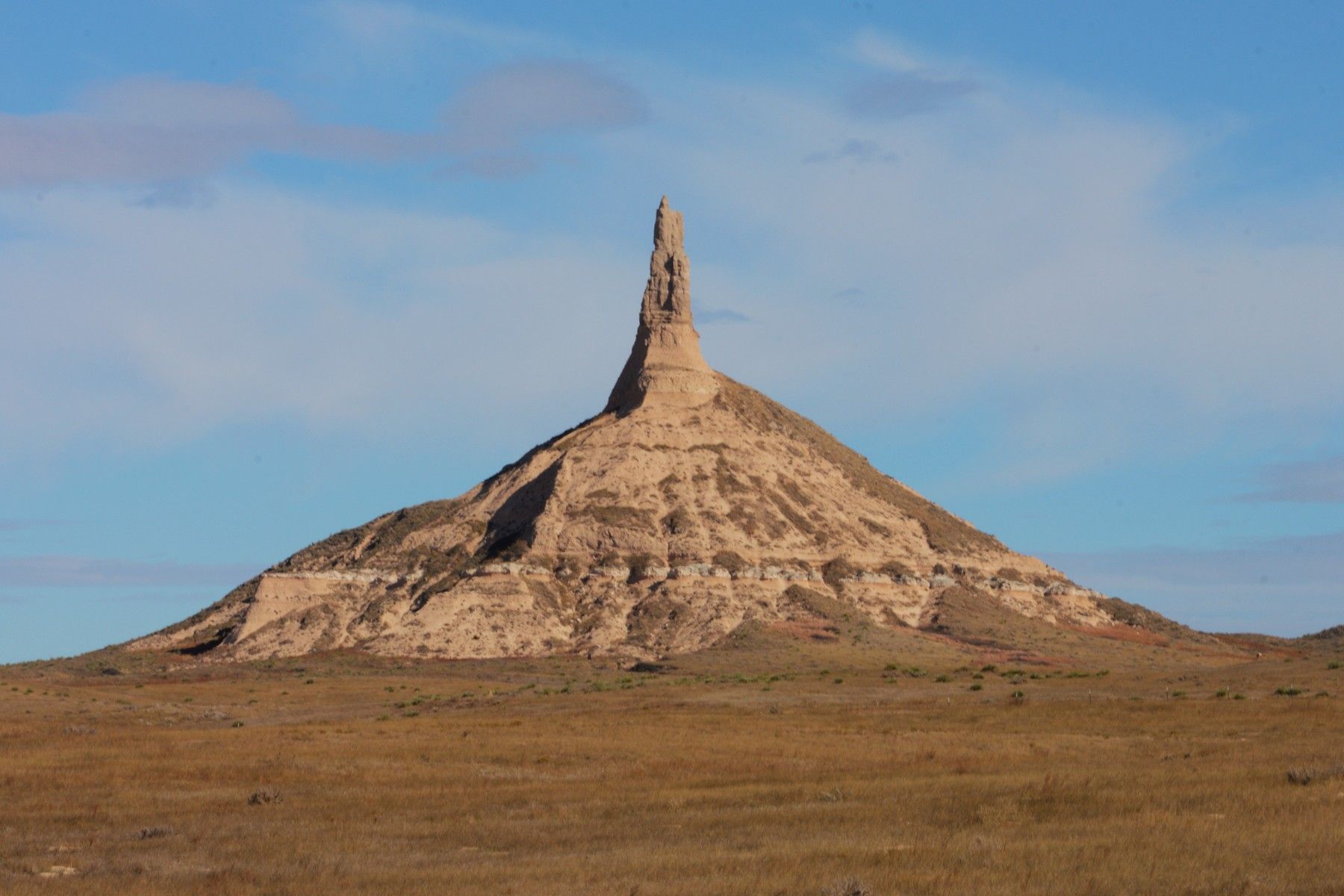
Chimney Rock: This iconic landmark served as a guidepost for pioneers. Its towering spire is a testament to the natural beauty and challenges faced by those who journeyed westward.
Scotts Bluff: Another significant landmark, Scotts Bluff provided a vantage point for travelers. The museum here offers artifacts and exhibits that bring the pioneer experience to life.
Fort Kearny: Established to protect travelers on the Oregon, California, and Mormon Trails, Fort Kearny was a crucial stop. The reconstructed fort and visitor center provide a window into the past.
Ash Hollow: This site was a popular camping spot for pioneers. The Ash Hollow Cave and the nearby visitor center offer insights into the area's history and geology.
Hidden Gems Along the Trail
Beyond the well-known landmarks, the Mormon Pioneer Trail in Nebraska hides lesser-known ruins and sites that are equally captivating.
Rock Creek Station: This historic site was a stage and Pony Express station. The preserved buildings and interpretive trails offer a glimpse into the daily life of travelers and settlers.
Courthouse and Jail Rocks: These twin rock formations were important landmarks for pioneers. The area around them is rich in history and offers stunning views of the surrounding plains.
Windlass Hill: This steep hill was a challenging part of the trail for wagons. The ruts left by pioneer wagons are still visible, providing a tangible connection to the past.
Mormon Island State Recreation Area: Named after the Mormon pioneers who camped here, this area offers recreational activities and a chance to reflect on the journey of those who came before.
Platte River Valley: The valley was a vital route for pioneers. Today, it offers scenic views and opportunities for hiking, birdwatching, and exploring the natural beauty of Nebraska.
Preserving the Legacy
The ruins and landmarks along the Mormon Pioneer Trail are more than just historical sites; they are a testament to the resilience and determination of those who traveled this path. Preserving these sites ensures that future generations can learn from and be inspired by the stories of the past.
Mormon Pioneer Cemetery: Located in Florence, this cemetery is the final resting place for many pioneers. The monuments and markers here honor their memory and sacrifices.
Fort Sidney: This military post played a role in protecting pioneers. The remaining buildings and museum offer a glimpse into the fort's history and its significance on the trail.
California Hill: This hill was a major obstacle for pioneers. The deep ruts carved by wagons are still visible, serving as a reminder of the challenges faced by those who traveled west.
Pony Express Station at Gothenburg: This well-preserved station offers a look into the history of the Pony Express and its connection to the Mormon Trail. The exhibits and artifacts provide a deeper understanding of this era.
Oregon Trail Wagon Train: Located near Bayard, this site offers a unique experience with replica wagons and interpretive programs. It provides a hands-on way to learn about the pioneer journey.
Conclusion
Nebraska's Mormon Pioneer Trail is a treasure trove of history, filled with ruins and landmarks that tell the story of a remarkable journey. Each site offers a unique perspective on the challenges and triumphs of the pioneers. Exploring these sites is not just a trip through history but a journey into the heart of the American spirit.
Discovering the Legacy of the Mormon Pioneer Trail
Nebraska's Mormon Pioneer Trail offers a unique glimpse into the past. Exploring these ruins, you can feel the determination and resilience of the early settlers. Each site tells a story of hardship, hope, and community. Visiting these historic locations, you gain a deeper appreciation for the journey these pioneers undertook. The trail isn't just a series of old structures; it's a testament to human spirit and perseverance. Whether you're a history buff or just curious, the Mormon Pioneer Trail provides a meaningful experience. Take the time to walk in the footsteps of those who came before. You'll leave with a greater understanding of their struggles and triumphs. Nebraska's hidden gems await your discovery. So, pack your bags, hit the trail, and let history come alive.