

Secrets Of Wildfire Recovery In Glacier Park
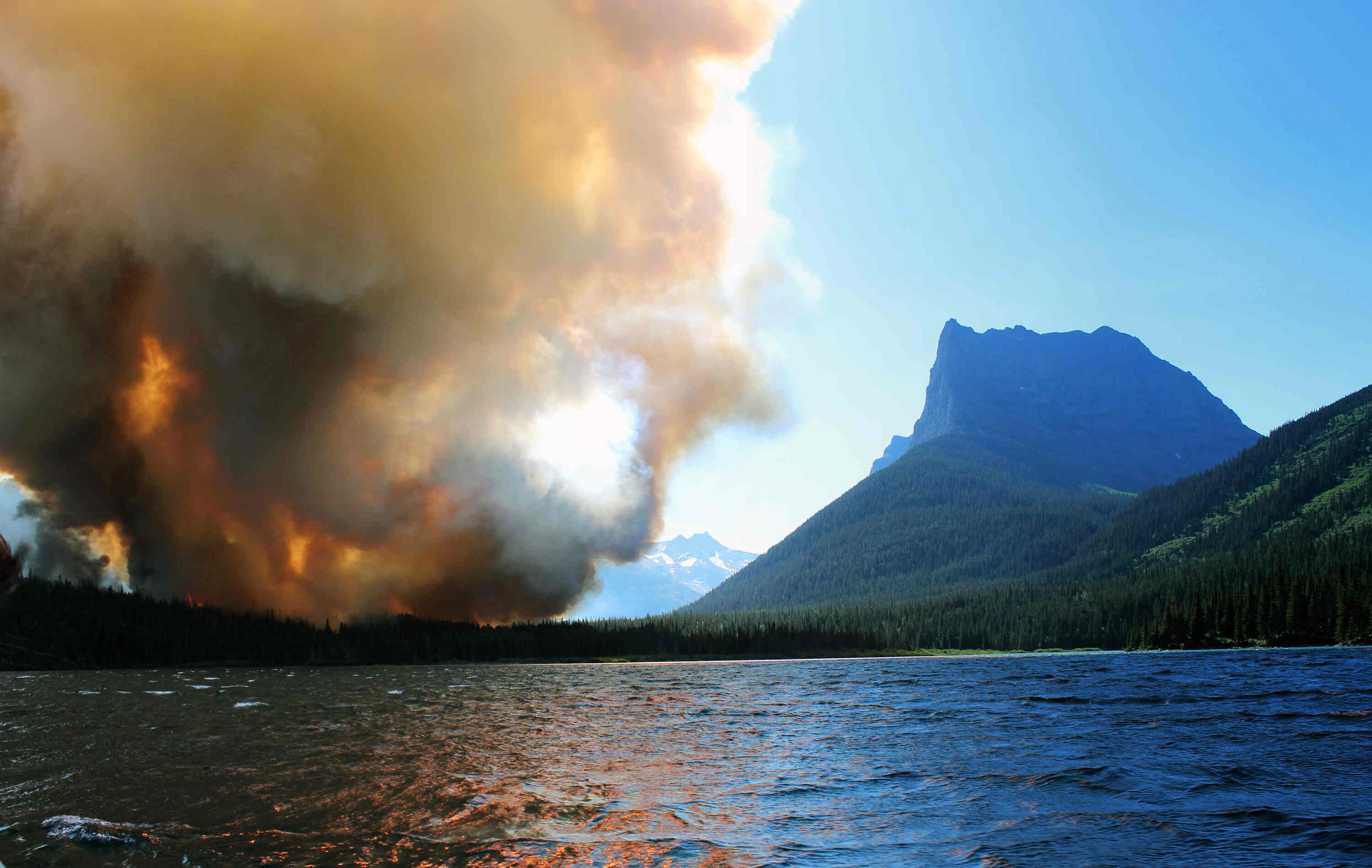
Have you ever wondered how nature bounces back after a wildfire? Glacier National Park offers a stunning example of this resilience. Wildfires might seem destructive, but they play a crucial role in maintaining the health of forests. In Glacier Park, you can witness firsthand how plants and animals adapt and thrive after such events. From the regrowth of trees to the return of wildlife, the park transforms in fascinating ways. Understanding wildfire recovery in Glacier Park not only deepens your appreciation for nature but also highlights the importance of these natural processes. Ready to learn more about this incredible cycle? Let’s dive in!
Secrets of Wildfire Recovery in Glacier Park
Glacier National Park, with its stunning landscapes and diverse ecosystems, has faced numerous wildfires over the years. These fires, while devastating, play a crucial role in the park's natural cycle. Recovery from wildfires is a fascinating process, revealing nature's resilience and adaptability. Let's explore some key areas in Glacier Park where wildfire recovery is most evident.
1. McDonald Valley
McDonald Valley, one of the most visited areas in Glacier Park, has experienced several wildfires. The valley's recovery showcases the park's ability to bounce back.
- Regrowth of Lodgepole Pines: Lodgepole pines are among the first trees to regrow after a fire. Their seeds are released from cones that open in the heat of the fire.
- Wildflower Blooms: Post-fire, the valley bursts into a colorful display of wildflowers, which thrive in the nutrient-rich soil left by the fire.
- Wildlife Return: Animals like deer and elk return to the valley, attracted by the new growth and abundant food sources.
2. St. Mary Valley
St. Mary Valley, located on the east side of Glacier Park, has also seen its share of wildfires. The valley's recovery process is a testament to nature's resilience.
- Aspen Groves: Aspen trees quickly sprout new shoots from their roots after a fire, creating vibrant groves that support diverse wildlife.
- Bird Populations: Birds such as woodpeckers and bluebirds thrive in post-fire environments, feeding on insects and nesting in dead trees.
- Fireweed: This bright pink flower is one of the first plants to appear after a fire, covering the valley in a sea of color.
3. Many Glacier Area
The Many Glacier area, known for its stunning scenery and abundant wildlife, has also been shaped by wildfires. The recovery here highlights the interconnectedness of the park's ecosystems.
- Grizzly Bears: Grizzly bears benefit from post-fire environments, as fires promote the growth of berry-producing plants, a crucial food source for these bears.
- New Meadows: Fires create open meadows that support a variety of plant and animal species, increasing biodiversity.
- Insect Life: Insects play a vital role in the recovery process, breaking down dead wood and enriching the soil.
4. North Fork Area
The remote North Fork area of Glacier Park has experienced significant wildfires, leading to remarkable recovery stories.
- Ponderosa Pines: These trees have thick bark that protects them from fire, allowing them to survive and continue growing.
- Mushroom Growth: After a fire, mushrooms proliferate, breaking down organic matter and contributing to soil health.
- Moose Habitat: Moose thrive in post-fire environments, feeding on the new growth and finding shelter in the regenerating forests.
5. Two Medicine Valley
Two Medicine Valley, with its rich cultural history and stunning landscapes, has also been impacted by wildfires. The valley's recovery showcases the dynamic nature of Glacier Park.
- Huckleberry Bushes: These bushes flourish after a fire, providing food for both wildlife and visitors.
- Beaver Activity: Beavers play a crucial role in the recovery process, building dams that create wetlands and support diverse ecosystems.
- New Trails: Fires often lead to the creation of new trails, offering visitors unique perspectives on the park's recovery.
6. Bowman Lake Area
Bowman Lake, a serene and less-visited part of Glacier Park, has also experienced wildfires. The recovery here is a testament to the park's resilience.
- Spruce and Fir Trees: These trees slowly regrow after a fire, gradually restoring the forest canopy.
- Aquatic Life: Fire-affected streams and lakes see a resurgence of aquatic life, as nutrient-rich ash promotes the growth of algae and other organisms.
- Visitor Experience: The changing landscape offers visitors a unique opportunity to witness the park's recovery firsthand, fostering a deeper appreciation for nature's resilience.
The Path Forward for Glacier Park
Glacier Park's recovery from wildfires shows nature's resilience. The park's ecosystem, though scarred, is bouncing back. Trees are sprouting, animals are returning, and the landscape is healing. Visitors can witness this transformation firsthand, gaining a deeper appreciation for the park's beauty and strength.
Efforts by park rangers and conservationists play a crucial role. They manage controlled burns, plant native species, and monitor wildlife. These actions help speed up recovery and ensure the park remains a sanctuary for future generations.
Tourists can support these efforts by following guidelines, staying on trails, and respecting wildlife. Every small action contributes to the park's healing process.
Glacier Park's journey through wildfire recovery is ongoing. With continued care and respect, it will thrive once more, offering breathtaking views and unforgettable experiences for all who visit.
