Montana’s Ghost Towns And Mining Camps You Never Knew About
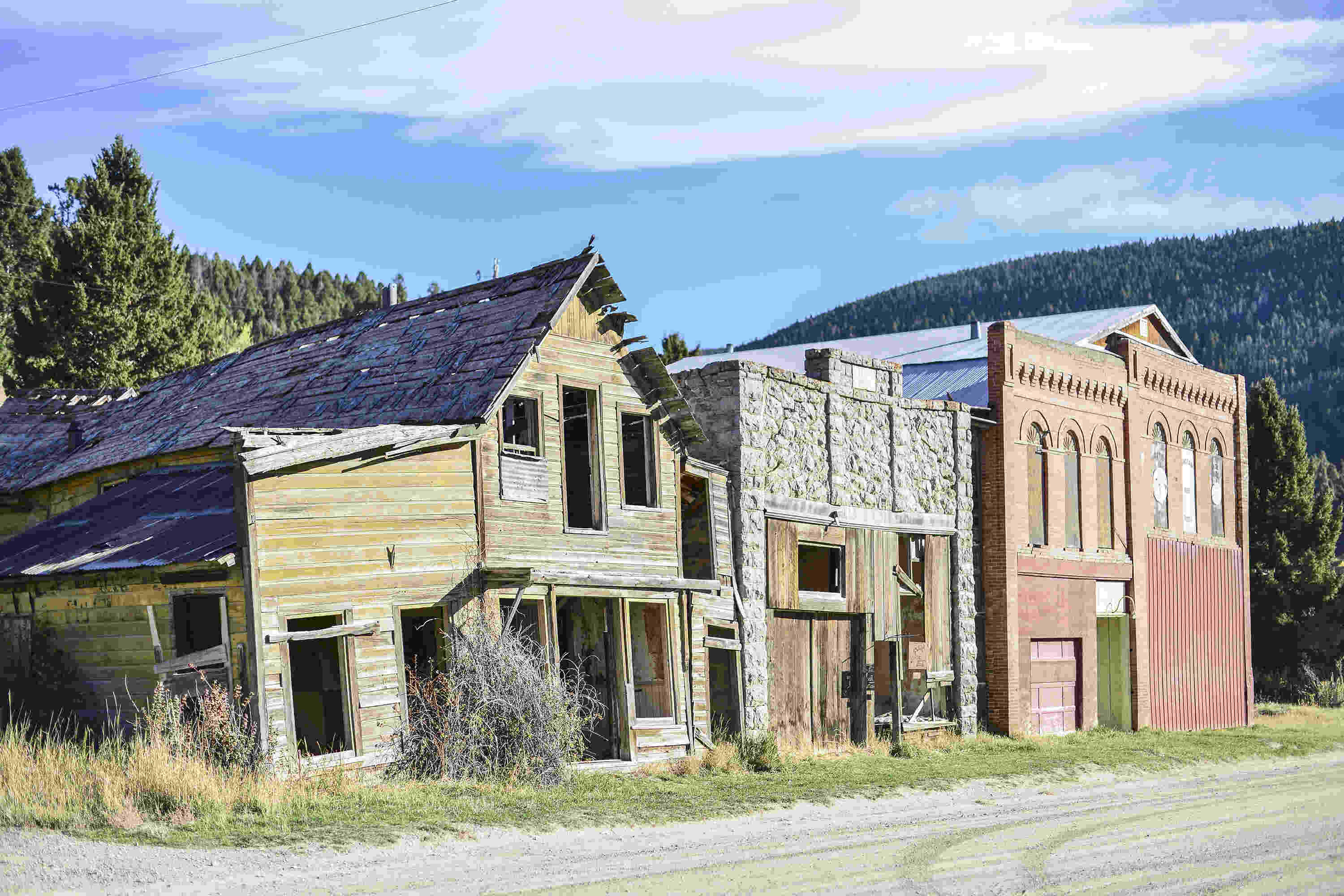
Have you ever wondered what life was like during the gold rush? Montana's ghost towns and mining camps offer a glimpse into that past. These abandoned places, once bustling with miners and their families, now stand silent, telling stories of boom and bust. From Bannack to Garnet, each location has its unique charm and history. Walking through these towns, you can almost hear the echoes of pickaxes and the hopes of striking it rich. Whether you're a history buff or just love exploring off-the-beaten-path destinations, Montana's ghost towns and mining camps are a must-see. Ready to step back in time?
Montana's Ghost Towns and Mining Camps You Never Knew About
Montana, known for its stunning landscapes and rich history, hides many secrets. Among them are ghost towns and mining camps that tell tales of a bygone era. These places, once bustling with life, now stand as silent witnesses to the past. Let's uncover some of these hidden gems.
1. Bannack
Bannack, the first territorial capital of Montana, is a well-preserved ghost town. Founded in 1862 after a major gold strike, it quickly grew into a bustling community. Today, visitors can walk through over 60 structures, including a hotel, schoolhouse, and church. Bannack State Park offers guided tours, making it a perfect spot for history buffs.
2. Virginia City
Virginia City, another gold rush town, offers a glimpse into the 1860s. Once the largest town in the inland Northwest, it now serves as a living history museum. Stroll down the boardwalks, visit the old saloons, and catch a live theater performance. Virginia City is a must-see for anyone interested in Montana's mining history.
3. Garnet
Garnet, nestled in the mountains, is one of Montana's best-preserved ghost towns. Founded in the 1890s, it thrived on gold mining. Today, about 30 buildings remain, including a hotel, saloon, and general store. Garnet is accessible year-round, but winter visits require snowmobiles or skis, adding to the adventure.
4. Elkhorn
Elkhorn, a silver mining town, offers a quieter experience. Founded in the 1870s, it once boasted a population of over 2,500. Now, only a few buildings remain, including the Fraternity Hall and Gillian Hall, both known for their unique architecture. Elkhorn is perfect for those seeking solitude and history.
5. Granite
Granite, perched high in the mountains, was once the richest silver mine in the world. Founded in the 1870s, it grew rapidly but declined just as quickly. Today, visitors can explore the remnants of the mine, the superintendent's house, and the old jail. Granite offers a rugged, off-the-beaten-path experience.
6. Castle Town
Castle Town, named for its castle-like rock formations, was a silver mining camp. Founded in the 1880s, it quickly grew but faded by the early 1900s. Today, only a few structures remain, including a hotel and a smelter. Castle Town's remote location makes it a hidden gem for adventurous explorers.
7. Coloma
Coloma, a lesser-known ghost town, offers a glimpse into Montana's mining past. Founded in the 1890s, it never reached the size of other towns but still has several structures standing. Visitors can explore the remains of cabins, a schoolhouse, and a stamp mill. Coloma is perfect for those looking to escape the crowds.
8. Marysville
Marysville, once a thriving gold mining town, now stands as a quiet reminder of the past. Founded in the 1870s, it was home to the famous Drumlummon Mine. Today, visitors can see the old church, schoolhouse, and several homes. Marysville's charm lies in its peaceful setting and rich history.
9. Comet
Comet, a silver mining town, offers a unique glimpse into Montana's mining history. Founded in the 1880s, it thrived until the early 1900s. Today, visitors can explore the remains of the mill, several cabins, and the old schoolhouse. Comet's remote location adds to its allure.
10. Kendall
Kendall, a gold mining town, offers a fascinating look into the early 1900s. Founded in 1901, it grew rapidly but declined by 1920. Today, visitors can see the remains of the mill, the schoolhouse, and several homes. Kendall's remote location makes it a perfect spot for history enthusiasts.
Montana's ghost towns and mining camps offer a unique window into the past. Each town tells a story of hope, hard work, and eventual decline. Exploring these places provides a deeper understanding of Montana's rich history and the people who shaped it.
Hidden Gems of Montana
Montana's ghost towns and mining camps offer a unique glimpse into the past. These hidden gems, like Bannack, Garnet, and Virginia City, tell stories of gold rushes, abandoned dreams, and rugged pioneers. Exploring these sites, you'll find old buildings, rusty mining equipment, and maybe even a ghost story or two. Each location has its own charm and history, making them perfect for history buffs and adventure seekers alike. Visiting these spots not only supports local tourism but also helps preserve important pieces of American history. So, next time you're planning a trip, consider adding Montana's ghost towns and mining camps to your itinerary. You'll walk away with unforgettable memories and a deeper appreciation for the state's rich heritage.