Part of our Montana guide.
Wildlife encounters in Montana range from bison restoration on tribal lands to bugling elk in Glacier National Park and up-close views of grizzlies, wolves, and otters at dedicated discovery centers. This page gathers 13 places and guides from our coverage, each with specific locations, animals, and practical details for planning your trip.
Bison Return To Montana's Blackfeet Nation
The Blackfeet Nation has worked to bring back bison, a symbol of strength and resilience, to their lands after the species nearly went extinct. These efforts restore the ecosystem and revive cultural traditions deeply connected to the bison. Visitors can see these powerful creatures grazing on the plains, a sight that connects the past with the present. The restoration impacts both the environment and the community, offering a rare chance to witness a living cultural revival on the Blackfeet Reservation.
Wild Encounters Await At ZooMontana
ZooMontana in Billings offers a unique experience where you can see animals from around the world in natural habitats. This zoo focuses on understanding animals, not just viewing them. You can walk through lush gardens, watch playful otters, and meet a red panda. Educational programs for all ages make it a perfect family outing. The zoo's exhibits include species from diverse ecosystems, and the setting allows for close observation of animal behaviors in environments designed to mimic their native ranges.
30 Must Visit Places In Butte
Butte, Montana, blends history, culture, and natural beauty, rooted in its rich mining past. The historic Uptown district and the stunning views at the Berkeley Pit are key stops. Don't miss the World Museum of Mining or a scenic drive through the Continental Divide. These 30 spots include the Copper King Mansion, the Butte-Silver Bow Public Archives, and the Our Lady of the Rockies statue. Each location offers a distinct piece of Butte's story, from underground mine tours to overlooks of the surrounding valleys.
Tech Wonders Await At Bozeman's Robotics Museum
Head to Bozeman, Montana, and visit the Robotics Museum to explore the future of technology. This hidden gem offers a fascinating glimpse into robotics and artificial intelligence through interactive exhibits and cutting-edge displays. The museum showcases advancements shaping our world, with lifelike robots and hands-on activities for kids and adults. Exhibits cover everything from industrial automation to AI-driven design, and the museum regularly updates its displays to reflect current innovations in the field.
Wild Encounters At Grizzly & Wolf Discovery Center
At the Grizzly & Wolf Discovery Center in West Yellowstone, Montana, you can come face-to-face with grizzly bears and wolves. This wildlife park focuses on education and conservation, providing a safe haven for animals that can't survive in the wild. Visitors watch these iconic predators in naturalistic habitats, learn about their behaviors, and understand the challenges they face. The center is open year-round, and admission includes access to all exhibits, including the otter habitat and bird-of-prey displays. Feeding sessions and keeper talks occur daily, with schedules posted at the entrance.
Wild Encounters At National Bison Range
The CSKT Bison Range in Montana is home to bison, deer, antelope, and bighorn sheep. This protected area offers a chance to observe these animals in their natural habitat. As you drive or walk through the range, you'll see bison grazing on the grasslands and bighorn sheep navigating the rocky slopes. The range is managed by the Confederated Salish and Kootenai Tribes, and the visitor center provides maps and information about the best viewing areas. The 18-mile scenic drive takes about two hours, with pullouts for photography and wildlife observation.
Grant-Kohrs Ranch National Historic Site - Montana's Cattle Empire
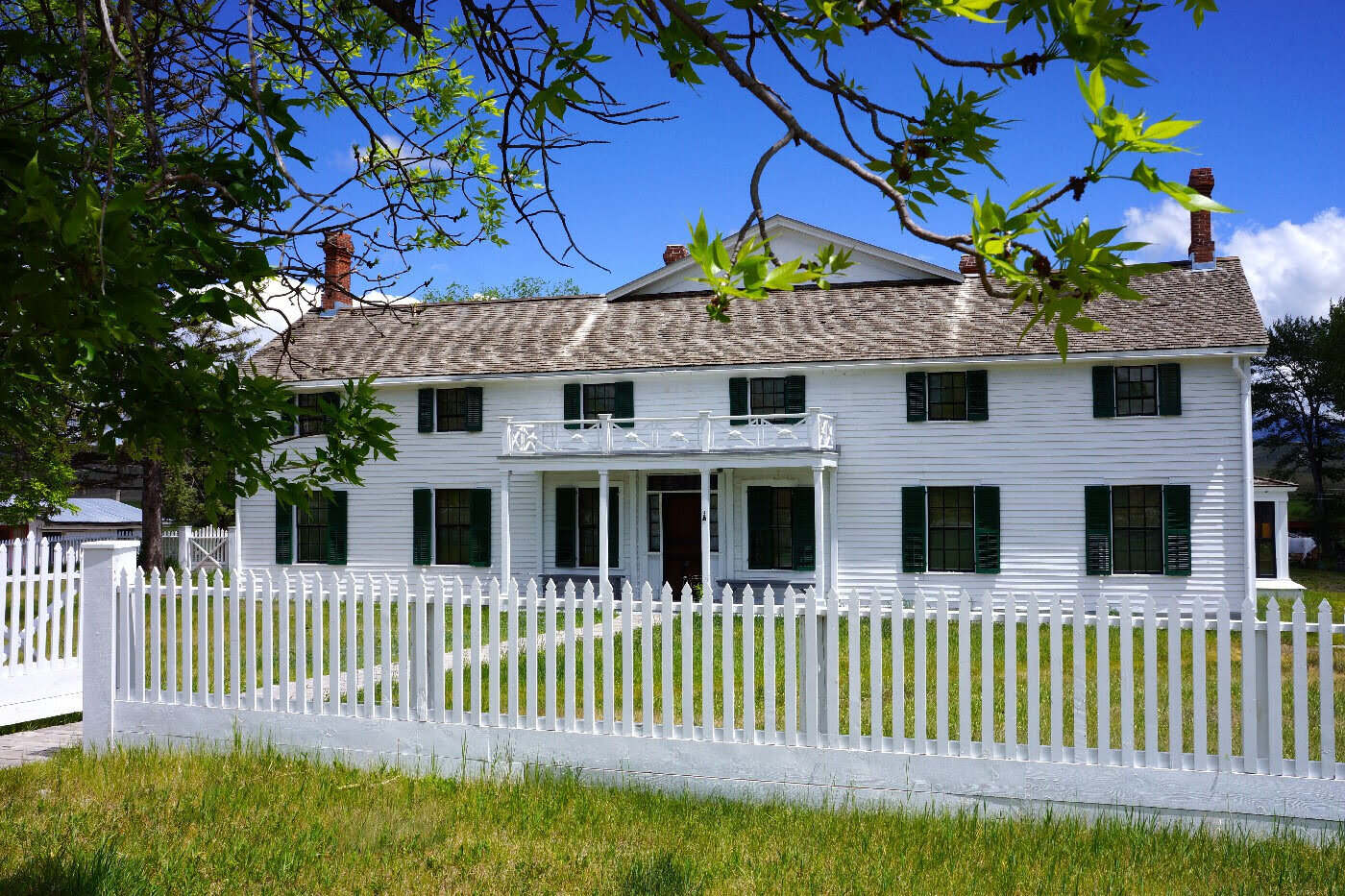
Grant-Kohrs Ranch National Historic Site in Montana preserves the legacy of cattle barons and cowboys from the 19th century. This working ranch showcases daily operations through historic buildings, sprawling pastures, and live demonstrations. Visitors can tour the main ranch house, bunkhouse, and blacksmith shop, and see longhorn cattle and draft horses. The site covers 1,500 acres, and ranger-led programs explain the history of the open-range cattle industry. Admission is free, and the ranch is open daily from late spring through early fall, with reduced hours in winter.
Roar With Excitement At ZooMontana's Amur Tiger Habitat
At ZooMontana, you can experience the thrill of watching Amur tigers in their naturalistic habitat. These big cats, known for their striking orange coats and black stripes, roam freely in a spacious enclosure designed to mimic their wild environment. You'll learn about their behaviors, diet, and conservation efforts aimed at protecting this endangered species. The habitat includes a pond, rocky outcroppings, and dense vegetation. Keeper talks are held twice daily, and the zoo's conservation program supports Amur tiger protection in the Russian Far East.
Thrills Await At Whitefish Mountain's Aerial Adventure Park
Whitefish Mountain's Aerial Adventure Park offers treetop obstacles, ziplines, and wobbly bridges for an adrenaline rush in Montana. Courses are designed for different skill levels, so families, friends, and seasoned adventurers can all find their comfort zone. Safety is a top priority, with harnesses and helmets provided and staff monitoring each course. The park includes a kids' course for ages 4 and up, an intermediate course, and an advanced course with higher elements. Sessions last two hours, and reservations are recommended during peak summer months.
Meet Playful Otters At Grizzly & Wolf Discovery Center
These otters play a crucial role in educating the public about wildlife conservation. Watching them swim, dive, and interact is both entertaining and informative. The otter habitat features a glass viewing wall for underwater observation, and keeper talks explain the otters' natural history and the center's rescue efforts. The center also houses river otters rescued from the fur trade, and their rehabilitation stories are shared during daily presentations.
Echoing Elk Calls In Montana's Glacier Park
Glacier National Park in Montana offers the haunting call of elk echoing through pristine wilderness during the fall. This park, known for its rugged mountains and crystal-clear lakes, is home to a thriving elk population. During the fall, these majestic animals gather in meadows and valleys, making their presence known with distinctive bugle calls. Prime viewing areas include the Many Glacier Valley and the meadows along the Going-to-the-Sun Road. Pack binoculars and hiking boots, and plan for early morning or evening visits when elk are most active. The park's elk herd numbers around 1,000 animals, and bugling peaks in late September and early October.
Blackfoot River Flyfishing Pools Revealed
The Blackfoot River in Montana offers some of the finest flyfishing experiences in the state, with stunning scenery and abundant fish. Cast your line into crystal-clear waters surrounded by towering pine trees and rugged mountains. The river is home to a variety of fish species, including trout and whitefish. Key pools include the "Hole-in-the-Wall" near the Johnsrud Park access and the "Cottonwood Bend" downstream from the Ninemile Bridge. The river is accessible from multiple public access points along Highway 200, and a Montana fishing license is required for all anglers aged 12 and older.
Wildlife Viewing In Montana's Wildlife Refuge
Benton Lake National Wildlife Refuge in Montana is a watchable-wildlife site where you can stand in the heart of nature, surrounded by the sounds of wildlife and rustling leaves. This refuge offers a peaceful escape from busy city life, with opportunities to see deer grazing, bald eagles soaring overhead, and waterfowl on the lake. The refuge features a 12-mile auto tour route, two hiking trails, and three observation blinds. More than 200 bird species have been recorded here, including sandhill cranes, white pelicans, and peregrine falcons. The best viewing times are spring and fall during migration, and the refuge is open daily from sunrise to sunset.