Fire Starting Secrets Of Montana’s Yellowstone
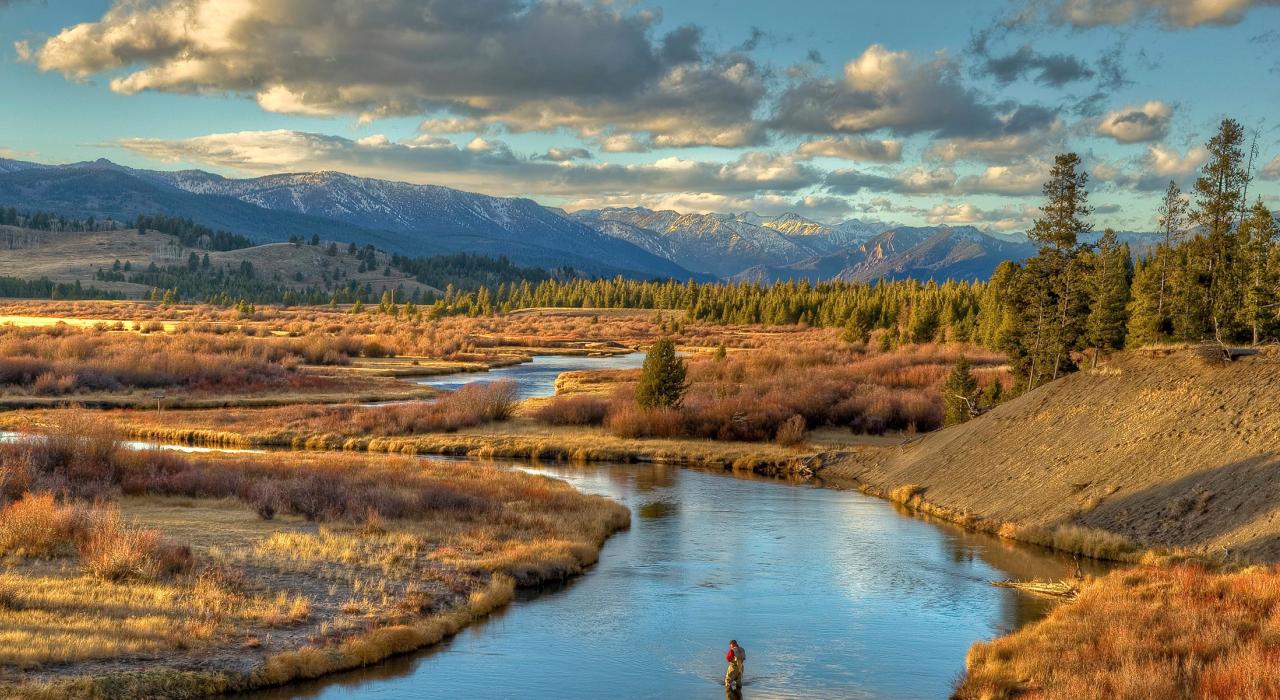
Have you ever wondered how to start a fire in the wilds of Montana's Yellowstone? Whether you're camping, hiking, or just exploring, knowing how to start a fire can be a lifesaver. Yellowstone's vast wilderness offers breathtaking views, but it also demands respect and preparation. In this guide, we'll share fire starting secrets that will help you stay warm, cook food, and keep safe. From choosing the right kindling to using natural resources, these tips will make your outdoor adventure more enjoyable. Ready to become a fire-starting pro in one of the most beautiful places on Earth? Let's get started!
Fire Starting Secrets of Montana's Yellowstone
Yellowstone National Park, a sprawling wilderness in Montana, is a paradise for outdoor enthusiasts. Knowing how to start a fire here can make your adventure safer and more enjoyable. Let's uncover some fire-starting secrets in this iconic park.
1. Old Faithful Geyser
Old Faithful isn't just a marvel to watch; it can also be a great spot to gather dry wood. The area around the geyser is often dry due to the heat, making it easier to find kindling.
2. Mammoth Hot Springs
Mammoth Hot Springs offers a unique landscape with plenty of dry, brittle branches. The geothermal activity keeps the area relatively dry, providing excellent fire-starting materials.
3. Lamar Valley
Lamar Valley, known for its wildlife, also has an abundance of fallen branches and dry grass. These materials are perfect for starting a fire, especially after a long day of hiking.
4. Yellowstone Lake
Yellowstone Lake's shoreline is often littered with driftwood. This wood is usually dry and easy to ignite, making it a reliable source for your campfire.
5. Norris Geyser Basin
Norris Geyser Basin, one of the hottest and most dynamic areas in Yellowstone, has plenty of dry, dead wood. The geothermal heat helps keep the wood dry, making it easier to start a fire.
6. Hayden Valley
Hayden Valley, with its wide-open spaces, offers plenty of dry grass and small twigs. These materials are excellent for kindling and can help you get a fire going quickly.
7. Tower Fall
Tower Fall is not just a beautiful waterfall; the surrounding area is also rich in dry wood and fallen branches. These materials are perfect for starting a campfire.
8. Grand Prismatic Spring
Grand Prismatic Spring, with its vibrant colors, is surrounded by dry, brittle vegetation. This vegetation can be easily gathered and used to start a fire.
9. West Thumb Geyser Basin
West Thumb Geyser Basin, located near Yellowstone Lake, has plenty of dry wood and twigs. The geothermal activity in the area ensures that these materials are usually dry and ready to use.
10. Firehole River
Firehole River, aptly named, is surrounded by dry grass and small branches. These materials are perfect for kindling and can help you get a fire started quickly.
11. Mud Volcano
Mud Volcano, with its bubbling mud pots, is surrounded by dry, dead wood. This wood is often easy to find and can be used to start a fire.
12. Biscuit Basin
Biscuit Basin, known for its unique geothermal features, has plenty of dry vegetation. This vegetation can be easily gathered and used to start a fire.
13. Artist Point
Artist Point offers stunning views and plenty of dry wood. The area is often dry, making it easier to find materials for your campfire.
14. Fountain Paint Pot
Fountain Paint Pot, with its colorful mud pots, is surrounded by dry, brittle branches. These branches can be easily gathered and used to start a fire.
15. Gibbon Falls
Gibbon Falls, a beautiful waterfall, is surrounded by dry wood and fallen branches. These materials are perfect for starting a campfire.
Mastering Fire Starting in Yellowstone
Starting a fire in Montana's Yellowstone requires skill and respect for nature. Always carry fire-starting tools like waterproof matches or a reliable lighter. Dry kindling is crucial, so gather small twigs, leaves, and bark. Build a teepee structure with your kindling for better airflow. Once lit, gradually add larger logs to maintain the fire. Remember to choose a safe location, away from overhanging branches and dry grass. Never leave a fire unattended and always extinguish it completely before leaving. Douse it with water, stir the ashes, and douse again to ensure it's out. Practicing these techniques not only ensures a successful fire but also protects the beautiful Yellowstone environment. Enjoy your time in the wild, and stay safe.