

Hidden Wildlife Research Stations In Missouri’s Ozark Riverways
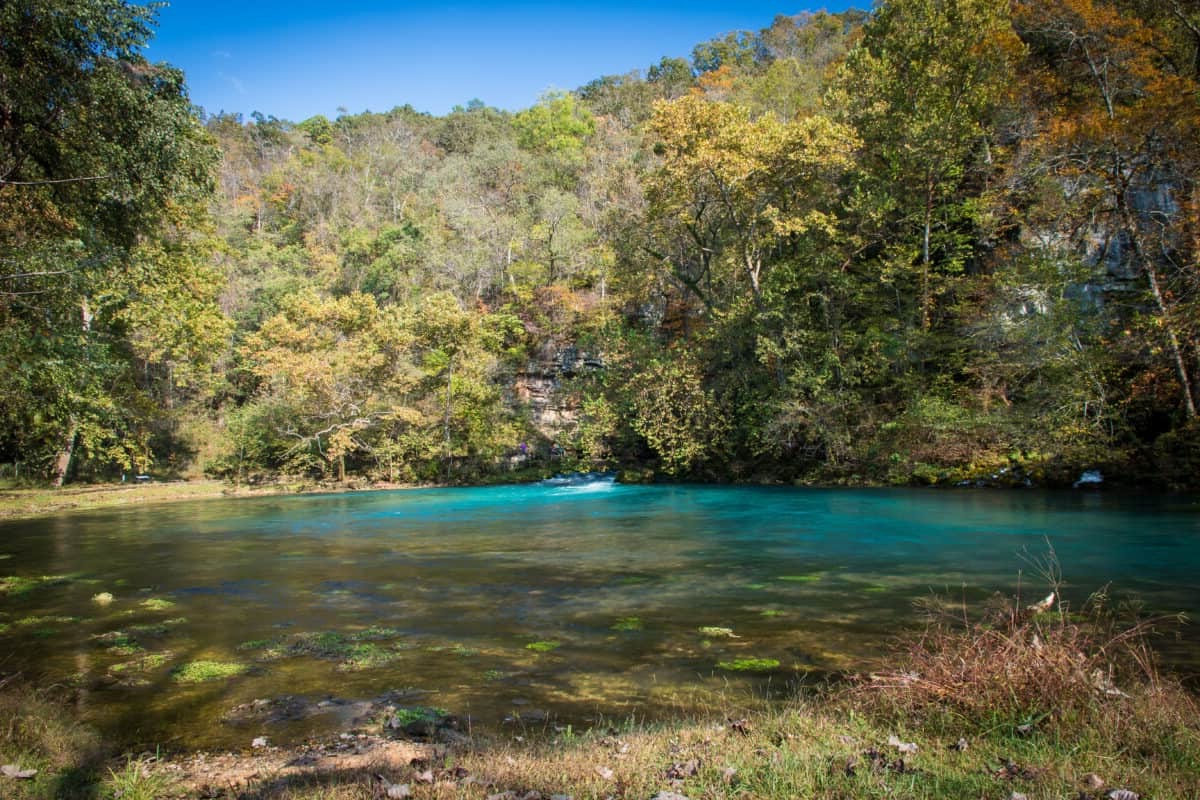
Have you ever wondered about the hidden wildlife research stations in Missouri's Ozark Riverways? These places are tucked away in the lush forests and rolling hills of the Ozarks, offering a unique glimpse into the natural world. Scientists and researchers work tirelessly to study and protect the diverse species that call this area home. From tracking elusive animals to monitoring plant life, these stations play a crucial role in conservation efforts. Whether you're a nature enthusiast or just curious about what goes on behind the scenes, exploring these research stations can be an eye-opening experience. Let's take a closer look at what makes these hidden gems so special.
Discovering Missouri's Ozark Riverways
Missouri's Ozark Riverways is a treasure trove of natural beauty and hidden wildlife research stations. These stations are crucial for studying and preserving the diverse ecosystems found in this region. Let's explore some of the hidden gems where scientists and nature enthusiasts work tirelessly to understand and protect wildlife.
1. Alley Spring Research Station
Nestled near the picturesque Alley Spring, this research station focuses on aquatic life and water quality. Scientists here study the unique species that thrive in the spring's crystal-clear waters.
- Aquatic Life Studies: Researchers monitor fish populations and aquatic plants.
- Water Quality Monitoring: Regular testing ensures the health of the spring and its inhabitants.
2. Big Spring Research Station
Big Spring, one of the largest springs in the United States, is home to a research station dedicated to studying the spring's impact on the surrounding ecosystem.
- Spring Flow Analysis: Scientists measure the spring's flow rate and its effects on local waterways.
- Biodiversity Surveys: Regular surveys document the variety of species living in and around the spring.
3. Round Spring Research Station
Round Spring's research station focuses on cave ecosystems and the unique species that inhabit them. This station is a hub for speleological studies.
- Cave Species Research: Scientists study bats, cavefish, and other cave-dwelling creatures.
- Geological Studies: The station also conducts research on the cave's geological formations.
4. Blue Spring Research Station
Blue Spring, known for its stunning blue waters, hosts a research station that examines the spring's unique chemistry and its effects on local wildlife.
- Chemical Analysis: Researchers analyze the spring's water chemistry to understand its unique properties.
- Wildlife Impact Studies: The station studies how the spring's water quality affects local flora and fauna.
5. Welch Spring Research Station
Welch Spring's research station is dedicated to studying the historical and ecological significance of the area. This station combines historical research with ecological studies.
- Historical Research: Scientists explore the history of Welch Spring and its impact on local communities.
- Ecological Studies: The station also monitors the health of the spring and its surrounding ecosystem.
6. Greer Spring Research Station
Greer Spring, the second-largest spring in Missouri, is home to a research station that focuses on the spring's hydrology and its role in the local environment.
- Hydrological Studies: Researchers study the spring's flow patterns and their impact on local waterways.
- Environmental Impact Research: The station examines how changes in the spring's flow affect the surrounding ecosystem.
7. Current River Research Station
Located along the Current River, this research station focuses on riverine ecosystems and the species that inhabit them. It's a key site for studying the health of the river and its biodiversity.
- River Health Monitoring: Scientists conduct regular assessments of the river's water quality.
- Species Surveys: The station documents the variety of fish, birds, and other wildlife that depend on the river.
8. Jacks Fork Research Station
Jacks Fork, a tributary of the Current River, hosts a research station that studies the unique ecosystems found along its banks. This station is vital for understanding the river's role in the larger Ozark Riverways system.
- Ecosystem Studies: Researchers examine the diverse habitats found along Jacks Fork.
- Conservation Efforts: The station works on projects to protect and restore these vital ecosystems.
9. Eleven Point River Research Station
The Eleven Point River's research station focuses on the river's unique aquatic ecosystems and the species that call it home. This station is essential for preserving the river's natural beauty and biodiversity.
- Aquatic Ecosystem Research: Scientists study the river's fish populations and aquatic plants.
- Biodiversity Monitoring: Regular surveys track the health and diversity of the river's wildlife.
10. Ozark National Scenic Riverways Headquarters
The headquarters of the Ozark National Scenic Riverways serves as a central hub for coordinating research efforts across the region. This facility supports various research stations and ensures the protection of the area's natural resources.
- Research Coordination: The headquarters coordinates research projects and data sharing among different stations.
- Resource Protection: Staff work to ensure the preservation of the Ozark Riverways' unique ecosystems.
Discovering Missouri's Hidden Wildlife Research Stations
Missouri's Ozark Riverways offer a unique chance to see hidden wildlife research stations. These spots are not just for scientists. They give everyone a peek into the natural world. Visitors can learn about local animals, plants, and conservation efforts. The stations help protect the environment and educate the public. Exploring these areas can be both fun and educational. You might even see some rare species. Next time you visit the Ozark Riverways, take a moment to find these hidden gems. They offer a deeper understanding of nature and the work being done to preserve it. Whether you're a nature lover or just curious, these research stations are worth a visit. They show the beauty and importance of Missouri's wildlife.
