Secrets Of Minnesota’s Grand Portage Fur Trading Post Archives
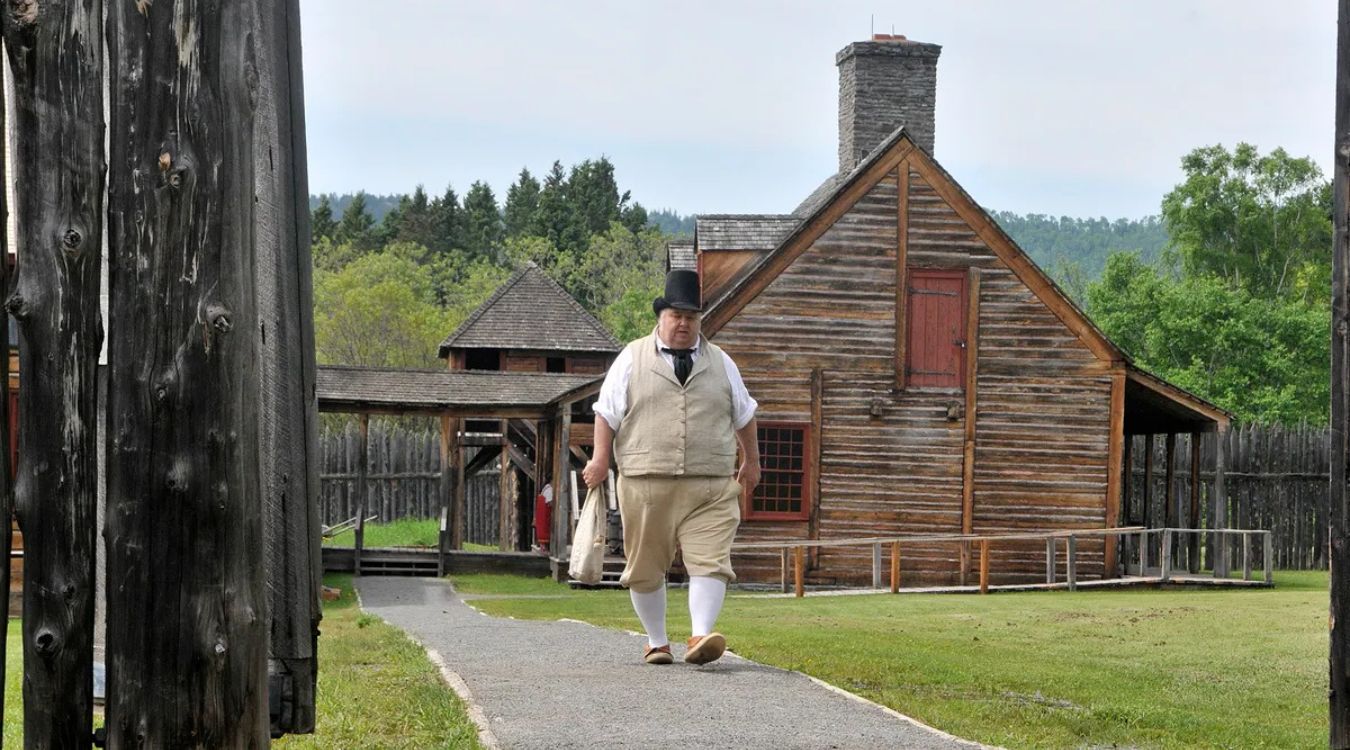
Have you ever wondered what life was like for fur traders in the 18th century? Grand Portage Fur Trading Post in Minnesota offers a glimpse into that rugged past. This historic site, located on the shores of Lake Superior, was a bustling hub for traders, Native Americans, and voyageurs. Here, you can explore reconstructed buildings, watch demonstrations, and even try your hand at traditional crafts. The Grand Portage Fur Trading Post isn't just a museum; it's a living history experience that brings the past to life. Whether you're a history buff or just looking for a unique day trip, this spot has something for everyone.
Discovering the Grand Portage Fur Trading Post Archives
Minnesota's Grand Portage Fur Trading Post is a treasure chest of history. Nestled on the shores of Lake Superior, this site offers a glimpse into the lives of fur traders, Native Americans, and early settlers. The archives here hold secrets waiting to be uncovered. Let's dive into some of the most fascinating aspects of this historic site.
The Historic Significance of Grand Portage
Grand Portage was a bustling hub during the fur trade era. It served as a meeting point for traders and Native Americans, facilitating the exchange of goods and culture. The archives reveal stories that paint a vivid picture of this vibrant past.
The Great Hall
- The Great Hall was the heart of the trading post. Here, traders and Native Americans negotiated deals, shared meals, and forged alliances. The archives contain detailed records of these interactions, offering a window into the social dynamics of the time.
Voyageur Records
- Voyageurs were the backbone of the fur trade, transporting goods across vast distances. The archives hold journals and logs that document their grueling journeys, providing insights into their daily lives and the challenges they faced.
Cultural Interactions at Grand Portage
The fur trading post was not just a place of commerce but also a melting pot of cultures. The archives shed light on the rich tapestry of interactions between different groups.
Ojibwe Partnerships
- The Ojibwe people played a crucial role in the fur trade. The archives include treaties, trade agreements, and personal accounts that highlight the deep connections between the Ojibwe and the traders.
Cultural Exchange Artifacts
- Items such as beaded moccasins, birchbark canoes, and woven blankets found in the archives illustrate the exchange of skills and traditions between Native Americans and European settlers.
The Daily Life of Fur Traders
Life at the trading post was a mix of hard work and camaraderie. The archives provide a detailed look at the daily routines and personal lives of those who lived and worked there.
Personal Diaries
- Diaries of fur traders offer a glimpse into their thoughts, hopes, and struggles. These personal writings reveal the human side of the fur trade, from homesickness to the joy of successful trades.
Supply Lists
- Detailed supply lists found in the archives show the variety of goods traded, from beaver pelts to European manufactured items. These lists help us understand the economic aspects of the fur trade.
The Role of Women in the Fur Trade
Women played significant roles at the trading post, often overlooked in mainstream history. The archives highlight their contributions and experiences.
Women Traders
- Some women were traders themselves, negotiating deals and managing trade routes. The archives include records of their transactions and correspondence, showcasing their business acumen.
Family Life
- The presence of women and children at the trading post created a sense of community. The archives contain letters and family records that provide a glimpse into their domestic lives and social activities.
The Decline of the Fur Trade
The fur trade eventually declined, but the archives at Grand Portage capture this transition period, documenting the changes and challenges faced by the community.
Economic Shifts
- Records of declining fur prices and competition from other trading posts illustrate the economic challenges that led to the decline of Grand Portage as a trading hub.
Adaptation and Resilience
- Despite the decline, the community adapted in various ways. The archives include accounts of how traders and Native Americans shifted to other forms of livelihood, showcasing their resilience and adaptability.
Discovering History at Grand Portage
Grand Portage Fur Trading Post offers a unique glimpse into the past. Visiting this historic site, you can explore the rich history of fur trading in Minnesota. The archives hold stories of traders, Native Americans, and the early economy. Walking through the reconstructed buildings, you feel transported back in time. The exhibits and artifacts provide a deeper understanding of the challenges and triumphs of those who lived and worked there.
Whether you're a history buff or just curious, Grand Portage is a must-see. The scenic beauty of the area adds to the experience, making it a perfect destination for a day trip or a weekend getaway. Don't miss the chance to learn about this fascinating chapter of American history. Plan your visit to Grand Portage Fur Trading Post and step into the past.