

Secrets Of Beaver Dam Ecosystems In Minnesota’s Boundary Waters
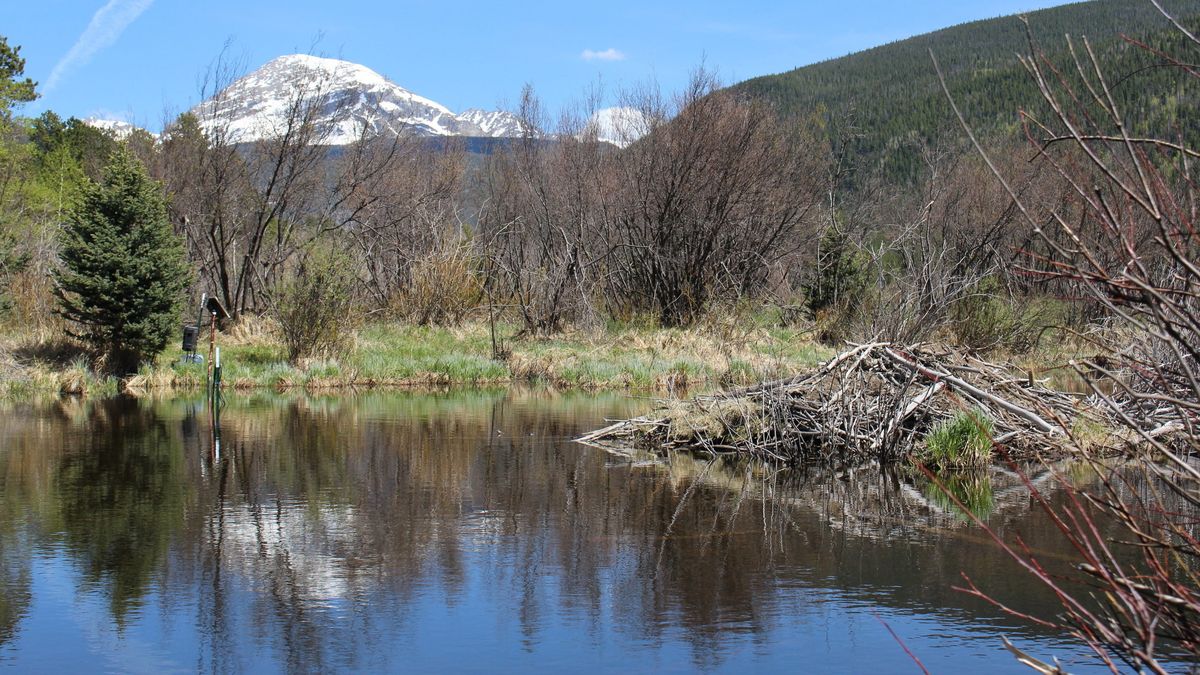
Have you ever wondered how beaver dam ecosystems work in Minnesota's Boundary Waters? These fascinating structures, built by nature's engineers, create thriving habitats for various wildlife. Beavers use branches, mud, and stones to construct their dams, which slow down water flow and form ponds. These ponds provide homes for fish, birds, and other animals. They also help filter water, reducing pollution and improving water quality. Visiting the Boundary Waters, you can see these incredible ecosystems in action. Whether you're canoeing, hiking, or just exploring, you'll gain a deeper appreciation for the role beavers play in maintaining a healthy environment.
Secrets of Beaver Dam Ecosystems in Minnesota's Boundary Waters
Minnesota's Boundary Waters Canoe Area Wilderness (BWCAW) is a pristine landscape filled with lakes, rivers, and forests. Among its many wonders, beaver dams stand out as fascinating natural structures. These dams not only shape the environment but also create unique ecosystems. Let's explore some of the secrets behind these beaver dam ecosystems.
How Beaver Dams Shape the Landscape
Beaver dams are more than just piles of sticks and mud. They transform the landscape in surprising ways, creating habitats for various species and influencing water flow.
Water Regulation
- Beaver dams slow down water flow, creating ponds and wetlands. These areas help control flooding and maintain water levels during dry periods.
Habitat Creation
- The ponds formed by beaver dams become homes for fish, amphibians, and insects. Birds and mammals also benefit from the new habitats.
Nutrient Cycling
- Decomposing plant material in beaver ponds enriches the water with nutrients, supporting a diverse range of aquatic plants and animals.
Wildlife Thriving in Beaver Dam Ecosystems
The ecosystems created by beaver dams are bustling with life. Various species find food, shelter, and breeding grounds in these unique environments.
Fish Populations
- Beaver ponds provide ideal conditions for fish like trout and bass. The slow-moving water and abundant food sources support healthy fish populations.
Amphibians and Reptiles
- Frogs, toads, and salamanders thrive in the moist, protected areas around beaver dams. Turtles also find nesting sites along the pond edges.
Birds
- Waterfowl, songbirds, and raptors are drawn to beaver ponds. These areas offer nesting sites, food, and protection from predators.
The Role of Beavers in Forest Health
Beavers play a crucial role in maintaining forest health. Their activities promote biodiversity and help forests recover from disturbances.
Tree Cutting
- Beavers cut down trees to build their dams and lodges. This activity opens up the forest canopy, allowing sunlight to reach the forest floor and encouraging new plant growth.
Wetland Formation
- The wetlands created by beaver dams support a variety of plant species. These wetlands act as natural filters, improving water quality by trapping sediments and pollutants.
Firebreaks
- Beaver ponds can act as natural firebreaks, slowing the spread of wildfires and protecting surrounding forests.
Human Interaction with Beaver Dam Ecosystems
Humans have a complex relationship with beaver dams. While these structures offer many ecological benefits, they can also pose challenges for land management.
Flood Control
- Beaver dams help mitigate flooding by slowing water flow. However, in some areas, they can cause localized flooding, affecting roads and property.
Water Quality Improvement
- The wetlands created by beaver dams filter out pollutants, improving water quality. This benefit is particularly valuable for communities relying on natural water sources.
Land Management Challenges
- Managing beaver populations and their dams can be challenging. In some cases, dams need to be removed or modified to prevent damage to infrastructure.
Conservation Efforts and Beavers
Conservationists recognize the importance of beavers in maintaining healthy ecosystems. Efforts are underway to protect beaver populations and their habitats.
Beaver Reintroduction Programs
- In areas where beaver populations have declined, reintroduction programs aim to restore these important ecosystem engineers.
Habitat Protection
- Protecting the natural habitats of beavers ensures they can continue to build dams and create thriving ecosystems.
Public Education
- Educating the public about the benefits of beaver dams helps foster appreciation and support for conservation efforts.
Minnesota's Boundary Waters offer a unique glimpse into the intricate world of beaver dam ecosystems. These natural structures play a vital role in shaping the landscape, supporting wildlife, and maintaining forest health. Understanding and protecting these ecosystems is essential for preserving the natural beauty and biodiversity of the region.
The Magic of Beaver Dams
Beaver dams in Minnesota's Boundary Waters create unique ecosystems. These structures help control water flow, reduce erosion, and create habitats for various species. The wetlands formed by beaver activity support diverse plant and animal life, making them crucial for biodiversity.
Exploring these areas offers a glimpse into nature's engineering marvels. The dams not only benefit wildlife but also improve water quality by filtering pollutants. Visiting the Boundary Waters provides an opportunity to witness these natural wonders firsthand.
Understanding the role of beavers in the ecosystem highlights the importance of conservation efforts. Protecting these habitats ensures that future generations can enjoy and learn from these incredible environments. So next time you venture into the Boundary Waters, take a moment to appreciate the hardworking beavers and their vital contributions to the natural world.
