Hidden Fur Trading Post Sites Along Minnesota’s Grand Portage Trail
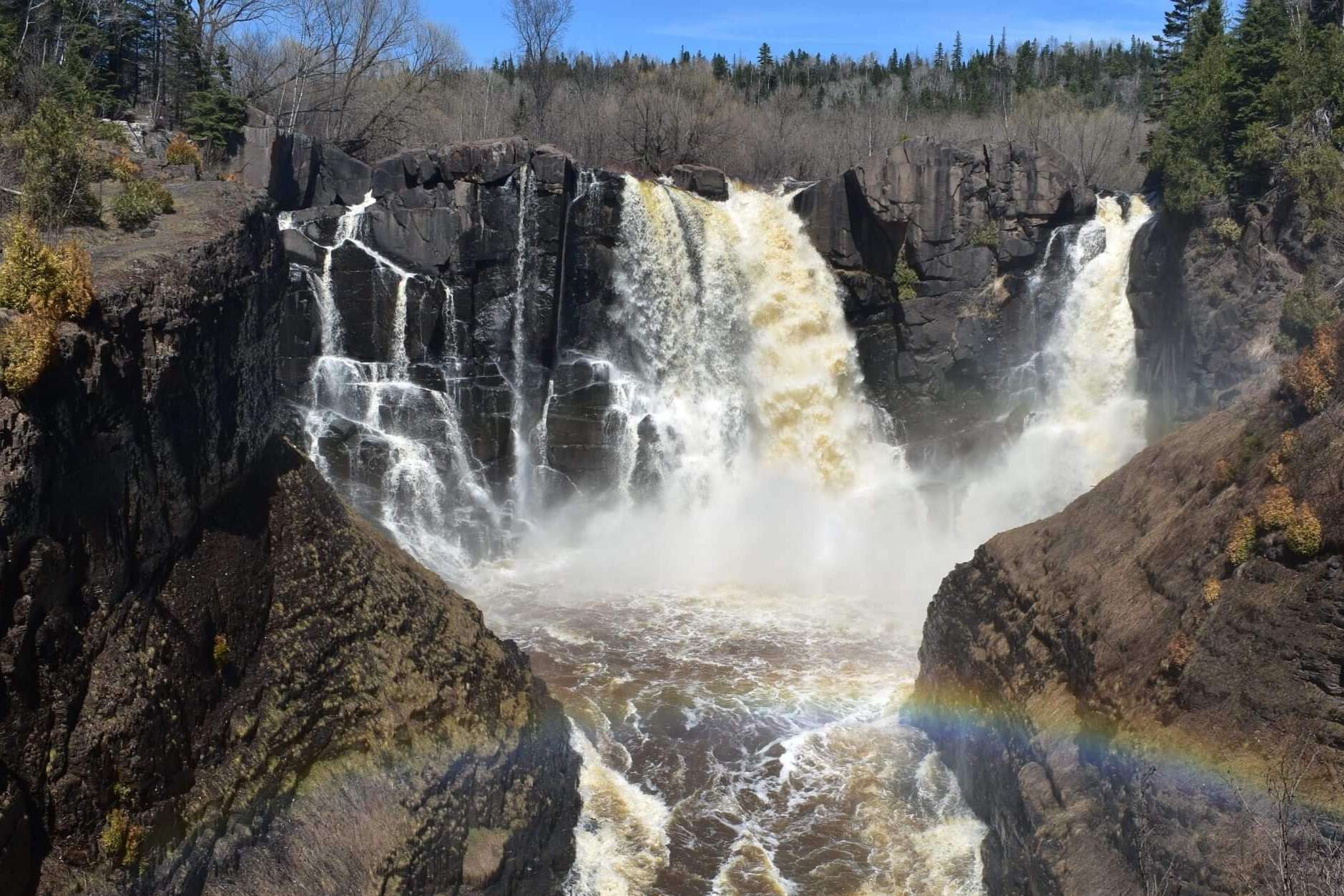
Have you ever wondered about the hidden fur trading post sites along Minnesota's Grand Portage Trail? This historic route, once bustling with traders and voyageurs, holds secrets waiting to be uncovered. Imagine walking in the footsteps of those who traded furs and goods centuries ago. Each bend in the trail tells a story of adventure, commerce, and survival. From the dense forests to the serene lakes, the Grand Portage Trail offers a glimpse into a bygone era. Whether you're a history buff or just love a good hike, exploring these sites can be a thrilling experience. Ready to step back in time?
Hidden Fur Trading Post Sites Along Minnesota's Grand Portage Trail
Minnesota's Grand Portage Trail is a historic path that once bustled with fur traders, voyageurs, and Indigenous peoples. This trail, stretching from Lake Superior to the Canadian border, holds secrets of the past. Let's uncover some hidden fur trading post sites along this legendary route.
1. Grand Portage National Monument
Grand Portage National Monument is a must-see. This site offers a glimpse into the life of fur traders and the Ojibwe people. The reconstructed Great Hall and stockade bring history to life. Visitors can walk the same paths as those who traded furs centuries ago.
2. Fort Charlotte
Fort Charlotte, located at the western end of the Grand Portage Trail, served as a vital link in the fur trade network. This remote outpost was where traders prepared for the arduous journey inland. Today, the site offers hiking trails and interpretive signs that tell its story.
3. Pigeon River
Pigeon River, marking the border between the U.S. and Canada, was a crucial waterway for fur traders. The river's rapids and waterfalls made it a challenging but essential route. Remnants of old trading posts can still be found along its banks, offering a peek into the past.
4. Mount Josephine
Mount Josephine provides a stunning view of the Grand Portage Trail and Lake Superior. This vantage point was used by traders to scout for incoming canoes. The hike to the summit is steep but rewarding, with historical markers along the way.
5. Grand Portage Island
Grand Portage Island, just off the coast of Lake Superior, was a strategic location for fur traders. The island's sheltered bays provided safe harbor for canoes laden with furs. Today, it's a serene spot for kayaking and exploring the remnants of old campsites.
6. Fort William Historical Park
Fort William Historical Park, though technically in Canada, played a significant role in the fur trade connected to the Grand Portage Trail. This living history site recreates the bustling fur trade post with costumed interpreters and reconstructed buildings. It's a short drive from the Minnesota border and well worth the visit.
7. Rove Lake
Rove Lake, nestled in the wilderness, was a lesser-known but important stop for fur traders. The lake's calm waters provided a respite from the challenging portages. Today, it's a peaceful spot for canoeing and fishing, with traces of old trading routes still visible.
8. Height of Land Portage
Height of Land Portage was a critical point where traders crossed the continental divide. This grueling portage tested the endurance of even the toughest voyageurs. Hikers can follow the same path today, experiencing the rugged terrain that fur traders once faced.
9. Partridge Falls
Partridge Falls, located on the Pigeon River, was a notable landmark for fur traders. The falls marked a significant point on their journey, signaling the approach to Grand Portage. The site remains a beautiful and historic spot for visitors to explore.
10. North West Company Depot
The North West Company Depot, situated near the Grand Portage Trail, was a bustling hub of fur trade activity. This depot stored supplies and furs, serving as a key logistical point. Today, the site offers interpretive displays and a glimpse into the fur trade era.
11. Devil Track River
Devil Track River, with its rugged terrain and swift currents, was a challenging but essential route for fur traders. The river's name reflects the difficulties faced by those who navigated it. Adventurous visitors can hike along its banks, discovering traces of old trading paths.
12. Swamp River
Swamp River, winding through dense forests, was a hidden gem for fur traders. The river's calm waters provided a quiet route away from the main trail. Canoeing along Swamp River today offers a serene experience, with occasional signs of its historical significance.
13. Little Rock Falls
Little Rock Falls, a picturesque waterfall along the Grand Portage Trail, was a welcome sight for weary traders. The falls provided a natural rest stop and a source of fresh water. Hikers can enjoy the scenic beauty and imagine the relief felt by those who traveled this route.
14. Rose Lake
Rose Lake, with its crystal-clear waters, was a favored stop for fur traders. The lake's beauty and abundant fish made it an ideal camping spot. Today, it's a popular destination for fishing, kayaking, and soaking in the natural splendor.
15. Gunflint Lake
Gunflint Lake, located near the Grand Portage Trail, was a key location for fur traders. The lake's expansive waters provided a crucial link in the trade network. Visitors can explore the lake by canoe or kayak, discovering the same routes used by traders centuries ago.
Discovering History on Minnesota's Grand Portage Trail
Exploring the Grand Portage Trail in Minnesota offers more than just scenic beauty. It provides a glimpse into the past, revealing hidden fur trading post sites that played a crucial role in North American history. Walking these paths, you can almost hear the whispers of traders and trappers who once navigated these routes. Each site tells a story of commerce, culture, and survival. Visiting these locations not only enriches your understanding of the fur trade era but also connects you to the land's rich heritage. Whether you're a history buff or just love a good hike, the Grand Portage Trail promises an unforgettable experience. So, lace up your boots, grab a map, and step back in time on this historic trail.