

Secrets Of Maine’s Penobscot River Logging Camps
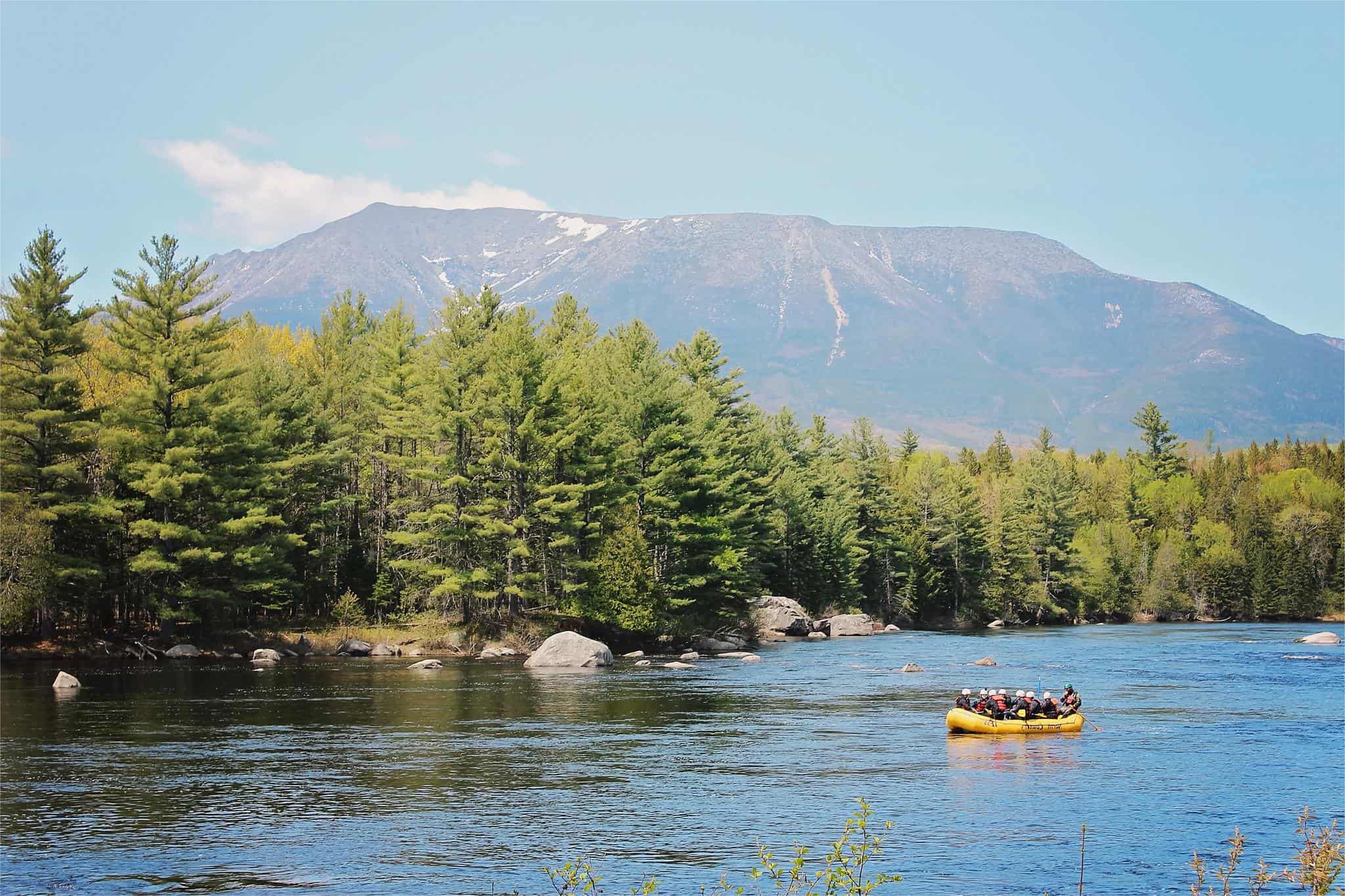
Have you ever wondered what life was like in Maine's historic Penobscot River logging camps? These camps were the heart of the logging industry in the 19th and early 20th centuries. Loggers, also known as "lumberjacks," lived and worked in these remote areas, cutting down massive trees and floating them down the river. The work was tough, the conditions harsh, but the camaraderie among the men was strong. Imagine waking up before dawn, enduring freezing temperatures, and working long hours with only basic tools. Yet, these camps played a crucial role in shaping Maine's economy and culture. Let's dive into the fascinating history and daily life of these rugged logging camps.
Discovering the Penobscot River Logging Camps
Maine's Penobscot River logging camps hold a treasure trove of history, culture, and natural beauty. These camps, once bustling with loggers, now offer a glimpse into a bygone era. Let's dive into some of the most fascinating spots along the Penobscot River.
1. Lumberman's Museum
The Lumberman's Museum in Patten, Maine, is a great starting point. This museum showcases the history of logging in the region with artifacts, photographs, and exhibits. Visitors can learn about the tools and techniques used by loggers and see how the industry shaped the local economy.
2. Great Northern Paper Company
Located in Millinocket, the Great Northern Paper Company was once a giant in the logging industry. The company's history is intertwined with the Penobscot River, and its legacy can still be seen in the town. A visit here offers insight into the industrial side of logging and its impact on the community.
3. Katahdin Iron Works
Katahdin Iron Works, situated near Brownville, is another historical gem. This site was crucial for producing iron used in logging tools and machinery. The remnants of the ironworks, including the blast furnace, provide a fascinating look into the industrial processes that supported the logging industry.
4. Penobscot River Trails
For those who love the outdoors, the Penobscot River Trails offer a perfect blend of nature and history. These trails, located near Grindstone, wind through forests once logged by the camps. Hikers can enjoy scenic views of the river while imagining the bustling activity that once took place here.
5. Chesuncook Village
Chesuncook Village, accessible only by boat or floatplane, is a remote settlement with deep logging roots. The village, located on the shores of Chesuncook Lake, was a hub for loggers working in the surrounding forests. Today, it offers a peaceful retreat with rustic cabins and a small museum dedicated to its logging history.
6. Bangor's Waterfront
Bangor, known as the "Queen City of the East," played a pivotal role in the logging industry. The city's waterfront was once lined with sawmills and shipping yards. A stroll along the Penobscot Riverwalk reveals historical markers and sculptures that tell the story of Bangor's logging past.
7. Logging Camp Museum
Located in the University of Maine's Forest and Logging Museum in Bradley, the Logging Camp Museum is a must-visit. This museum recreates a traditional logging camp, complete with bunkhouses, cook shacks, and blacksmith shops. Visitors can step back in time and experience the daily life of a logger.
8. Moosehead Lake
Moosehead Lake, the largest lake in Maine, was a major transportation route for logs. The lake's shores were dotted with logging camps, and the logs were floated down the lake to mills. Today, Moosehead Lake is a popular destination for boating, fishing, and exploring the logging history of the region.
9. Penobscot River Whitewater Rafting
For an adventurous twist, try whitewater rafting on the Penobscot River. This thrilling activity not only offers an adrenaline rush but also provides a unique perspective on the river that played such a crucial role in the logging industry. Rafters can see the rugged landscapes and imagine the challenges faced by loggers navigating the river.
10. Old Town Canoe Company
The Old Town Canoe Company, founded in 1898, has a rich history tied to the Penobscot River. The company's canoes were used by loggers and outdoorsmen alike. A visit to their factory and showroom in Old Town offers a glimpse into the craftsmanship and innovation that made these canoes famous.
The Legacy of Penobscot River Logging Camps
Penobscot River logging camps hold a special place in Maine's history. These camps were more than just workplaces; they were communities where loggers shared stories, meals, and hard work. The river itself was a lifeline, transporting logs and connecting people. Today, the legacy of these camps lives on in the memories of those who worked there and in the stories passed down through generations. Visiting the Penobscot River area offers a glimpse into this rugged, yet close-knit way of life. Whether you're a history buff or just curious about Maine's past, exploring these logging camps provides a unique perspective on the state's heritage. The spirit of the loggers and their enduring connection to the river continue to inspire and captivate.
