

The Hidden Effects Of Louisiana’s Salt Mines On The Environment
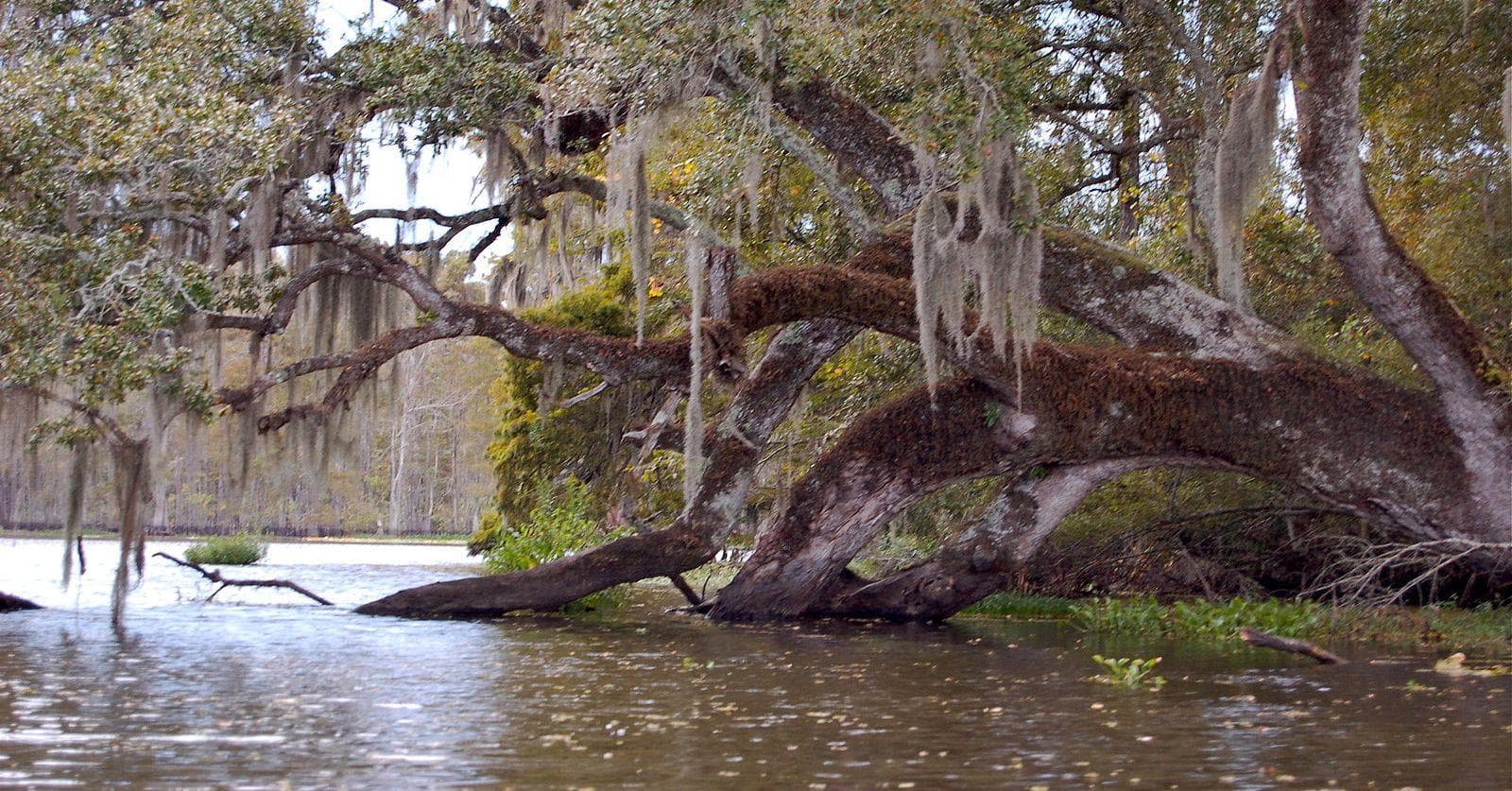
Have you ever thought about how Louisiana's salt mines impact the environment? These mines, known for producing vast amounts of salt, have a significant effect on the surrounding areas. From altering water quality to affecting local wildlife, the consequences are far-reaching. Salt mining can lead to increased salinity in nearby water bodies, which can harm aquatic life. Additionally, the process of extracting salt can cause land subsidence, leading to sinkholes and other geological issues. Understanding these effects is crucial for balancing economic benefits with environmental protection. Let's dive into the hidden impacts of these salt mines on Louisiana's unique ecosystem.
The Intricate Network of Louisiana's Salt Mines
Louisiana's salt mines have a long history, providing essential minerals for various industries. However, these mines also have significant environmental impacts. Let's explore the hidden effects of these salt mines on the environment.
Water Contamination
Salt mining can lead to water contamination, affecting both surface and groundwater. Here are some ways this happens:
Brine Discharge: When salt is extracted, brine (a mixture of water and salt) is often released into nearby water bodies. This can increase the salinity of rivers and lakes, harming aquatic life.
Chemical Leaching: Chemicals used in the mining process can seep into groundwater, contaminating drinking water sources.
Erosion and Sedimentation: Mining activities can cause soil erosion, leading to sedimentation in water bodies. This can disrupt ecosystems and reduce water quality.
Habitat Destruction
Salt mining operations can lead to the destruction of natural habitats, impacting local wildlife. Here are some examples:
Land Clearing: Large areas of land are often cleared for mining, destroying habitats for plants and animals.
Subsidence: The collapse of underground mines can cause the ground above to sink, damaging habitats and altering landscapes.
Noise and Light Pollution: Mining activities generate noise and light, which can disturb wildlife and disrupt natural behaviors.
Air Pollution
Mining operations can also contribute to air pollution, affecting both human health and the environment. Here are some ways this occurs:
Dust Emissions: The extraction and processing of salt can release dust particles into the air, which can cause respiratory problems for nearby residents.
Vehicle Emissions: Heavy machinery and transport vehicles used in mining operations emit pollutants, contributing to air pollution.
Chemical Vapors: Chemicals used in the mining process can release harmful vapors into the air, posing health risks to workers and nearby communities.
Soil Degradation
Salt mining can lead to soil degradation, reducing the land's productivity and affecting agriculture. Here are some impacts:
Soil Salinization: The accumulation of salt in the soil can make it less fertile, affecting plant growth and reducing crop yields.
Soil Compaction: Heavy machinery used in mining can compact the soil, reducing its ability to absorb water and support plant life.
Loss of Topsoil: Erosion caused by mining activities can lead to the loss of nutrient-rich topsoil, further degrading the land.
Impact on Local Communities
The environmental effects of salt mining can also have social and economic impacts on local communities. Here are some examples:
Health Risks: Water and air pollution from mining activities can pose health risks to nearby residents, leading to increased medical costs and reduced quality of life.
Economic Displacement: The destruction of natural habitats and agricultural land can force communities to relocate, disrupting their livelihoods and social networks.
Cultural Heritage: Mining activities can damage sites of cultural and historical significance, erasing important aspects of local heritage.
Mitigation and Regulation
Efforts to mitigate the environmental impacts of salt mining are crucial for protecting ecosystems and communities. Here are some strategies:
Environmental Regulations: Implementing and enforcing strict environmental regulations can help reduce the negative impacts of mining activities.
Rehabilitation Programs: Restoring mined areas through reforestation and soil rehabilitation can help recover ecosystems and improve land productivity.
Sustainable Practices: Adopting sustainable mining practices, such as reducing chemical use and minimizing land disturbance, can lessen environmental harm.
Conclusion
Louisiana's salt mines have far-reaching effects on the environment, from water contamination to habitat destruction. Understanding these impacts is essential for developing strategies to mitigate them and protect both ecosystems and communities.
The Lasting Impact of Louisiana's Salt Mines
Louisiana's salt mines have a significant effect on the environment. They contribute to land subsidence, which can lead to flooding and loss of habitats. The extraction process also disrupts local ecosystems, affecting both plant and animal life. Water contamination from mining operations poses a risk to nearby communities and wildlife. While salt mining is economically important, it's crucial to balance this with environmental protection. Sustainable practices and stricter regulations can help mitigate some of these negative impacts. Awareness and action are key to preserving Louisiana's unique landscapes for future generations. Understanding these hidden effects allows us to make informed decisions about resource management. By doing so, we can ensure that the benefits of salt mining do not come at too high a cost to the environment.
