

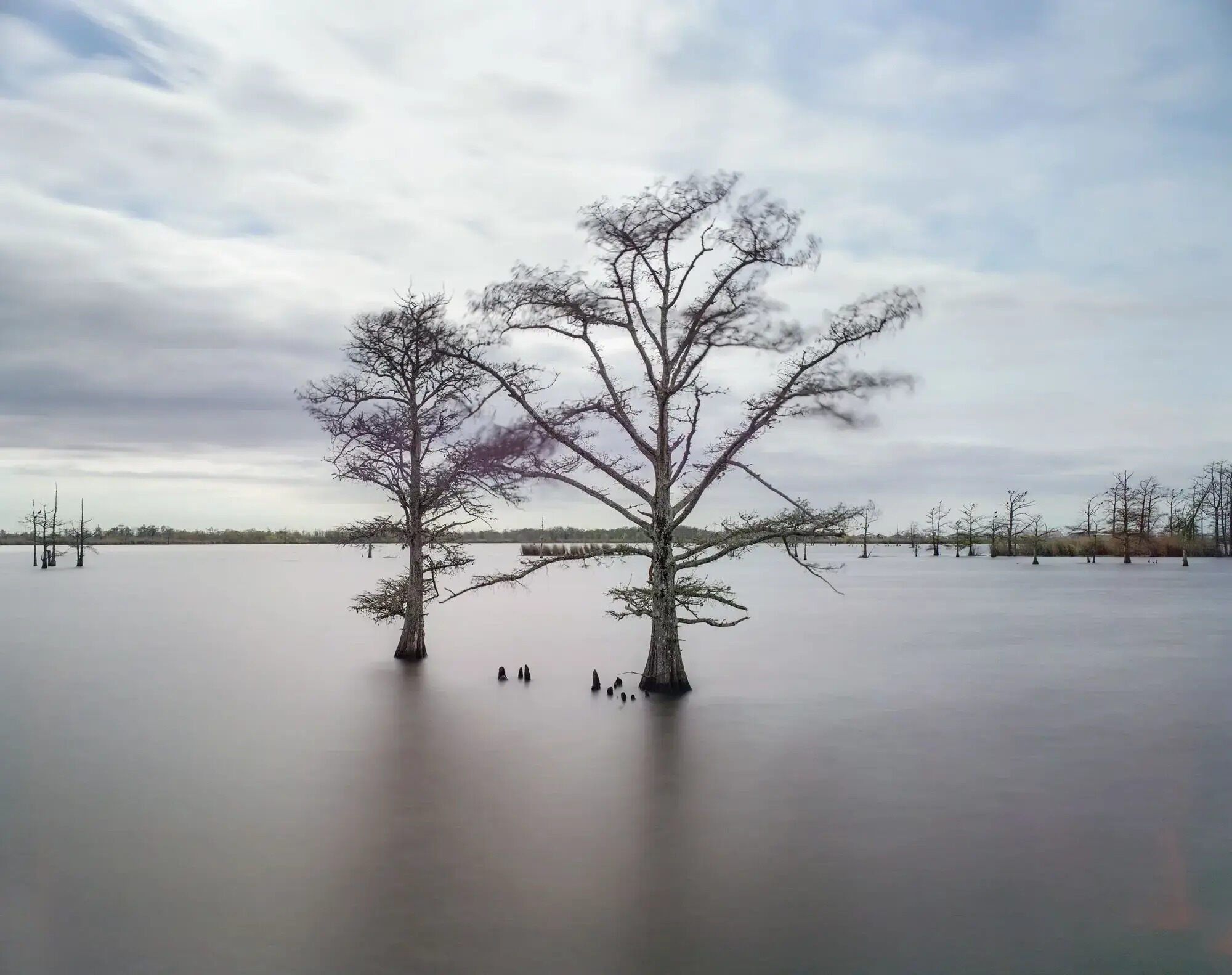

Lake Peigneur didn't vanish—it drained, then refilled with saltwater from the Delcambre Canal after a 1980 drilling accident. The lake, originally about 10 feet deep, is now deeper and saltier than before, but it never disappeared. Here’s what actually happened, and what you’ll find if you visit the site today.
The Lake That Drained Overnight
On November 20, 1980, a Texaco oil rig accidentally punctured the salt mine beneath Lake Peigneur, causing the lake to drain into the mine. The resulting whirlpool swallowed boats, trees, and parts of the surrounding land. The lake did not stay empty—it refilled with saltwater from the Delcambre Canal, which connects it to Vermilion Bay and the Gulf of Mexico. Today, Lake Peigneur is a saltwater lake, deeper than its original ~10-foot depth, and its story remains a fascinating piece of Louisiana history.
The Drilling Rig Disaster
The event was caused by a drilling accident. A Texaco oil rig punctured the Diamond Crystal Salt Company’s mine beneath the lake. Within hours, the lake drained into the mine, creating a massive whirlpool that pulled in the rig, barges, and a tugboat. The mine flooded completely, and the lake refilled with saltwater from the Delcambre Canal. No lives were lost, but the landscape was forever changed.
- Jefferson Island: Located near Lake Peigneur, Jefferson Island was heavily impacted by the disaster. The island’s botanical gardens and historic home, Rip Van Winkle Gardens, offer a peaceful retreat and a chance to learn more about the area’s history.
The Salt Mine Collapse
The collapse of the salt mine beneath Lake Peigneur was catastrophic. The mine, operated by the Diamond Crystal Salt Company, was flooded with water from the lake, causing extensive damage and leading to the mine’s closure. The mine itself isn’t open to the public, but the surrounding area offers a chance to reflect on the scale of the disaster.
- Diamond Crystal Salt Mine: Though no longer operational, the site of the salt mine collapse is a significant part of the story. The surrounding area allows visitors to see the altered landscape and consider the power of human error.
The Aftermath and Recovery
The aftermath of the Lake Peigneur disaster saw significant changes to the landscape and the lives of those who lived nearby. The lake, now saltwater, supports different wildlife and vegetation than it did before. The community has adapted, but the memory of the event remains.
-
Delcambre Canal: This canal connects Lake Peigneur to Vermilion Bay and the Gulf of Mexico. It played a crucial role in the lake’s transformation and continues to be an important waterway for the region.
-
Rip Van Winkle Gardens: Located on Jefferson Island, these gardens are a testament to the resilience of the area. Visitors can explore the beautiful grounds, learn about the history of the island, and see the impact of the Lake Peigneur disaster firsthand.
The Legacy of Lake Peigneur
The story of Lake Peigneur is a reminder of the delicate balance between nature and human activity. The lake’s transformation and the events of 1980 have left a lasting legacy on the region, shaping its history and future.
-
Avery Island: Not far from Lake Peigneur, Avery Island is famous for its Tabasco sauce factory and beautiful gardens. It serves as a reminder of the rich cultural and natural heritage of Louisiana, which continues to thrive despite past challenges.
-
Vermilion Bay: This bay, connected to Lake Peigneur via the Delcambre Canal, is a vital part of the local ecosystem. It offers opportunities for fishing, boating, and exploring the natural beauty of Louisiana’s coast.
-
Cypremort Point State Park: Located on Vermilion Bay, this state park provides a perfect spot for outdoor activities. Visitors can enjoy fishing, picnicking, and taking in the stunning views of the bay and surrounding wetlands.
The Mystery Lives On
While the lake is no longer a mystery—the cause was definitively human error—the story still captivates. The lake’s transformation from freshwater to saltwater, and its shift from ~10 feet deep to much deeper, is a rare example of sudden, human-caused geological change. Visitors can still see the effects today. The area is also close to other forgotten landmarks in Louisiana, and the nearby coast offers some of the best beaches in Louisiana for a post-disaster visit. For those who prefer to stay inland, the region is dotted with small town travel guides in Louisiana that tell more stories of resilience. And if you’re exploring the state’s deeper history, the historic plantations in Louisiana provide context for how the land has been shaped over centuries.
Next time you visit Louisiana, take a moment to ponder the secrets hidden beneath its landscape. The lake didn’t vanish—it changed, and its legend endures as a testament to what happens when human activity meets the earth’s hidden forces.
Related travel guides: Beaches In Louisiana, 11 Spectacular Beaches To Visit In Alexandria, Louisiana, and Mystery Of Bláhylur Blue Pool Crater.
