

Secrets Of Kentucky’s Cave Hydrology Research
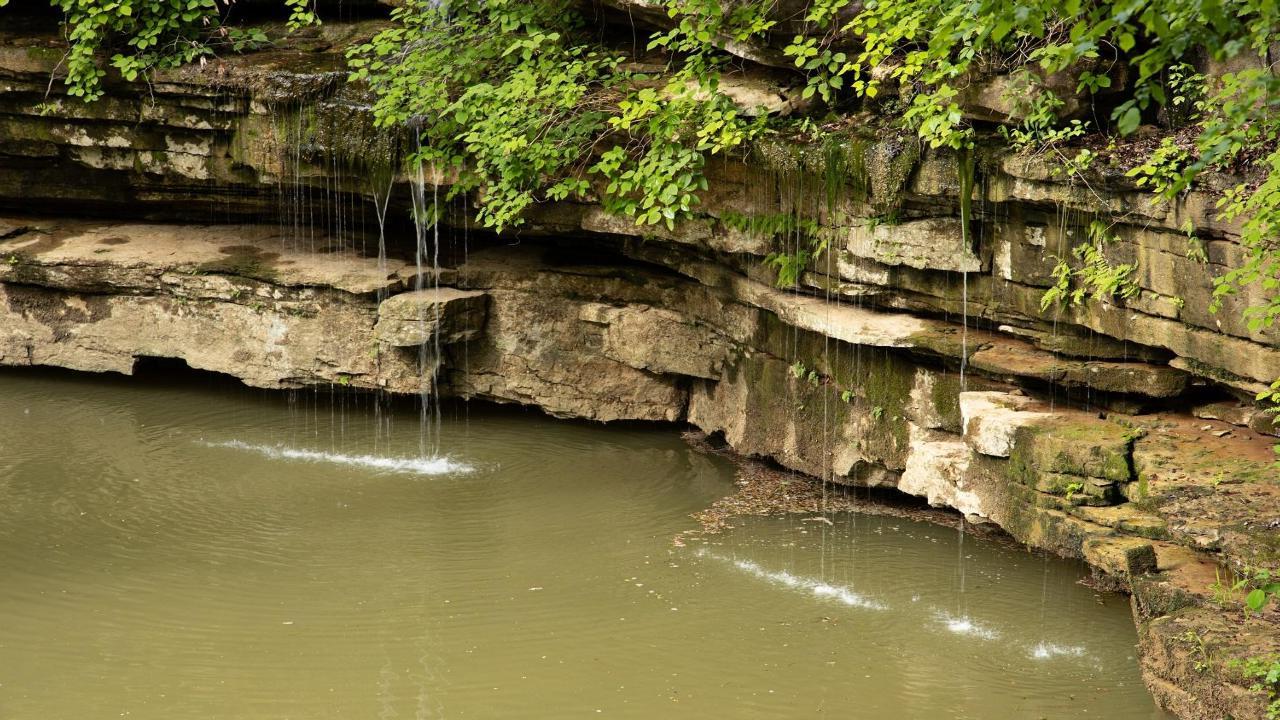
Have you ever wondered what lies beneath Kentucky's rolling hills? Kentucky's cave hydrology research reveals a hidden world of underground rivers, lakes, and intricate water systems. This research helps scientists understand how water moves through these vast networks. It also provides insights into the delicate balance of ecosystems within the caves. By studying these underground water systems, researchers can better protect the environment and ensure clean water for future generations. Kentucky's caves are not just dark, mysterious places; they are vital to understanding our planet's natural processes. Dive into the secrets of Kentucky's cave hydrology and discover the wonders below the surface.
Secrets of Kentucky's Cave Hydrology Research
Kentucky's caves hold more than just stunning rock formations. They are a treasure chest of hydrological secrets. Scientists have been delving into these underground wonders to understand water flow, quality, and the intricate systems that support life below the surface. Let's explore some key places where this fascinating research unfolds.
Mammoth Cave National Park
Mammoth Cave is the longest cave system in the world. Researchers here study how water moves through its vast network of passages. This helps them understand groundwater flow and its impact on the surface environment.
River Styx Spring: This spring is a major outlet for groundwater from Mammoth Cave. Scientists measure water quality and flow rates to monitor changes over time.
Echo River: An underground river that provides insights into subterranean water ecosystems. Researchers study its unique aquatic life and water chemistry.
Carter Caves State Resort Park
Carter Caves offers a different perspective on cave hydrology. Its smaller, more accessible caves are perfect for detailed studies of water movement and erosion.
Cascade Cave: Known for its beautiful waterfalls, this cave helps scientists understand how water shapes cave formations over time.
X Cave: With its narrow passages and streams, X Cave is ideal for studying how water carves out new pathways in the rock.
Hidden River Cave and American Cave Museum
Hidden River Cave is a living laboratory for hydrologists. The American Cave Museum provides context and education about the ongoing research.
Main Stream Passage: This part of the cave is crucial for studying how pollutants travel through groundwater systems.
Bat Cave: Researchers here focus on the relationship between cave-dwelling bats and water quality, as bats can be indicators of environmental health.
Lost River Cave
Lost River Cave offers a unique opportunity to study how surface water interacts with underground systems. Its riverboat tours provide a firsthand look at these interactions.
Blue Hole: A deep pool where surface water enters the cave system. Scientists study how this water mixes with groundwater.
River Walk: This area allows researchers to observe how water levels fluctuate with rainfall and drought, providing data on climate change impacts.
Sloans Valley Cave System
Sloans Valley is one of Kentucky's lesser-known cave systems but offers valuable insights into karst hydrology.
Sinking Creek: A stream that disappears into the cave, helping scientists understand how surface water recharges underground aquifers.
Big Room: This large chamber collects water from multiple sources, making it a key site for studying water flow patterns and sediment transport.
Kentucky's Caves: A Hidden World Worth Exploring
Kentucky's cave hydrology research reveals a fascinating underground world. These studies help us understand water flow, cave formations, and unique ecosystems. Exploring these caves offers a glimpse into natural wonders shaped over millions of years.
Visiting places like Mammoth Cave National Park provides an educational and awe-inspiring experience. Guided tours and exhibits make learning about cave hydrology accessible and engaging.
Researchers continue to uncover new information, contributing to conservation efforts and scientific knowledge. Protecting these delicate environments ensures future generations can appreciate their beauty and significance.
Kentucky's caves are more than just tourist attractions. They are vital to understanding our planet's geological and ecological history. Whether you're a scientist, student, or curious traveler, these caves offer a unique adventure. Dive into the depths of Kentucky's caves and discover a hidden world waiting to be explored.
